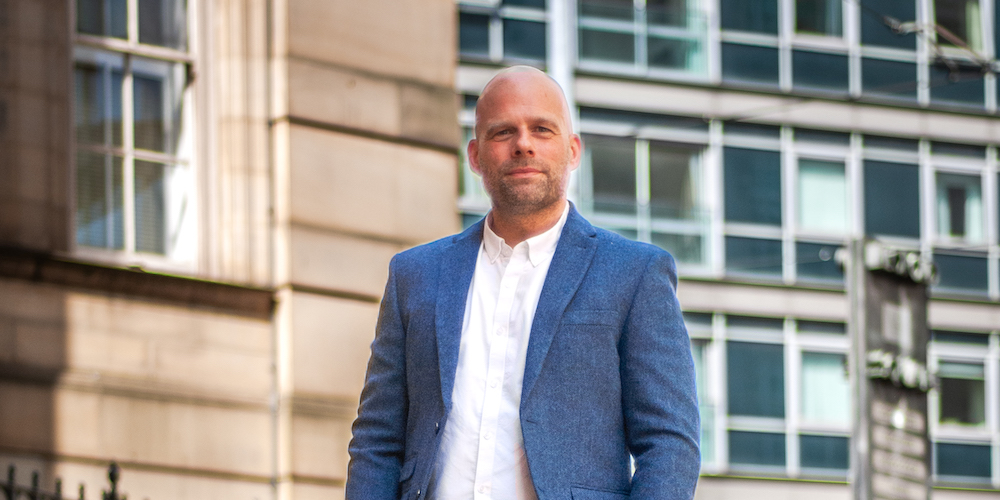
Periodically, we hear stories from the people behind the law degrees at 145-year-old, South Yorkshire-based law firm, Banner Jones. Most recently, we spoke to Head of Dispute Resolution, Rob Stubbs...
Tell us about your role at Banner Jones. What does dispute resolution cover?
We deal with a broad range of litigation in our team. We try to ensure that each team member specialises in particular areas, although you’ve got to be able to turn your hand to lots of different types of case, really. We’ve got two team members who specialise in contentious trusts and probate matters, which has been quite a growth area. I remember dealing with my first contentious probate case shortly after I qualified as a solicitor, when no one else in our firm was specialising in that area, and it’s gone from strength to strength. We have a couple of other team members who focus on property disputes. I tend to deal with commercial property disputes, company commercial disputes – shareholder disputes, things like that – as well as construction disputes.
Is the aim always to settle things before court?
That’s always the aim, as court proceedings can be expensive and there are always risks involved. We try to resolve any disputes as quickly and cost effectively as we possibly can, within the parameters of what the client is seeking to achieve. It’s about meeting the client’s particular goal – sometimes you can’t achieve that by settlement, and you need to plan your tactics to try to get to the right outcome. I’d say that in most of the cases I deal with, we’re successful in achieving settlement without reaching trial. Those that go to trial are in the minority. But next week, for example, I have a three-day trial in the High Court in Leeds. That particular case has been ongoing for over three years and settlement wasn’t possible.
Do you enjoy that side of the job – going to trial?
It’s certainly interesting to see a case run to trial to see if the judge agrees with your reading of it, but there are risks in all cases and it can go the wrong way on the day due to a variety of factors. You can manage those risks by exploring settlement through correspondence or mediation – where the parties get together at a venue on a particular day and try to agree terms with the help of an independent mediator.
So… do you actually enjoy an argument?
Not in my personal life, no! The complete opposite. I think the key is keeping your cool and thinking before you act. That definitely helps both in and outside of work.
Are there any standout cases you’re particularly proud of?
Sometimes it’s the interesting nature of a case that stands out, but more often it’s achieving a result that means a lot to a client that is memorable. One case that stands out was a Will dispute over a fairly high-value estate. It involved property that was partly in the UK and partly in France. We successfully negotiated a settlement of over £1 million for the clients, which allowed them to retire and made a huge difference to their lives. It was great to see what a positive impact that result had. I’ve acted for a number of construction companies in disputes over substantial projects and have enjoyed the fast pace and technical nature of the construction adjudication process. I’ve achieved some good results for clients, which is very satisfying.
How did you first get into law?
I’m from Dronfield, just up the road, so I’ve not travelled far to be here. I wasn’t sure what I wanted to do after school. I trained as a joiner for a couple of years before I decided to go back to college to do my A-levels. Then I worked for a debt recovery firm in their legal department while I figured out what to do next. I thought, well, I’ll carry on studying until I decide. I did A-level Law in the evening and did well in it, so I thought maybe that was a sign. I went on to study at Sheffield Hallam and got my training contract at Banner Jones. I’ve been here since day one of my career.

That’s quite a career switch – do you miss the joinery work?
I think I probably just realised it wasn’t for me. But yeah, there have been lots of times since when I’ve thought about how that would have played out. I like being active, so sitting at a desk isn’t always a natural fit – maybe a job that’s less desk-based would be attractive – but overall, I think law has been the right choice for me.
Was it hard juggling work and study?
I was a little bit older when I went to university, which was a bit of a blessing because it allowed me to focus a bit more. Having done full-time work, you apply that same work ethic to studying. I think it helped.
Were you always academic?
Not at all. I really struggled to focus at school and was distracted by everything except studying at the time. But at university, I found that focus and put in the hard work. It’s nothing more than that. I managed to achieve a result that made my parents proud, which meant a lot.
What’s life like outside of work?
I have two young children, so I enjoy spending time with them and getting outdoors as much as possible. We’re not far from the Peak District, so we get out whenever we can. I train at a Thai boxing gym – that’s been a bit of a constant from my teens through to now. It’s a really positive place and a good release from the stress of work. I try to get there a few times a week, work permitting.
How did you get into Thai boxing?
It started just after I’d left school – a friend asked if I fancied coming along to a session in Attercliffe. He gave it up after a year, but I really enjoyed it, so I carried on and I’ve stuck with it ever since. When you’ve got a desk-based job that can be pretty pressured, having that regular outlet really helps keep things in balance.
What’s kept you at Banner Jones all these years?
I’d say the people and the ability to progress. We’ve got a lot of long-standing staff. The two trainees taken on after me are still here and we all moved on to being directors and have input into running the business, so there’s always been a path to progression. I think we’re pretty good at retaining staff. I’ve got a good team working with me, and a good wider team throughout the business – it’s a nice place to work.