
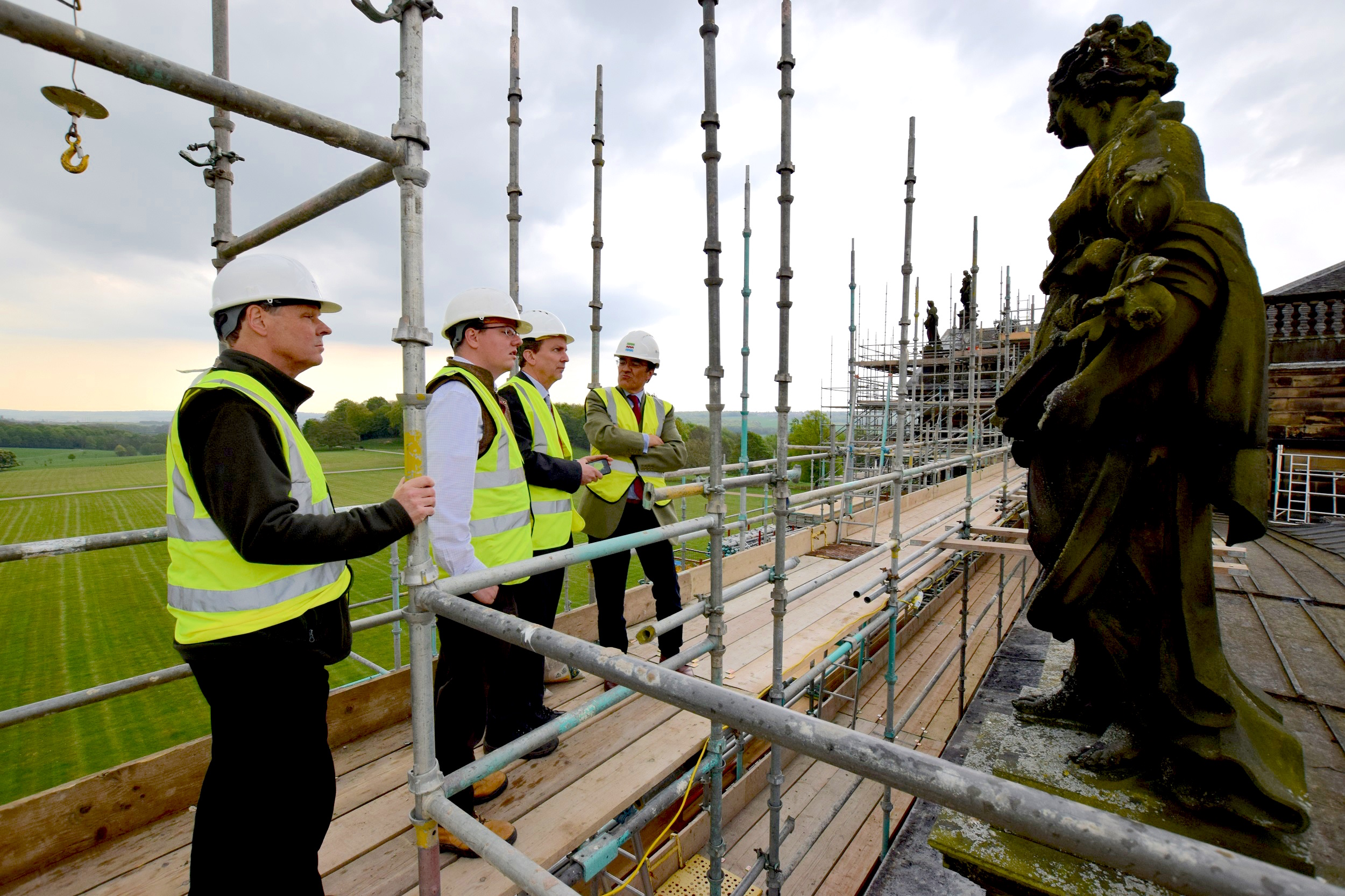
Ask a commercial property owner what their roof is worth, and most will give you a rough replacement cost. Ask their insurance company the same question, and you'll get a very different answer involving condition scores, materials, age, and risk exposure.
The roof on a commercial building isn't just a weatherproofing system. It's one of the most significant variables in how a property is valued, priced for insurance, and maintained as a long-term asset.
The Numbers Behind the Risk
Roof-related costs in the United States have reached levels that are impossible for property owners to ignore. According to a report released in 2025, U.S. roofing repair and replacement costs totaled nearly $30 billion in 2024, an increase of nearly 30% since 2022. Roofs with moderate to poor condition issues carry 60% higher insurance loss costs than those in good or excellent condition.
For commercial property owners in Missouri and the broader Midwest, these figures are especially relevant. Kansas and Missouri are among the most active hail markets in the country, and the financial exposure from a single severe storm event can be significant when a roof is already compromised.
What the Roof Does to Property Value
A commercial roof in poor condition doesn't just create maintenance costs. It actively suppresses what a property can sell or lease for. Prospective buyers and lenders routinely commission property condition reports before completing a transaction. If a roof is nearing end of life, showing signs of wear, or carrying deferred maintenance, that assessment results in price adjustments, deal contingencies, or financing complications.
Conversely, a recently replaced or well-maintained roof on a commercial building signals something positive to the market. It reduces the prospective buyer's risk, simplifies lender underwriting, and can meaningfully shorten time on market.
Metal roofing systems in particular are known for long service lives that support strong property valuations over decades.
How Roofing Affects Insurance Premiums and Coverage
Insurance carriers are paying close attention to commercial roof condition in ways they weren't five years ago. Underwriting standards have tightened across the industry, particularly for properties in storm-exposed regions.
What carriers are now evaluating more closely includes:
- The age of the existing roof, with policies often restricted or non-renewed for roofs beyond a certain age threshold
- The materials used, with impact-resistant and metal systems attracting better premium treatment in hail-prone areas
- The condition of the roof as assessed through aerial imagery and inspection reports
- Whether the roof meets current code standards for the local area
A roof that fails to meet carrier standards can result in coverage restrictions, higher deductibles, or outright denial of coverage for storm damage. In some markets, certain insurers have exited entirely, leaving property owners with fewer and more expensive options.
Choosing the Right Roofing System for Long-Term Value
Not all commercial roofing systems perform equally in terms of lifespan, maintenance cost, or insurance treatment. Understanding the differences is important when making a capital investment in a commercial building.
Understanding the full range of commercial roofing types and how they compare on lifespan, cost, and performance characteristics helps property owners make decisions that protect both their asset and their coverage position.
As an approved Butler Builder, MAR Building Solutions works with one of the most trusted systems in commercial and industrial metal construction. Their expertise in metal roofing helps property owners protect their facilities, improve long-term performance, and support the overall value and insurability of their buildings.
Metal Roofing and the Long-Term Ownership Equation
For commercial property owners in the Kansas City metro and surrounding Missouri region, metal roofing deserves serious consideration. Butler's MR-24 standing seam roof system, for example, has documented applications extending beyond 50 years of service with minimal maintenance, which is nearly double the lifespan of conventional commercial roof systems.
Over the ownership lifetime of a building, that longevity changes the financial calculation significantly. A roof that lasts 50 years versus one that needs replacement every 20 years represents real cost avoidance, fewer disruptions to operations, and a stronger asset at disposition.
Metal systems also tend to fare better in severe weather events, which directly affects the insurance claim history of a property. A building with fewer major claims over time is a better insurance risk, and that often translates into better coverage terms.
Regular Maintenance as a Value Preservation Tool
Even the best commercial roofing system requires periodic inspection and maintenance. Most commercial roofing failures are not the result of a single catastrophic event but of small issues, minor leaks, flashing separation, debris accumulation around drains, that go unaddressed until they become expensive.
Annual inspections, gutter and drain maintenance, and prompt attention to surface damage are the most cost-effective things a commercial property owner can do to preserve roof performance and avoid insurance complications.
Documented maintenance history also matters to insurers during underwriting and claims review. A building with regular inspection records is easier to insure and easier to underwrite than one with no maintenance documentation.
Conclusion
The roof on a commercial building affects its value, its insurability, and its long-term ownership cost in ways that compound over time. In a region like Missouri where hail and storm exposure is significant, the choice of roofing material and system is a financial decision as much as a construction one.
Getting that decision right, and then maintaining the asset properly, is what separates properties that hold their value from those that erode it.