As we enter autumn and the run-up to Christmas, we’re still very much in a time of uncertainty.
Having done two laps of the COVID-19 track for the summer months, I think we know what we can expect when the clocks go forward in 2022. But what about the long dark days ahead?
This time last year there was an air of caution, but also much optimism after a relatively quiet summer. Life was far from normal – but compared to how it had been just a few months before, things were looking good.
Of course, as we now remember, universities returning led to spikes in infections in those towns and cities and eventually we had another lockdown month in November before a changing of the rules over Christmas, which was followed by the difficult start to 2021.
The huge success of the vaccination programme has changed the game with how we view the virus now. But until we get through the winter period and see how the NHS copes – hopefully plans have been put in place – then the true picture won’t be clear.

For businesses, it’s again a tricky time.
Many offices have returned to normal (if I can use that word) working practices with people comfortable again in an environment surrounded by their colleagues.
Particularly in the private sector, pragmatic decisions have been made about where people should work from. There is still flexibility but the rules are clearer – whether that’s everyone back in, or moving to full time remote working or a hybrid model.
Any return to working from home for a long period of time during the winter wouldn’t be a popular decision, in my opinion, for those tasked with managing teams or running businesses.
But we’ll have to see what happens and whether the vaccines do their job of limiting the effects of the virus.
On a separate, but related, note I’ve been wondering about how FOMO (fear of missing out) is impacting on our new habits and whether old routines will ever make a comeback.
It used to be called keeping up with the Jones’s – but is now more likely to be copying what friends and influencers are doing on Instagram which informs our choices.
The thing is, while holidays in Cornwall or Northumberland are all over our feeds – quite rightly because foreign travel is so difficult – there are activities that are open for business which barely get a look-in.
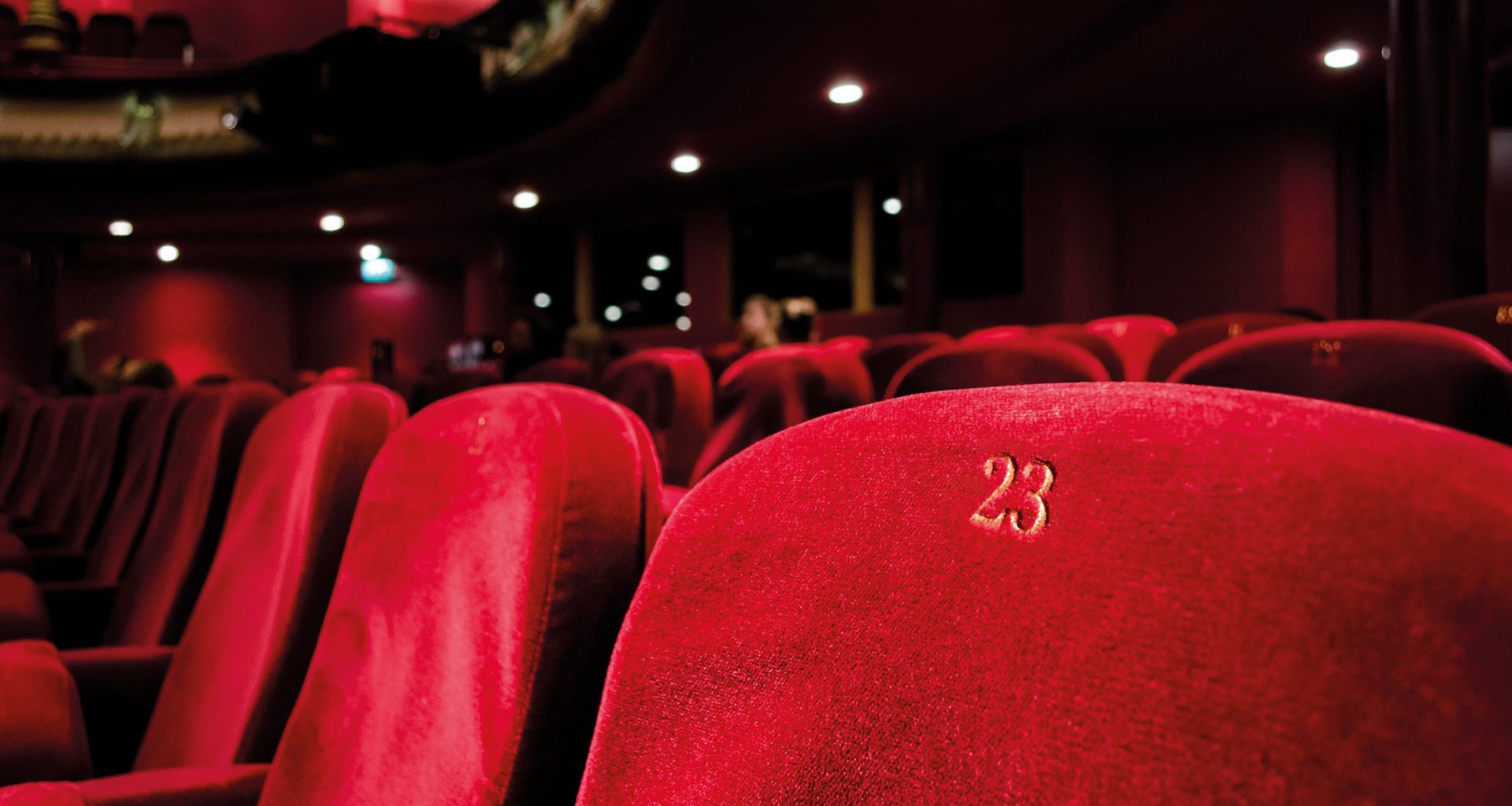
Cinemas, for instance, are open, but I can’t remember speaking to anyone who has been since they were allowed to. Whereas football matches this season have been very well attended.
Without that peer pressure nudge to conform, will other traditional staples of our free time go the same way as many high street stores and close for good?