
The debate around ‘workplace fitness’ has been on the rise in recent years, with the benefits of exercise on both your physical and mental health difficult to deny.
Studies from numerous sources, including Leeds Metropolitan University, have shown that regular exercise improves your brain function, mood and concentration, as exercise releases ‘happy hormones’ like dopamine and serotonin.
It also promotes better joint health and posture, a healthier heart and makes your body stronger and more resilient.
With many of our jobs desk-based, and more and more people working from home, the need to stay fit and healthy has never been so apparent.
Those who stick to a fitness routine and prioritise their health tend to get ill less, feel more productive and have more energy – all things that can have a positive impact on the workplace.

This is the reason some businesses are beginning to invest in fitness programmes and benefits packages for their employees, whether this be a paid gym membership, on-site exercise facilities or offering flexible working so people can fit in more movement around their work.
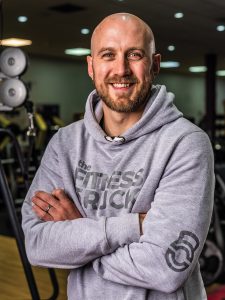
One company that can help with this is The Fitness Truck, which offers mobile personal training, workplace fitness and small-group exercise sessions in Sheffield and South Yorkshire
We spoke to Pete Swatkins, owner of The Fitness Truck, about the benefits of exercise in the workplace and how a healthier workforce leads to a happier, more productive one...
Why is exercise and physical health so important?
Not only is exercise a key tool to managing your physical wellbeing – weight management, cardiovascular fitness, muscle mass –it is also a high contributing factor to your mental wellbeing too.
Exercise releases endorphins, which relieve stress, pain and improve wellbeing, as well as dopamine the ‘feel good hormone’ and serotonin to boost your mood. This ensures you always feel better afterwards, even if it was hard work!
What impact can good physical health have on our performance at work?
Good physical health will support brain function and everyday activities. If that means concentrating for prolonged periods of time or if you have a physically active job, then a good level of physical health will only support this. We have testimonials from two leading NHS surgeons that Fitness Truck sessions have contributed to them being able to stand and operate in awkward positions for longer.
Are there any particular exercises or routines that are really good for mental performance?
Any exercise is good for mental health/performance, it’s purely subjective. Whether that’s a walk in the Peak District with the dog, a gentle 5km run after work, a weights session or an intense Crossfit type session, it’s up to the individual and their personal preferences as to what will support their mental health. What works for one won’t always work for another.
How can people make their physical health more of a priority?
Understanding and remembering how you feel should be a reminder of how positive it can be. Reminding yourself of how you felt ‘when you started’ or ‘when you carried a little more weight’ should serve as motivation. Again, you have to want to do the exercise and see it as a non-negotiable to being the best version of yourself, in my opinion. For me, being able to run and play with my two young daughters serves as my motivation and being in the personal training industry, having a good level of fitness is vital.
What effects could employers see from offering fitness perks as part of their benefits packages?
Our corporate sessions focus on four main areas for employers when it comes to their staff benefits. Reduced turnover of staff – saving recruitment fees – as well as improved workplace culture, greater attention spans and productivity, which all lead to reduced absences. There will be many more benefits not listed too.
What are the most common reasons people cite for not exercising enough or not being on top of their physical health?
Time. Simply put. We all live busy lives and have our own challenges, whether that be at work, personal, social etc. The first thing to generally go from the diary if we’re busy is exercise, unless it’s a priority for you. We also see knowledge or lack of understanding on what to do, as well as confidence, as key reasons people struggle to work out.
How does The Fitness Truck help to combat these issues?
As ‘the gym that comes to you’, we save you time travelling to the gym by simply rocking up at your home or place of work, you come in your gym gear, we’ll work out for 45 minutes to an hour and then you can truck off home or carry on with your day, without having to feel guilty for not attending the gym or going out for that run.
We ensure it’s personal, we’ll safely correct any movement patterns as well as progress or regress any sessions so that even if you are new to fitness, everyone will get something out of our sessions.
PETE’S TOP TIPS FOR BEING MORE MOTIVATED
1) Schedule three one-hour slots into your weekly diary like you would a client meeting or work commitment for exercise - make it a non-negotiable every week
2) Pack your bag the night before so that you don’t forget in the morning
3) Find a buddy who’s going to motivate you even if you don’t want to work out
4) Try a number of different classes, gyms or types of training to see which you enjoy the most
5) Get The Fitness Truck on board to help!
Nutrition
Taking regular exercise is not the only thing that’s important for staying healthy and well at work – making sure you’re eating the right things is equally as vital.
While many of us struggle to make it through the morning without our caffeine fix and end up grabbing convenience food for lunch due to our busy schedules, our bodies are crying out for something much healthier and more nutritious.
Eating well, and drinking plenty of water, will also contribute to good brain function, less fatigue and better moods.
Nutritionist Sarah-Jane Johnston, of evolution34, filled us in on the true value of watching what you eat.
Why is proper nutrition and healthy eating so important?
There are seven essential nutrients that we all need to obtain the energy our bodies require to function optimally. They are water, carbohydrate, protein, fat, fibre, vitamins and minerals
What effect does good diet have on your ability to perform at work?
Having stable blood sugar levels is important, so we are not trying to work and feeling low on sugar. Not skipping breakfast is essential – start the day with a breakfast including a carbohydrate and protein – don’t just rely on coffee…as I so often hear!
Carbohydrates provide a steady and readily available supply of energy for the brain and the central nervous system. The brain is what’s known as an obligate user of glucose, which means it must be supplied with glucose constantly to function properly.
Are there any particular foods you would recommend for peak professional performance? If so, which ones?
No particular foods, just make sure you’re eating a colourful dietary intake to ensure you are getting all the nutrients you need. Making sure your meals are not all beige is also important. To add colour, have the vegetable draw in the fridge stocked with colourful items like broccoli, peppers, corn, tomatoes, green beans… the list could go on!
Fat is often frowned upon, but we need a good mix of fats. Vitamins A, D, E and K are only soluble in fat and can only be transported in body fat. Not all fats are bad – Omega-3 found in nuts, and oily fish is great for brain health, including mood. These will help you to be at your peak performance professionally.
What are some of the biggest barriers to eating well?
No time, no motivation, eating healthy is too much effort, I don’t know where to start, I know what I should be doing! Dieting doesn’t work for me…I hear all these barriers often. We are all on a dietary intake. Keep it simple and have everything in moderation – a cliché but true.
What can businesses do to help their employees eat better? What impact will that have on their staff?
Having a professional like myself in the workplace running workshops and talks, helping educate their staff. Offering educational and fun tips on how to make the staff healthier will lead to less staff absence, the continual chat about dieting and who heard what in the media.
Five top tips for fitting healthy eating into a busy schedule:
1) Make time for a seated breakfast where you are not sat in front of your laptop or PC, 20 minutes is all it takes
2) Include carbohydrates and protein in your breakfast
3) Have nuts and fruit available as a snack
4) Don’t eat your lunch stressed – walk away from the laptop/PC
5) Take a 10-minute walk after your lunch to fire up your metabolism.