For this month’s cover feature, Joseph Food spoke to Sheffield creatives about the opportunities, anxieties and human cost behind Chat GPT’s latest image generation update.
When OpenAI unveiled ChatGPT Images 2.0 on 21 April, the reaction across social media was divided. For some, it represented another exciting leap forward in AI capability – a tool capable of producing better visuals and marketing assets with improved layouts, text rendering and photorealistic imagery done in seconds. For others, particularly those whose livelihoods depend on creating those very assets, it felt like a warning shot at best and a slap in the face for hard-earned creative talent at worst.
As such, this latest iteration of AI image generation has heightened an already uneasy conversation around creativity, ownership and value. Graphic designers, illustrators, photographers and videographers have spent years refining their craft, building relationships and investing in equipment and expertise. Suddenly, it appeared that businesses could generate passable artworks, visuals and graphics with a few simple prompts and a monthly subscription fee.
For smaller companies and owners facing tight budgets, the appeal is obvious. AI tools promise faster turnaround times, lower production costs and the ability to generate large volumes of content with little resource. In an increasingly competitive marketplace, particularly for those without dedicated creative teams, the temptation to lean more heavily on automation is understandable.
But at what cost? While AI can now generate images to a higher standard, it cannot replace lived experience, instinct or human connection. A bot cannot physically sit with a client, build trust and fully understand the nuance behind a brand’s story, nor can it provide the kind of creative judgement that comes from years spent working in an industry and honing a craft. There is also the very salient point that, while the capability has clearly improved, there is still something distinctly uncanny and homogenised about what is being pumped out en masse by the latest update.
For many, the fear is not necessarily that AI will replace creatives entirely – though there is real concern that work already has been, and will continue to be, lost to the lower effort option of punching in a prompt – but that it risks devaluing the work behind the final product. And that is before you scratch the surface of the ethical and environmental concerns, which are whole other discussions in themselves.
As businesses continue to explore what tools like ChatGPT Images 2.0 can offer, the debate is unlikely to disappear any time soon. We spoke to a selection of individuals from Sheffield’s creative community to hear where they stand on the issue and get their perspective on the key challenge underpinning it all: understanding where automation adds value and where the human touch still matters most.
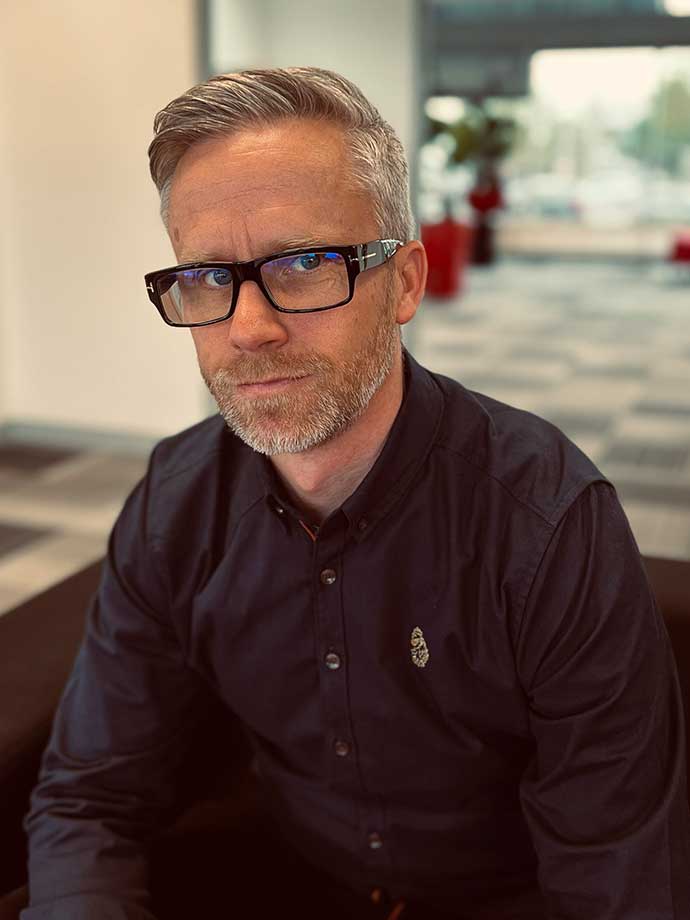
CARL FOSTER
DIRECTOR, FOSTER & SCOTT
Historically, AI-generated imagery always had obvious flaws – weird text, incorrect logos, strange proportions – things that immediately gave it away. The detail is much more believable and polished now, and I can understand why a lot of creatives are starting to feel uneasy about where this is heading.
At the same time, I still think there are limitations once you begin properly dissecting what it produces. We were having a bit of fun with it recently and generated an image of Cristiano Ronaldo signing for Burnley. On first glance it looked impressive. It had the stadium, the kit, the branding, the typography – all the elements were there. But once we started looking closely, there were mistakes everywhere. The club badge wasn’t quite right, certain details were missing and when we tried adapting the image into another format it suddenly added an extra letter into Ronaldo’s name. Those are the kinds of things a lot of people probably wouldn’t spot immediately, but from a professional or commercial point of view, they matter.
That’s partly why I still think human oversight is incredibly important. You need people with an eye for design, detail and consistency.
AI can generate something quickly, but it doesn’t necessarily understand why something works visually or strategically.
One thing we keep coming back to internally is that AI-generated work is always pulling from somewhere else. It’s scraping, referencing and combining things that already exist online. So while it can create something that looks polished, there’s a lack of originality underneath it. That’s a problem for businesses trying to stand out in crowded markets.
For us as an agency, branding is where the limitations become most obvious. A brand isn’t just a nice-looking logo. It’s strategy, storytelling, application and purpose. We actually tested AI-generated branding recently and the results were awful. It might produce something visually acceptable on screen, but it doesn’t think about practical use. Can this logo work embroidered on a shirt? Will it reproduce properly on signage? Does it scale? Does it actually communicate anything meaningful about the business? Those are the questions designers and agencies ask automatically.
I also think there’s a wider conversation happening around the environmental and ethical impact of AI that people still aren’t fully paying attention to. The amount of power, infrastructure and processing involved is enormous, and I wouldn’t be surprised if eventually we start seeing regulations or even taxation around AI usage in some industries.
Personally, I don’t see AI replacing agencies like ours any time soon. We already use AI tools in certain ways, and I think most businesses will eventually use them to some degree. But I still believe people value originality, strategy and human creativity. If a business simply wants a quick, cheap visual, AI can probably provide that. But if they genuinely want to stand out, tell a story and build a lasting brand, they still need real people behind the work.
EMILY STANCER
GRAPHIC DESIGNER AND SOCIAL MEDIA MANAGER
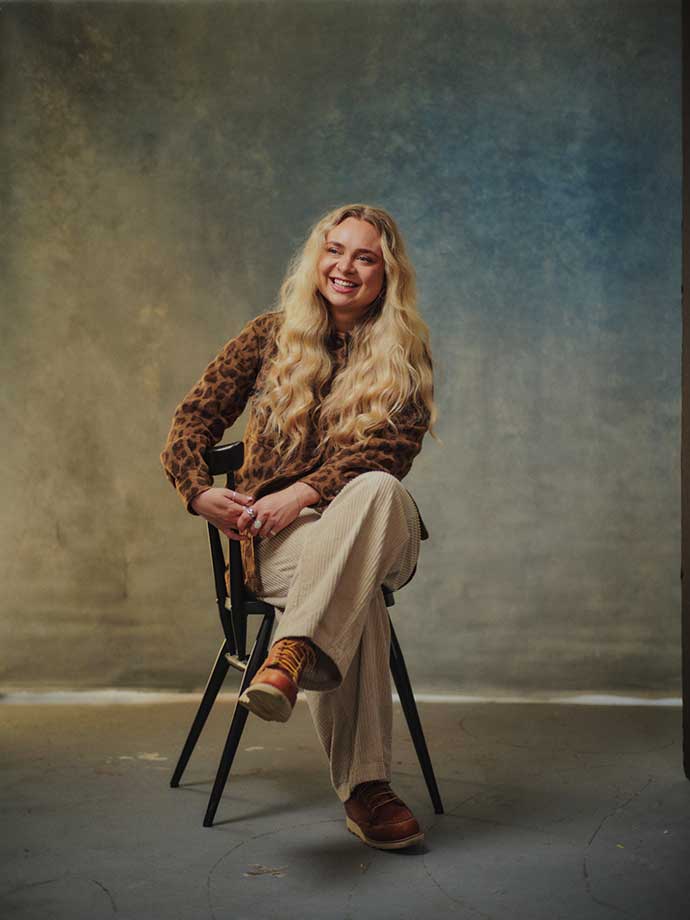
Honestly, I sometimes feel a bit out of the loop with a lot of this stuff because I don’t spend loads of time actively following AI updates. Most of what I see comes through social media when other creatives start talking about it. So when this latest ChatGPT Images update landed, I only really became aware of it because people started posting examples of what it could suddenly do. And I’ll admit, some of it is impressive. Some of the realism now is wild. But at the same time, there’s still something about it that doesn’t feel human.
I still think, most of the time, you can spot AI a mile off when it comes to branding, graphics or marketing visuals, I still think a lot of it feels really hollow and samey. What I find interesting is that people seem to enjoy AI when it’s used for more silly entertainment stuff, like making memes or novelty images to share with friends, but I don’t think people like being marketed to with AI. I keep seeing cafes, restaurants and bars posting AI-generated food photos and it’s so jarring to me.
Why would I want to see a fake version of the sandwich you sell instead of an actual photo of it? Even if it’s taken on an iPhone, at least it’s real. AI removes that trust.
Compared to some of my peers, I’m not hugely worried long term. Maybe I’m too optimistic, but I feel like we go through these waves every few years where everyone panics about new technology and then eventually things settle down again. There’s all this excitement and hysteria, industries panic, and then people slowly lose interest when the novelty wears off. My gut feeling is we’ll eventually come full circle with AI image generation as well.
That’s not to say it isn’t affecting people now. Work is quieter for a lot of creatives at the moment, and there are definitely concerns around clients cutting corners. But I still think people value human creativity and human understanding. A huge part of my job is sitting down with clients, talking through ideas, understanding their personality and instinctively knowing what they’re trying to achieve. I’ve worked in this industry for more than a decade now, and a lot of the time I can tell what someone wants just from having a conversation with them. You can’t really replicate that with prompts.
And when people hire a designer, they’re not just paying for software or visuals. They’re paying for experience and honesty. If a client suggests something that won’t work, I’ll tell them and explain why. AI won’t do that. It’ll just generate something regardless.
I think there’s a misconception that AI-generated work is somehow more premium or futuristic, when actually I think it often looks tacky. Too polished in the wrong way. Timeless design, good branding and genuinely creative work still come from people, not generators.
EMILY REDFEARN
ILLUSTRATOR, ANIMATOR AND DESIGNER
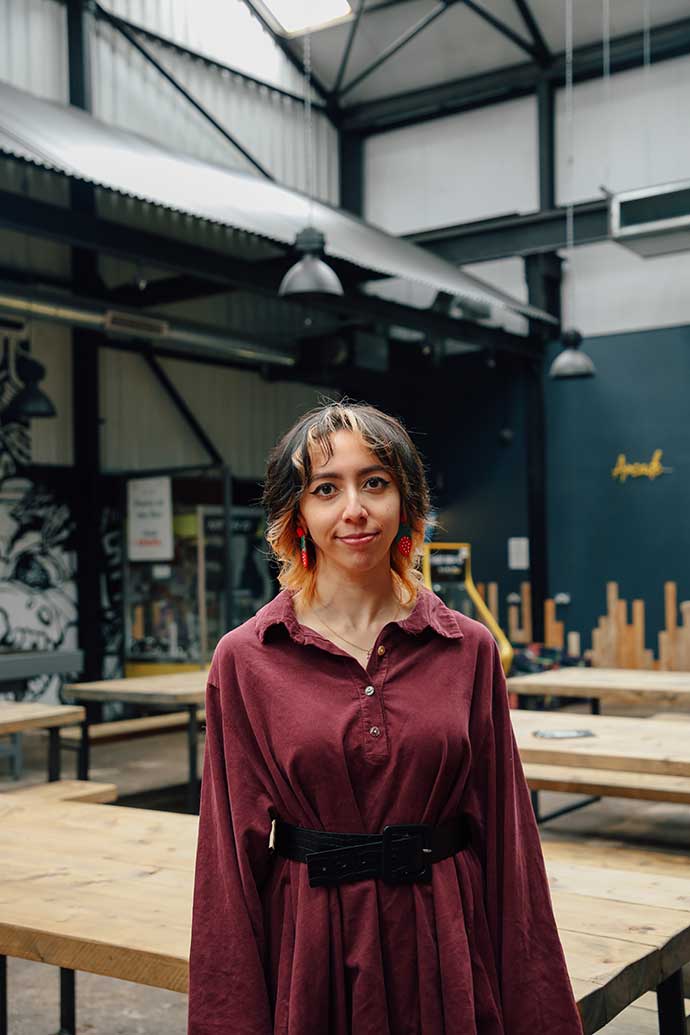
I don’t think many people working in the creative industries were particularly shocked by the latest ChatGPT Images update, because we’ve all seen how this technology has been developing. But I do think a lot of people were surprised by just how fast it’s improved. Before, AI-generated images still had that obvious weirdness to them. You could usually tell straight away something looked off, whether it was the hands, the lighting or just the overall feeling of the image. Now, the realism and the text rendering are so much better that it definitely feels more threatening than it did even a year ago.
I think what worries me most is the effect it could have on the value of creative work. A lot of us have spent years building up skills, portfolios and relationships with clients, and now there’s this idea that you can replace that with a few prompts. I can understand why smaller businesses might find it tempting, especially when budgets are tight, but when massive companies with larger budgets are increasingly using this it's extremely disappointing to see
You won’t get honest opinions; it can’t interpret emotion or bring lived experience into the process. And honestly, even though the technology’s improved, there’s still something really uncanny about a lot of the images when you look at them together. You’re simply not going to be getting anything new or original.
I also don’t think people fully understand the wider impact yet. There are environmental concerns, ethical concerns, safeguarding concerns – it’s much bigger than just whether something looks impressive online.
I’ve already noticed clients starting to send AI-generated references in briefs. I suppose that’s the lesser of two evils if they’re still commissioning artists afterwards, but it still feels uncomfortable, because all of this technology is trained on existing work scraped from the internet. As an illustrator, that’s a horrible thought.
You don’t want your own work being fed into systems that can then imitate styles and potentially undercut the people who created them in the first place.
I still believe there will always be people who value human creativity. It’s still seen by a lot of people as the lazy option, and I think there will always be clients and audiences who want work made by real people with something genuine to say.
JAMES MARTIN
DESIGN LEAD, CHAPTER II
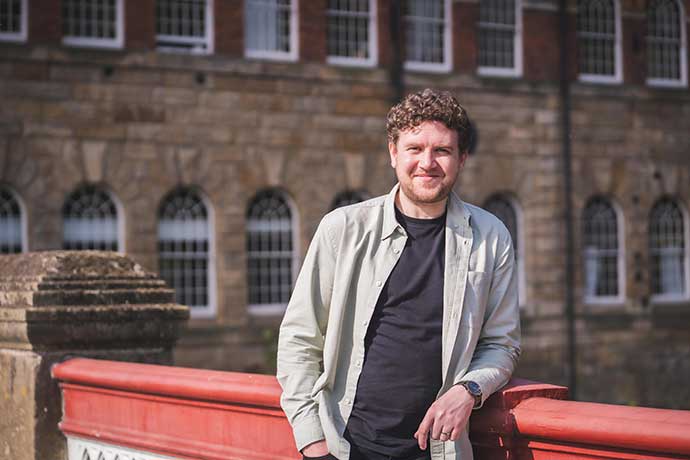
When I first looked at the ChatGPT Images 2.0 update, my reaction was probably the same as everyone else’s – it’s impressive on a surface level. The quality has clearly improved really quickly. It can produce things that, at first glance, look genuinely convincing.
But I still think, once you start properly looking at it, the cracks show quite quickly. We were testing some things in the studio the other day, including editorial layouts and adverts, and although the outputs looked polished initially, there were loads of little mistakes. Paragraph indents were inconsistent, alignments were off, spacing didn’t make sense. It felt a bit like working with someone new to design: they have the general idea, but don't fully understand why things should sit where they do.
That’s the thing I think a lot of people outside design maybe don’t realise. Creative work isn’t just about generating an image that looks nice. There’s loads of technical and strategic thinking behind it. If you’re producing a magazine, for example, it’s not enough for something to simply look good on screen. Is it set up properly for print? Are the images the correct resolution? Is everything editable? Has it got bleed and crop marks? AI still really struggles with those practical details.
We were experimenting with really simple edits on an AI-generated advert at one point and every tiny change completely altered the whole thing. You ask it to tweak one line of copy and suddenly the fonts, layout and imagery all shift as well. It doesn’t understand nuance or consistency in the way a human designer does.
I also think there’s still something very uncanny about a lot of AI-generated visuals. Even when they’re technically impressive, they often feel soulless. You can usually tell there’s something slightly off, even if you can’t immediately explain what it is.
Humans are actually really difficult to trick visually. We instinctively notice when something doesn’t feel grounded in the real world.
At the same time, I don’t think pretending AI is going away helps anyone. It’s here now and creative industries have to adapt to that reality. In some ways, it’s just another tool. AI already exists within Photoshop, InDesign and Illustrator, and there are definitely areas where it speeds workflows up and removes some of the more repetitive tasks.
The danger is when people think AI can completely replace creative expertise. A lot of business owners might see it as a quick shortcut, where you type in a prompt and instantly get exactly what you need, but it’s nowhere near that straightforward. Even using AI well still requires direction, judgement and experience.
For me, the most important thing is reinforcing the value of the human side of creative work. Ideas, taste, instinct, storytelling and problem-solving still matter. AI can generate content, but it still struggles to generate genuinely thoughtful creative work with personality behind it. And I think most people can still feel that difference, even if they can’t quite put their finger on why.
WILL ROBERTS
PHOTOGRAPHER AND VIDEOGRAPHER, VOX MULTIMEDIA
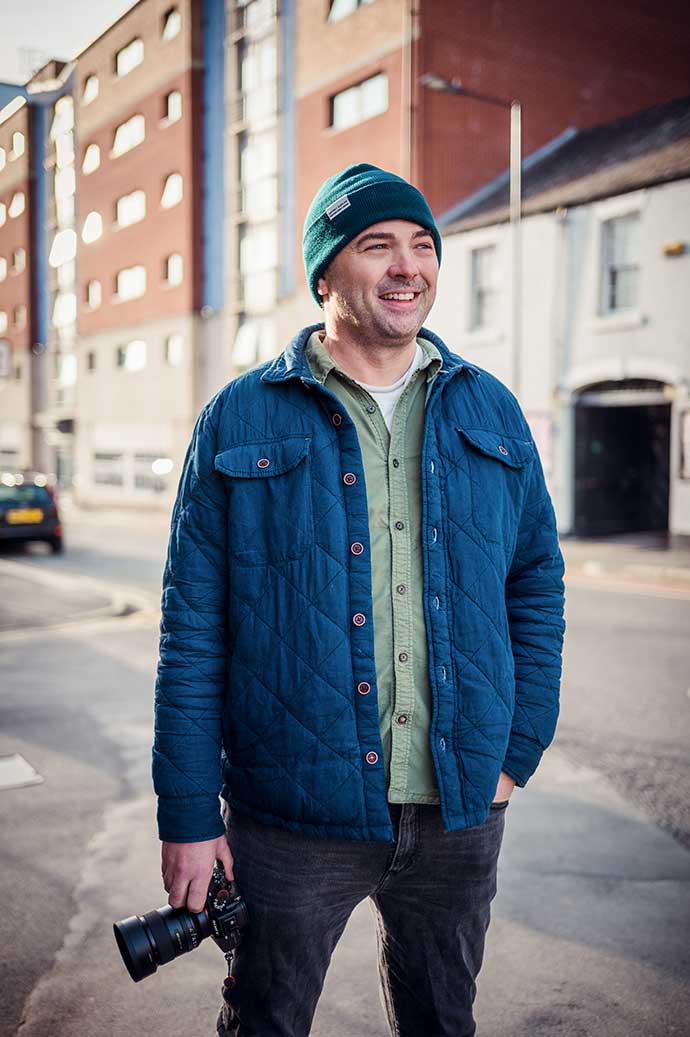
Honestly, the pace of improvement with this latest update is incredible. AI has always been developing quickly, but this feels exponential now. Everyone jokes about the 'Will Smith eating spaghetti' video, but it really does show how fast things have moved in a short space of time. The images are getting sharper, the text rendering’s getting better and everything feels much more polished and usable than it did even a year ago.
That said, I’m probably more relaxed about it than some people in the creative industries. I know photographers who’ve lost work because of AI already, and there are definitely areas of photography and design where I can completely understand why people feel nervous.
But in my own day-to-day work, AI currently helps me more than it hinders me.
A lot of the software I use already has AI integrated into it. Things like subtitling videos, audio clean-up, removing unwanted objects from photos, sorting through hundreds of images after a shoot – those are all jobs that used to take hours and now take minutes. Nobody enjoys spending half a day formatting subtitles or manually editing out a fire exit sign in the background of a shot. AI’s massively sped that side of things up, and from a workflow point of view that’s hard to ignore.
I think where I feel more reassured is that so much of what I do still relies on human interaction and real-world environments. I mostly shoot events, businesses, people and live moments. You can’t really fake that. If you’re photographing the Crucible during the snooker or filming an event, someone still physically has to be there to capture it. AI can generate an image of a room or a person, but it can’t recreate a genuine moment as it’s unfolding.
The bigger issue for me is probably the lack of regulation and transparency around all of this. The technology is moving so much faster than the conversations around ethics, copyright and environmental impact. Businesses are already using AI-generated visuals commercially, often without making it obvious that they’re AI-generated. I think at some point there’ll need to be clearer rules around disclosure and how this stuff is being used.
I can also understand why creatives feel frustrated when massive organisations start cutting corners with AI despite having the budgets to hire real people. There’s a difference between a local business experimenting with tools because money’s tight and huge companies replacing creative jobs just because they can save time or cash.
At the same time, I don’t think this is necessarily the end of creative industries. Every new technology creates panic at first. People thought television would kill radio, or the internet would kill television. For me, it’s more about adapting than resisting completely. AI’s already part of the tools we use every day, whether people realise it or not. The challenge now is making sure it’s used responsibly, transparently and without losing the human side of creative work altogether.