By Ruby Deakin
With the launch of Sheffield City Council’s brand-new 10-year growth plan, Sheffield Chamber of Commerce and Industry (SCCI) welcomed the British Chambers of Commerce (BCC) to celebrate economic growth and groundbreaking local innovation in Sheffield and the surrounding region. unLTD’s Ruby Deakin digs a little deeper into what this could mean for the region.
Sheffield’s Growth Plan 2025–2035, rooted in the Council mission “Together we get things done”, aims to build on established and new partnerships, private sector investment, and community strength to rejuvenate all aspects of Sheffield life. At the core of its economic strength is the city’s cultural, creative and innovative spirit, harnessing the talents of thousands of hard-working individuals. In a nutshell, the plan is committed to supporting businesses through unprecedented challenges and market demands, recognising the importance of connectivity, community and mutual support to facilitate new opportunities, industry and growth.
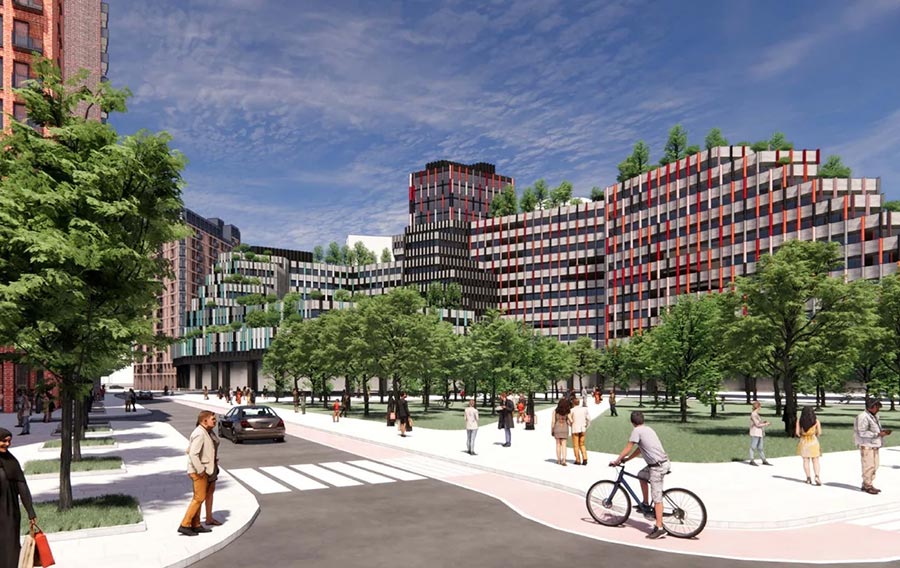
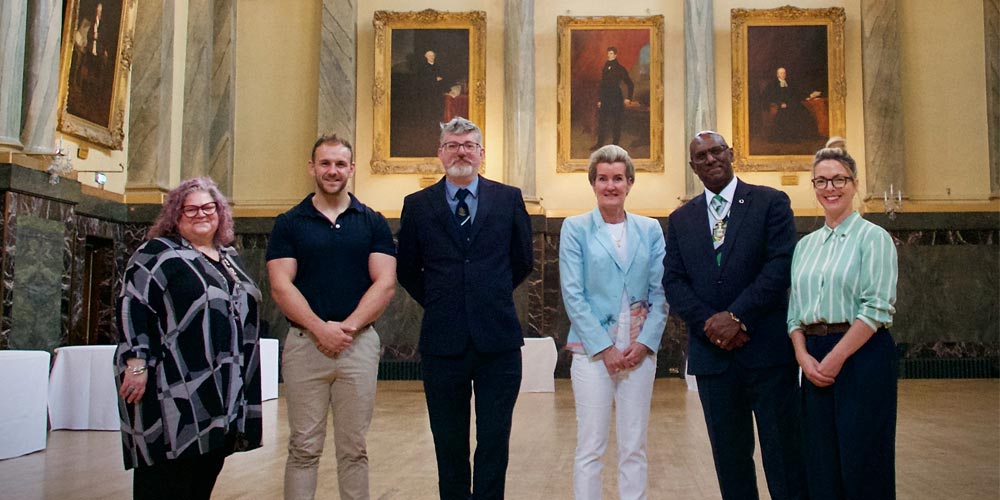
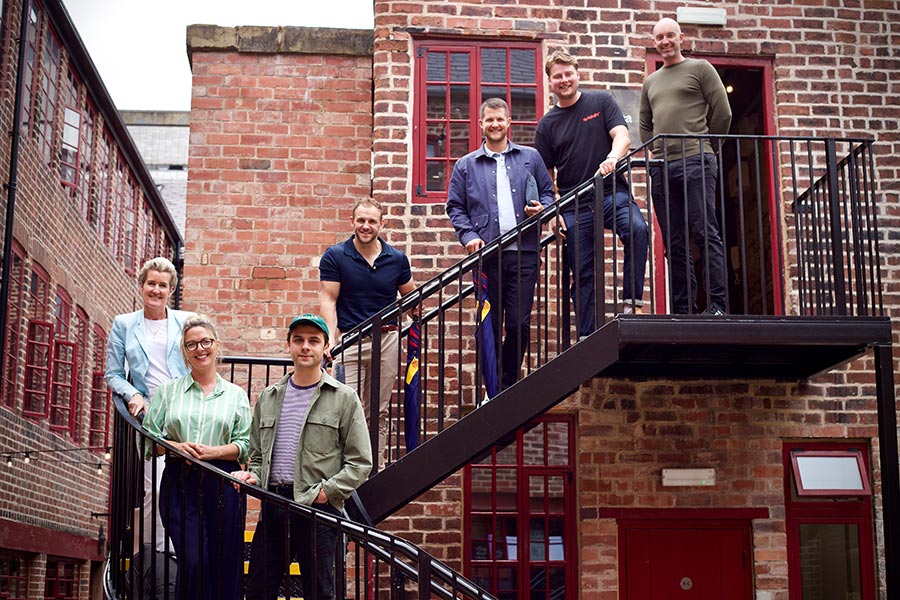
Last month, British Chambers of Commerce directors visited local industrial hubs such as the Advanced Manufacturing Research Centre, Sheffield Hallam University, the Heart of the City, Sheffield Olympic Legacy Park and other core development areas, meeting with city leaders and stakeholders to discuss the new plans. The visit was facilitated by Sheffield Chamber of Commerce, which plays its part as a collaborator and champion of the city’s business community.
The Council’s plans for growth are certainly ambitious – and potentially gamechanging. I've dug out five key takeaways from the 42-page document, dissecting what they might mean for the future of businesses and residents in the region.
1. Supporting a business ecosystem
Sheffield City Council’s plan to drive regional growth through technology and innovation investment starts with building a strong support network for businesses. A Regional Business Support System will offer enhanced growth strategies to local enterprises, allowing organisations to access new markets and large-scale finance. The plan also aims to take a new approach towards international partnerships, improving global market access for local industry and building on existing business relationships beyond national boundaries.
Piloting a Sheffield Capability Index will highlight supply chain advantages to aid investment, allowing local businesses to capitalise on supply chain opportunities. South Yorkshire is proud to declare itself the UK’s first Investment Zone, leveraging the region’s groundbreaking technological and manufacturing expertise to boost infrastructure and capital development.

In partnership with the city’s universities and technology centres, the Sheffield Innovation Spine will facilitate vital connections between businesses throughout the city, providing cutting-edge research spaces and labs, as well as centres to enable new spin-outs and start-ups to build strong foundations in the city centre.
2. Expanding and restoring new neighbourhoods and communities
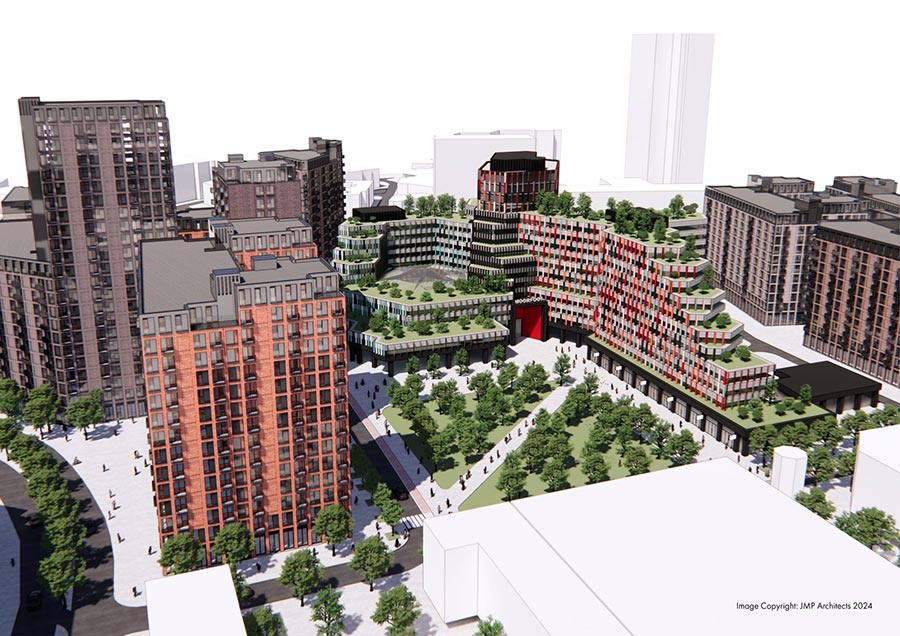
Collaborating with Homes England, Sheffield City Council aims to lay the foundations for developing five new city-centre neighbourhoods and 20,000 new homes at Moorfoot, Furnace Hill and Neepsend – boosting access to culture, entertainment, green spaces and essential local services in the heart of the city. The plan emphasises community-building and resident-centred development, providing social spaces and accessible facilities that respond to the unique needs of each neighbourhood, prioritising wellbeing, comfort and safety.
Beyond the city centre, the growth plan allocates new renovation efforts to key Sheffield areas including Attercliffe, Gleadless Valley and Stocksbridge, working with partners and stakeholders to improve opportunities and access to essential community facilities. Attercliffe’s 23-acre regeneration scheme includes the construction of 1,000 new homes alongside new public spaces and commercial buildings, while plans for Stocksbridge feature a new community hub and library. The draft Local Plan also sets out a new policy to drive minimum levels of affordable housing across the city, ensuring that quality living is accessible and attainable for all.
3. Moving towards sustainable innovation
Securing long-term climate resilience and transitioning to green alternatives not only requires investment in sustainable practices, but a commitment to improving education and skills training to enable meaningful change. In its pledge to become a global demonstrator in the journey to net zero, Sheffield City Council plans to issue a decarbonisation route map and provide essential advice to businesses and citizens – ensuring that everyone is equipped to make informed decisions and adopt cleaner, greener alternatives in their everyday practices.
Climate-friendly infrastructure and land management are at the core of the new plan. Flood management and responsible land planning will mutually benefit communities and the environment, while investment in decarbonising houses and businesses – as well as new community energy projects – will significantly accelerate carbon reduction in the region.

4. Building connections within Sheffield and beyond
Central to driving effective and rapid economic growth in the region is securing a reliable transport network for all Sheffield residents. Improving channels of communication and travel is essential, with new investment efforts aiming to strengthen connectivity between city regions as well as with other cities and industrial hubs.
Currently, fewer than 40% of Sheffield residents can access the city centre within 30 minutes by public transport. The Council’s plan to expand tram and rail networks, particularly along the Chesterfield–Sheffield–Stocksbridge route, aims to extend access to 100,000 more residents.
The plan also outlines a commitment to bus reform, improving routes and timetables, and increasing accessibility for the city’s disabled community. It also proposes investment in road safety, parking provision, and improved infrastructure for cycling and walking – as outlined in the Sheffield Transport Vision. A newly launched Sheffield Rail Taskforce will work with government departments and local authorities to ensure that improved rail services meet the needs of Sheffield’s residents and businesses.
Externally, improved transport links to other key areas will be vital to establishing the city as a thriving hub of industry and innovation. The plan champions the acceleration of electrified rail connections to London, Leeds, Manchester and the East Midlands – aiming to boost capacity and the frequency of services to major destinations.
5. Championing culture and heritage
Sheffield’s industrial growth owes much to its cultural output – from grassroots organisations to world-class arts institutions, a thriving local music scene and landmark heritage festivals. The Council aims to accelerate cultural growth by championing local talent and showcasing the city’s rich heritage as integral to its creative identity.
The plan sets out to increase Arts Council England funding per capita, alongside other cultural investment funds, to support the 2,000 cultural businesses and 25,000 creatives living in Sheffield and the wider region. The Sheffield City Culture Strategy will invest in cultural enterprise while aiming to expand the sector’s growth potential and elevate Sheffield’s reputation for creative excellence on a national and international scale.
A key part of the strategy is a commitment to restore the historic environment of Castlegate, creating a new public park and fostering a vibrant community around culture hubs such as Harmony Works and S1 Artspace.