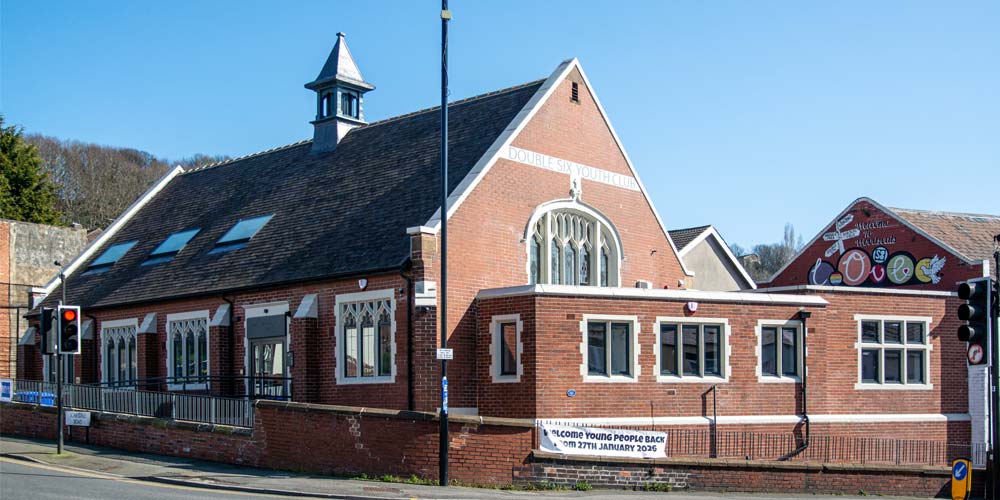
When Austin Fletcher became involved in the transformation of Double Six Youth Club in Woodseats, the potential was obvious. So was the significance.
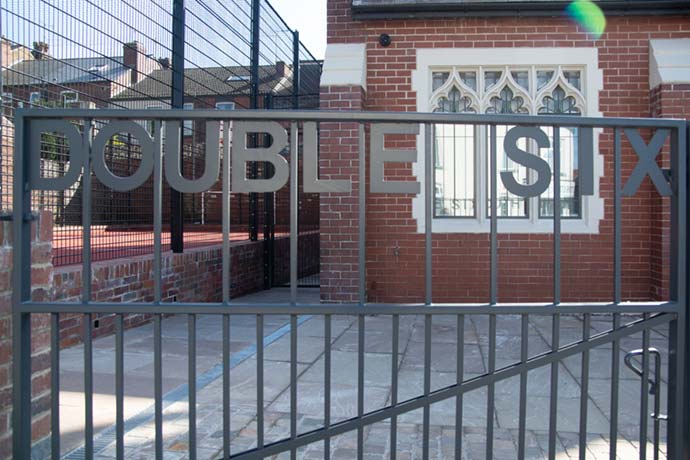
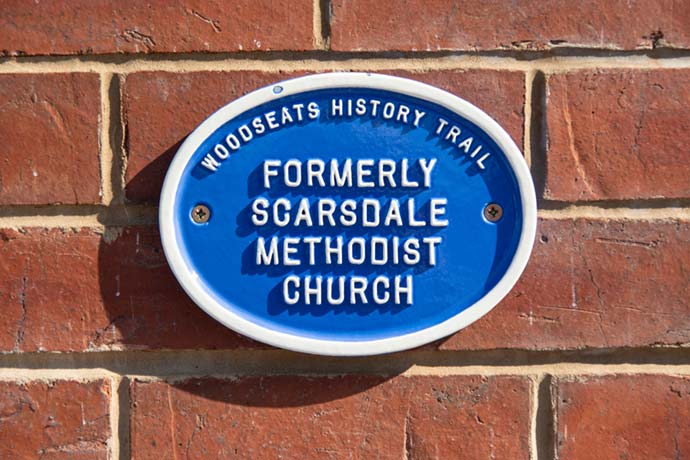
Double Six is one of those buildings that means something to people. It has been in use as a youth club since 1966, but its story stretches back to 1895, when it first opened as Scarsdale Primitive Methodist Church. Over more than a century, it has remained a constant presence – clearly visible at a busy crossroads leading into the area’s main hub – evolving alongside the community it serves.
As such, helping bring it into a new era was always going to matter.
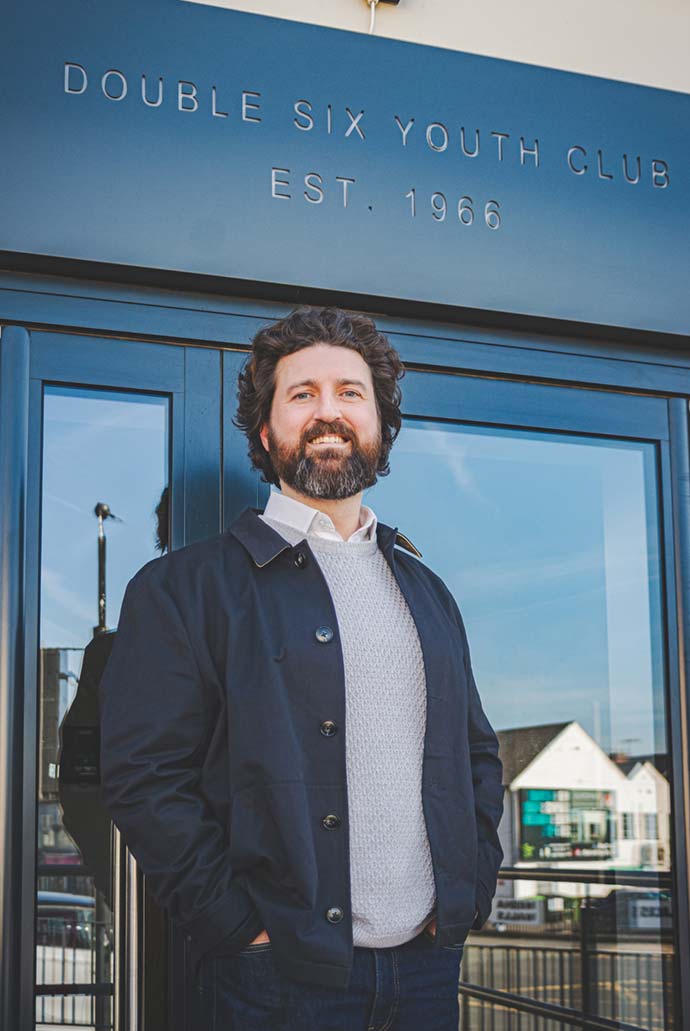
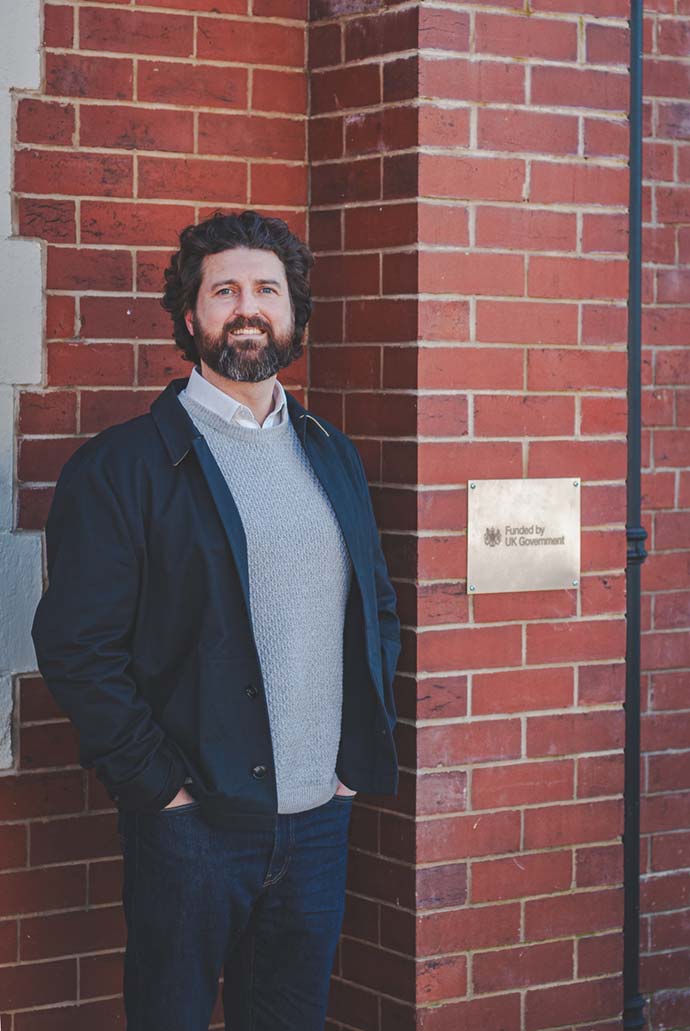
“There is something nice about working on a job that’s in an area you’re familiar with,” says director Wayne Fletcher, who grew up not far from the building in Norton. “When the opportunity first came up, I knew I wanted to get involved in the project.”
For the Sheffield consultancy, the role covered project management, quantity surveying and, later, contract administration as the work progressed on site. In practical terms, that meant helping steer the scheme from ambition, through design to delivery, putting the right team around it and making sure the project kept moving in the right direction.

What stood out from the outset was the scale of the opportunity. The news of how the club had received £1.5m from the Youth Investment Fund attracted coverage ranging from Look North to the BBC News website. There was already a clear vision for the youth club and what it could become, but that needed shaping into a scheme that could be properly developed and delivered.
“There was a lot of work to do when we came on board,” says Wayne. “The project had just been granted planning permission, so it was in the early stages of design. We then needed to build the remainder of the design team to be able to develop and complete the design, before going out to tender, all in a very small amount of time.”
From that point on, the focus was on creating something that would serve the club far better in the long term. Like many older community buildings, Double Six needed more than a cosmetic refresh. The aim was to make it warmer, more practical and less expensive to run, while also giving users a better overall space.
“One of the biggest things was reducing their maintenance and heating costs,” he explains. “It was very cold in there, and it was costing them an absolute fortune just to try and keep it running.”
As work progressed on site, the realities of refurbishing a building of this age inevitably came into play. Opening up the structure revealed a number of hidden issues – from areas of asbestos that required careful removal to sections of timber that had deteriorated over time. There were also elements of the roof that needed more extensive work than first anticipated, along with long-standing issues around water ingress.
“With old buildings of this nature, there is always an element of risk and a need for a good contingency,” he says. “You can only find out so much with surveys. Once you start opening the building up, that’s when you really find out what you’re dealing with.”
Rather than allowing those discoveries to knock the project off course, the team took a measured approach – addressing issues as they arose while keeping a close grip on programme and budget.
That careful handling helped ensure that, despite the complexities, the project stayed aligned with its original aims.
That challenge has now been answered through a package of improvements designed to make the building more efficient and more sustainable over time. Upgraded insulation, a new heating system and a substantial solar PV array all play their part in making the club more economical to operate.
Yet the success of the project is not just about what has been replaced or repaired. Wayne is particularly proud of how the building has been rethought to make better use of the space available.
“For me, one of the big positives is how the architect has managed to improve the usable space in the hall and kitchen area,” he says. “They’ve introduced a new lobby with a stair and passenger lift while also including a mezzanine above; it gives the club so much more useable space and you don’t feel like you’ve lost much of the ground floor. It works brilliantly, credit to Matt Beaumont at Evans Vettori.”
That balance between improvement and character runs through the whole scheme. Accessibility has been strengthened through the addition of a lift and new staircase. Internally, the layout now works more flexibly. Externally, the building has a renewed presence without losing the qualities that made it familiar in the first place.
There is obvious pride, too, in the details that help preserve its identity. Original slate was retained on the roof where possible, while the stained-glass facing Chesterfield Road has been opened up again. The signage has been repainted, new lights added and it now feels far more visible and confident on one of Woodseats’ best-known corners.
The transformation extends beyond the building itself. Outside, the upgraded multi-use games area has quickly become one of the project’s most immediate success stories, offering a practical, high-use space that young people have taken to straight away.
“That was one of the big ‘non-negotiable’ items,” Wayne says. “The club’s leader, Richard Hay, told us that whatever we do, the project has to include for a new MUGA. Apparently it is in use every day now.”
And that pretty much gets right to the heart of it. For all the planning, coordination and technical expertise involved, the real measure of success is simple: are people using it, enjoying it and getting something from it? In the case of Double Six, the answer already appears to be a resounding yes.
The timing feels right, too. Woodseats has seen a steady sense of momentum in recent years, with fresh energy around the area and a growing sense of confidence in the local community. A renewed youth club in the middle of that feels like an important addition.
Listening to Wayne talk about the project, what comes across most clearly is that this sort of work is never purely about bricks, costs and programmes. On paper, Austin Fletcher’s involvement sat across project management, quantity surveying and contract administration. In reality, it also meant guiding people through a major one-off undertaking and helping give shape to something they cared deeply about.
“It’s a once-in-a-lifetime development for the trustees,” he says. “They rely on us to help them through it, especially the tough times when things don’t always go to plan. These types of projects can often mean you end up putting more time into it as a result, but to see the project complete and the positive impact it has on the local community makes it all worth it.”
That kind of perspective matters on community-led projects. For the organisations behind them, the stakes feel personal as well as practical. The end result has to work, not just as a building, but as a place with a future.
The opening event offered a chance to step back and see that in real terms. After all the meetings, planning and construction work, the focus shifted to the people who would use the building and shape its next chapter.
“When you see the trustees who’ve put a lot of time and love into the club over the years, and Richard, who attended the youth club himself as a child, making a speech, it is quite emotional,” he says. “It’s brilliant they’ve now got the facility they desperately needed.”
Now up and running and already attracting strong interest, Double Six begins its next phase in far better shape than before. For Wayne and everyone involved, that is something worth being proud of.
“It wasn’t an easy project for anyone at times, but collectively as a team, we worked hard to ensure the brief was met and the project was successfully completed. It is going to have such a positive impact on the local community, and we’re really pleased to have played a part in that.”
austinfletcher.co.uk / info@austinfletcher.co.uk / 0114 213 8305