

From tech start-ups to creative agencies, Pennine Five is home to a growing community of ambitious businesses helping shape Sheffield's future. In the latest instalment of our Meet the Residents series, we catch up with Pete Hopton, Founder and Chairperson of Venture.Community, to find out how the organisation is backing the next generation of founders – and why Pennine Five has become the perfect base for building the city’s entrepreneurial ecosystem.
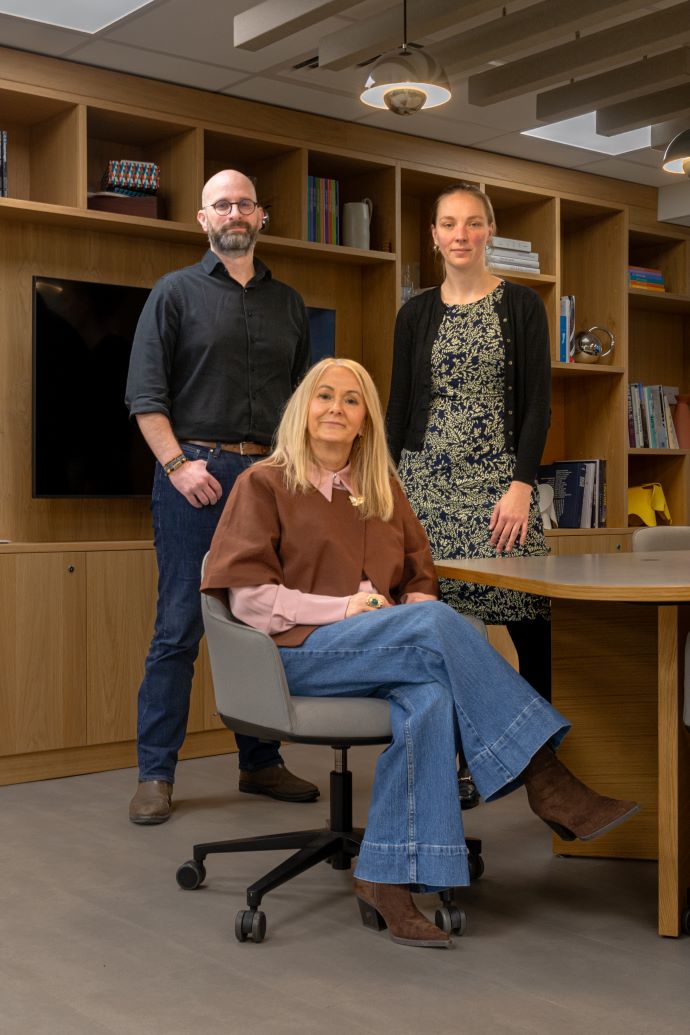
For readers who haven't come across Venture.Community before, can you tell us a bit about the organisation and what you do?
Venture.Community® is the world's first mutual society for venture entrepreneurs. The society is mutually owned by its members, democratically operated, and began in Sheffield: Seven entrepreneurial family offices, venture studios and lead angels – who each found themselves spending most of their time supporting founders – combined their efforts into a structure so that they could collaborate.
Our premise is that ‘venture is a team sport.’ Founders build. We back the people who build. We do this through a network of Fellows, Specialists, Angels and Members.
For every Supported Company, a Founder is paired with a Fellow who has built, raised, hired and exited, for one-on-one support through their journey. Specialists provide depth of knowledge on demand. Angels invest directly, first, on the terms founders give to people they trust.
The community has backed 24 startups so far. Between them, they have raised £23.9m. 88% of participants raising a venture capital (‘VC’) round have done so within six months.

Sheffield has a growing reputation for deep tech and science-led businesses. What opportunities do you think the city offers that make it a strong place to build a startup?
Sheffield has the raw materials for deep tech: two world-class universities in the city centre, AMRC and Factory 2050 on the doorstep, and generational depths in engineering, advanced manufacturing and materials. The spinout pipeline is strong, and the cost base means a science-led company's runway stretches further here than almost anywhere else in the UK.
It is less well known that necessary experience and capital exist here also.
Sheffield has one of the highest concentrations of millionaires for any city outside London, for example, and a generation of operators who have built and exited technology companies. Venture.Community connects that experience with founders coming through, and regional deal flow has grown from around £12m to more than £20m a year since the society began operating.
Deep tech takes longer than software and needs more patient backing. Having a community of experienced builders who understand that – rather than a purely transactional funding scene – is what enables a city like Sheffield hold onto science-led companies as they mature.
What are the biggest challenges facing early-stage founders at the moment, and where do you think you can make the greatest difference?
Three failure modes account for most early-stage losses and none of them are due to the product.
One: founders run out of energy because building a company can deplete that for the people who build it. Two: companies chase too many markets at once, or the wrong one. And thirdly: capital and customers come through people, so a founder without networks stays stuck regardless of merit.
Venture.Community pre-empts those failure modes. Every ‘Supported Company’ gets one-on-one support from the Fellow it is paired with. Before anything else, founders select a beachhead, a focused initial market, with ‘operator judgement’ behind the decision rather than theoretical advice. Also, networks for capital and traction are the membership itself: Angels aligned with the community's standards of conduct, and customers introduced by Fellows already working in those beachhead markets.
The principle underneath all of this is that you need scale the founder before you scale the company. We don't make founders look investable. We help make them investable.
You're based at Pennine Five, a development that's becoming home to an increasingly diverse business community. How does being part of that wider ecosystem benefit your members?
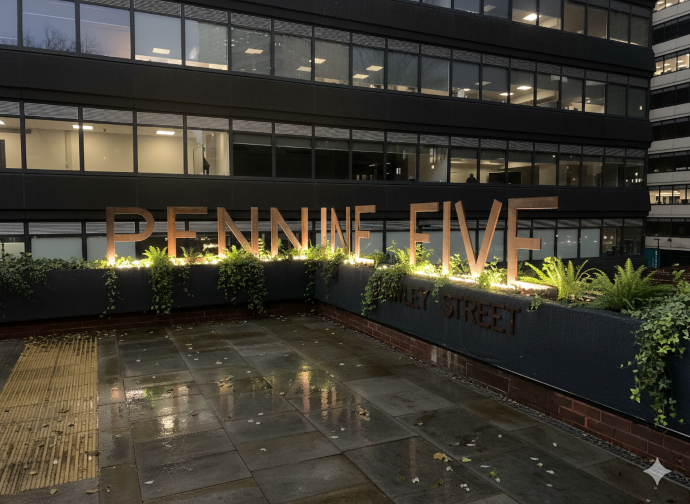
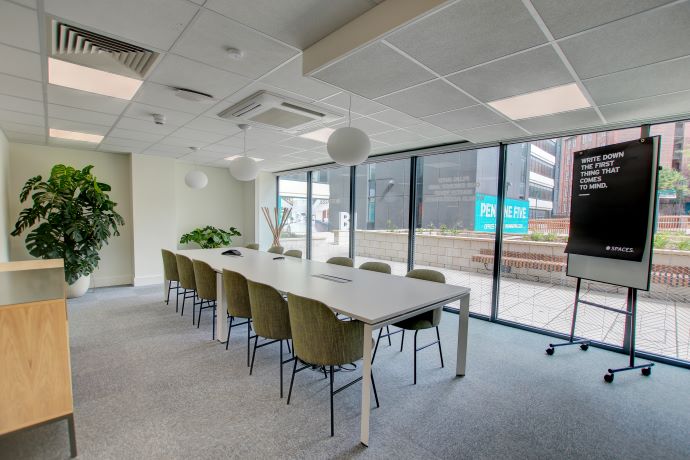
Pennine Five is the operational home of Venture.Community: Specifically Block 3 on Tenter Street. It’s where we hold events for our members. Entrepreneur’s Breakfasts and investor visit days are run through the campus as well, and a number of Supported Companies are based on site.
The wider ‘P5’ community matters as much as the space. Founders share the campus with engineers, agencies and university spinouts, and that mix produces the collisions a first customer or a first hire often comes from. We tell every new Venture.Community region that it needs a physical anchor: a place that is central, accessible and welcoming, where the community actually gathers. P5 is that anchor for Sheffield.

The Innovation Spine has become a focal point for growth in Sheffield. How does Venture.Community fit into that wider vision for the city?
The Innovation Spine runs through our front door. The Spine’s route arcs from the University of Sheffield's campus, through Tenter Street and West Bar, via Castlegate and the Digital Campus, Sheffield Hallam and the main station. By virtue of Pennine Five, our members work within the Spine itself.
The Spine is a twenty-year strategy to link labs, workspace and facilities that knowledge-led businesses need, and it will fill this part of the city with companies Venture.Community exists to back.
We contribute human infrastructure. Founders turn labs and workspace into companies, and to do it they need first cheques, first customers and people who have made the journey before. The society's scope is now national but Sheffield remains home. P5 and the Spine are a large part of that.
Looking ahead, what would success look like over the next three to five years?
Success is a network of self-sustaining, founder-centric ecosystems, each mutually owned by members and each built on the ‘Sheffield model’: a community hub, a Fellowship of experienced operators, and cohorts of Supported Companies.
In December 2025, the membership voted to extend the society's scope across the UK. Chapters are coming together in important locations including Germany and the United States.
At home in South Yorkshire, success looks like more founders choosing to build here and stay as they scale; maximising their probability of success, with us supporting them all the way.
There is a longer arc as well: Recognition of company-building as a profession, with the society as reflecting that as a professional body. Fellows and members already carry post-nominals, for example, as members of other professions and industries do.
For entrepreneurs who are considering taking the leap into starting a business, what would you say to encourage them to become part of your network?
You don't have to take the leap alone and you don't have to take it all at once.
Venture.Community membership is £10 a year. Step in and see. Come to an event at Pennine Five. Listen and ask questions. The room is full of people who have been where you are and want to help.
When you're ready to build, the structure is here: a Fellow beside you, specialists on hand, supportive members and Angels who invest on terms founders offer to people they trust.


