From selling dungarees out of a van to building one of the UK’s most recognisable independent fashion brands, South Yorkshire-based business Lucy & Yak has come a long way. Co-founder Chris Renwick reflects on the early days, lessons learned and ideas shaping the business’s future.
Take us back to the beginning. What were you doing before Lucy & Yak came along, and what first inspired you and Lucy to start a clothing brand?
Lucy and I had both worked in retail before we went travelling. We started making little pouches from clothes people had left behind in hostels, then came back to the UK and sold vintage clothes on Depop while living in our van, Yak. We were finding ways to keep travelling and pay for our lives as we went.
We noticed how well dungarees sold and wanted to make our own really comfortable pair. In India, we met Ismail, a tailor in Rajasthan who shared our ideas about fair pay and treating people properly. We made our first 30 pairs with him in 2017. That was the beginning – a van, a very small order and quite a lot of figuring it out.
Was there a particular ‘lightbulb moment’ when you realised you had the beginnings of a viable business, or did the idea develop more organically?
The idea grew organically, but selling those first 30 pairs was a fairly convincing nudge! We sent them to Lucy’s parents’ house, photographed samples in the foothills of the Himalayas and put them on Depop. They sold in minutes.
That gave us enough confidence to make another batch and see whether it happened again. I think people imagine a lightbulb moment comes with a complete picture of the business you’re going to build. Ours gave us the next step. We could see people wanted what we were making, so we kept going. The ambition grew with the business.
Lucy & Yak has developed a distinctive identity and a loyal following. How did you go about establishing that personality, and how important has it been to the company’s growth?
A lot of it came from us and the people who joined in. We loved colour, comfort and the freedom to wear something because it makes you happy. We wanted people to feel welcome and be able to see who was making their clothes.
Then the community brought its own personality. People wear the same pair of dungarees in completely different ways, and that’s brilliant. You make the piece; they make it theirs.
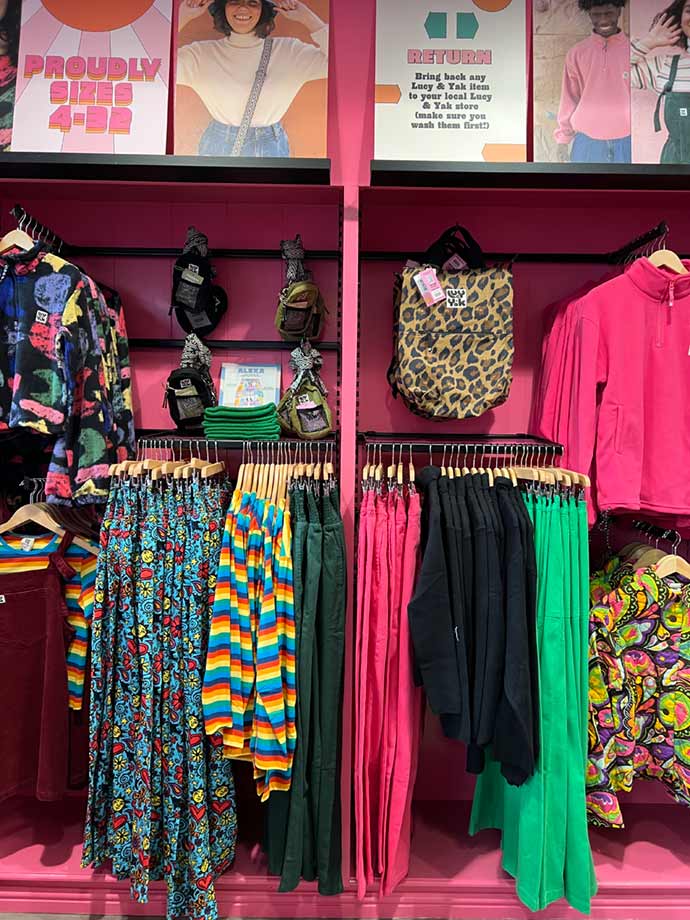
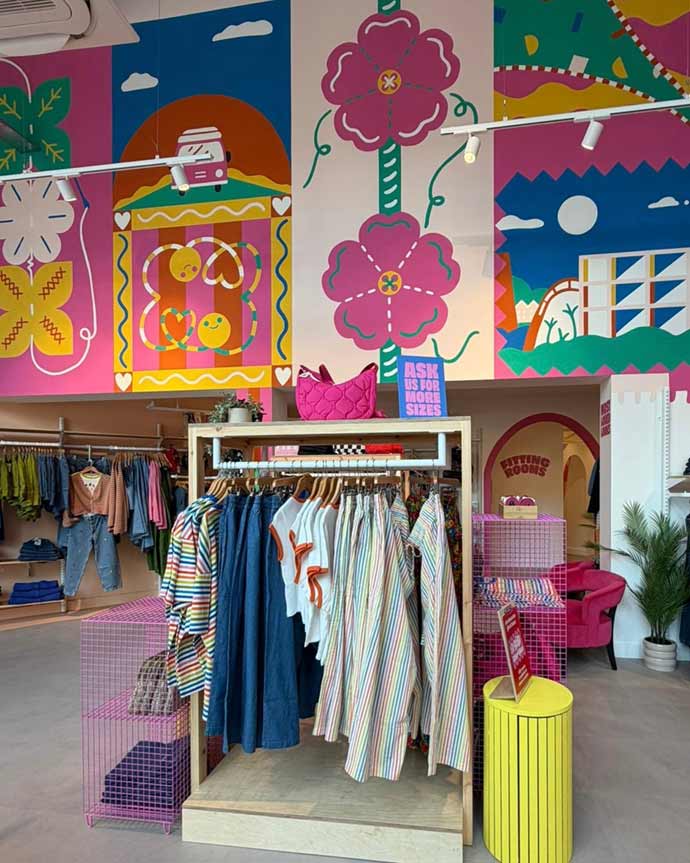
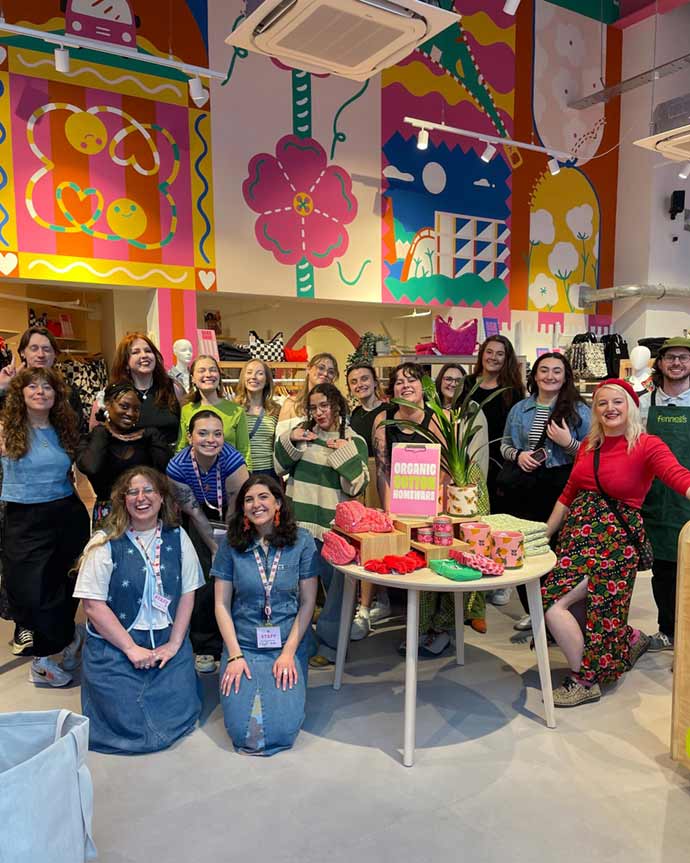
That feeling is a huge part of why people connect with Lucy & Yak. It carries through the clothes, the way we talk and the shops. I get quite involved in store design because I want walking through the door to feel like stepping into the brand. There should be something in there that makes you smile.
What have been the biggest challenges you’ve faced in growing the business, particularly as you’ve moved from a small independent operation to a recognised name in fashion?
Getting the practical side of the business to keep up with the ideas. You find something customers love and want more of it tomorrow. Clothing doesn’t work like that. You have to plan and buy well ahead, get the quantities and sizes right, and pay attention to what people are actually wearing.
As we’ve grown, the decisions have got bigger. More products and more shops mean more to coordinate, and you need good information and people who can act on it. I’ve had to learn some patience along the way.
The creative part gets people excited. Getting those everyday decisions right means you can afford to keep making things they’re excited about. Both need proper attention.
Was there ever a moment when things became particularly difficult and you questioned whether the business would succeed?
We nearly abandoned the idea before we’d even launched. Finding someone to make the clothes with was difficult. We wanted a relationship with the people making them and to feel comfortable about how they were treated. After a lot of meetings, we were close to carrying on with our travels and leaving the idea behind.
Meeting Ismail changed that. We got on, our values lined up and we could start with a small order. Those first 30 pairs gave us a way to try it.
What helped was keeping the next step manageable. We needed to find someone we trusted and make a small batch people wanted to buy. That was enough to move things forward.
What’s been the steepest learning curve for you personally? Is there anything you would approach completely differently if you were starting again today?
Letting go. I care about the details and I’ve got plenty of opinions, which is a combination that can keep you very busy!
When you’ve helped build something from nothing, it’s easy to feel you should be involved in every decision. I’m still learning where I add the most value and where I need to give other people the space to do their job. There’s a lot I love doing: ideas, shops, the brand, finding new opportunities. I need time to do those things properly.
If I were starting again, I’d put clearer responsibilities and better ways of sharing information in place earlier. Give people what they need to make a decision, then let them make it. I’d probably still have an opinion about the paint.
The fashion industry has changed considerably since you launched. What’s the biggest shift you’ve noticed in consumer behaviour, and how has Lucy & Yak responded?
I think people are looking harder at what they get from their clothes. The price matters, how often they’ll wear something matters, and there’s more interest in buying second-hand or keeping a favourite going. We have to make those choices easy and appealing.
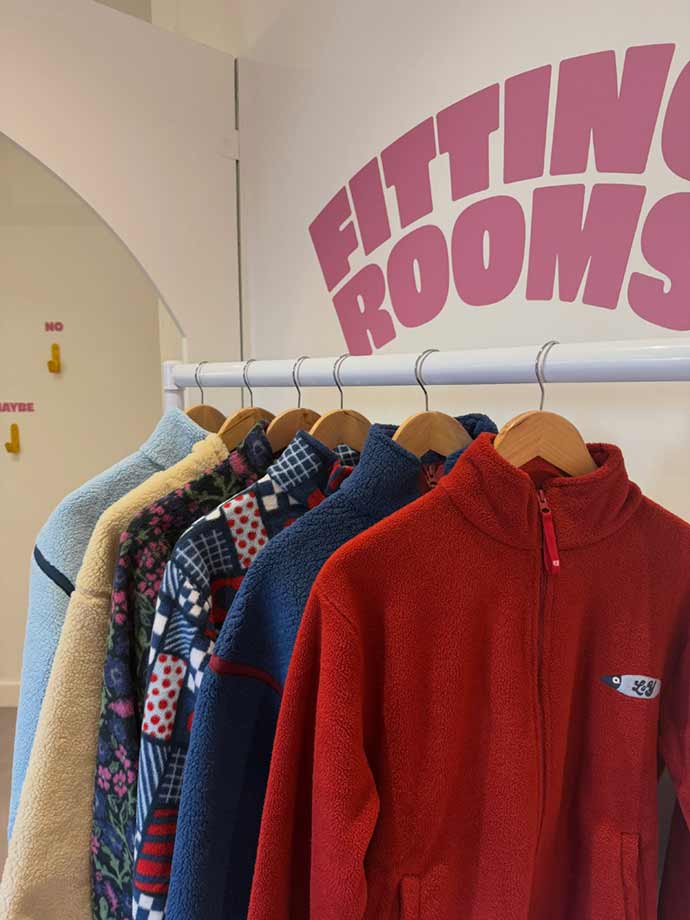
Re:Yak is a big part of our response. People can bring back Lucy & Yak pieces they no longer wear, and we work out whether they can be resold, repaired, reworked or recycled. Since 2023, more than 50,000 pieces have come back through the programme.
Where do you see the biggest opportunities for the business over the next five years, whether that’s new markets, products or different ways of reaching customers?
For me, shops and circularity are two big opportunities, and they work well together. A shop gives people somewhere to try the clothes, meet the team and bring their old Yaks back. I love the possibilities of that: a place where people want to spend time, with a useful job in keeping clothes moving.
I can also see opportunities in reaching new customers through the right independent stockists and in new markets. We need to be thoughtful about where the brand fits and what each opportunity needs to work.
Over the next five years, I’d love us to get much better at the whole life of a piece of clothing. Making it, selling it, buying it back, repairing it and finding its next wearer. There’s a lot of business to build around that.
Is there anything you’re particularly excited about in the Lucy & Yak pipeline that you can share with us?
Repairs for Life is one I’m particularly excited about. We’re working towards free repairs on eligible Lucy & Yak pieces bought new by UK Comfort Club members, with customers covering postage. If you love something and want to keep wearing it, I want us to help you do that.
We’ve also just held our first Circular Fashion Fair in Sheffield, bringing together PreLoved shopping, repairs, workshops, talks and independent makers. I’d love to build on that. Getting people together to learn a skill, share an idea or find a new favourite has so much potential.
Those are the things that get me going. A good idea becomes much more exciting when you can see how people will actually use it.
Finally, what advice would you give to someone with a business idea who is hesitating over whether to take the plunge?
Find a small version you can try. Make a few, put them in front of people and see what happens. There’s only so much you can learn from thinking about it.
We started with 30 pairs of dungarees. Selling them gave us the confidence to do the next batch. You can let the evidence build your confidence, rather than waiting to feel completely ready.
Listen to people, know what it costs you and stay open to where the idea might lead. Ours took us much further than we expected.
And enjoy the bit where you’re making something happen. If we’d waited until we knew how to run the business Lucy & Yak eventually became, we’d still be in the van.