
Employee Ownership Trusts (EOTs) are gaining ground as business owners look for alternatives to trade sales, private equity and walk-away exits. For regions like South Yorkshire, they offer something more: a way to keep firms independent, people invested and wealth local.
Rotherham Council has become the first local authority in the country to actively promote and support employee ownership, backing EOTs as a practical succession route for the right businesses. The aim is simple – protect local jobs, strengthen long-term resilience and stop successful companies being sold out of the region.
To see how the model works on the ground, unLTD visited Sheffmed, a Rotherham-based medical supplies business that recently transitioned into employee ownership.
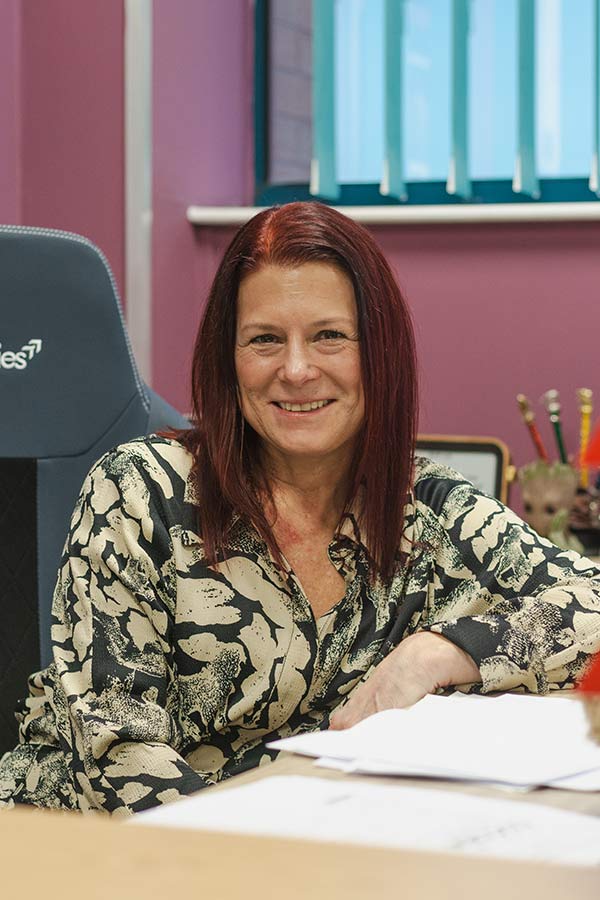
When Sheffmed director Sonia Hobson and her business partner Alan began thinking seriously about succession, they knew what they did not want. After nearly 30 years running the Sheffield-based medical supplies firm, a straight trade sale felt like the wrong outcome.
“It’s been happening a lot in our industry,” Sonia tells unLTD over coffee at their offices in Centurion Business Park. “Bigger companies come in, swallow you up, and you can’t guarantee staff are going to be looked after.”
Buying her partner out was also off the table. “I didn’t want that level of debt. Not a chance.” Instead, they began exploring employee ownership, a route that would allow Alan to step back, while keeping the business independent and rewarding the people who had helped build it .
For them, the fit felt natural. Many of the firm’s staff have been there for a decade or more. “Some of them are 10, 15 years in. It might sound a bit twee, but we are like a family. We always said that if we ever did sell, the employees should get something from it too.”
The Employee Ownership Trust model offered what Hobson describes as a “win-win”. The founders are paid a fair value for the company, while ownership is transferred to a trust for the benefit of all employees. Crucially, it also allows founders to stay involved. “I’ve got no intention of stepping back completely. I love coming to work.”
Despite perceptions that EOTs are complex, the process was relatively swift. After serious discussions began in November, the transition was completed in around eight to ten weeks. “Our solicitors and accountants were brilliant and proactive. If your accounts are in good order and you’re not trying to overvalue the business, HMRC are actually pretty straightforward.”
That decision not to push the valuation was deliberate. “We didn’t want to leave the company in a difficult position. We’re funding it through company profits over about seven years, rather than loading the business with debt.”
For staff, the change has been more evolutionary than dramatic. “The team were excellent anyway, which is the whole point of doing it. They already turn up, graft and care about the business.” The main immediate benefit has been practical rather than cultural, with EOT-linked bonuses offering tangible rewards. “That first £3,600 being tax-free definitely got noticed.”

Hobson’s advice to other business owners is simple: communicate early and honestly. “Engage with your employees. We did a big meeting, a proper presentation, got croissants in. As soon as you can, let them know what’s happening.”
As for success under the new model, growth remains central. Sheffmed supplies single-use ENT instruments, with earwax removal products currently at its core, serving the NHS and a growing number of private clinics. Export is firmly on the horizon. “We’re future-proofing the business, growing sales, adding products, and training the people who will eventually take over from us.”
Employee ownership, Hobson believes, gives them the structure and the time to do exactly that.