
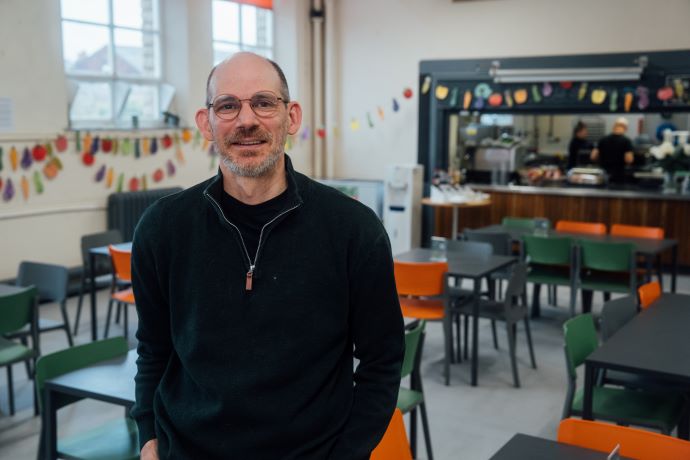
unLTD speaks to René Meijer, CEO of Sheffield-based social enterprise Food Works, about rethinking food waste, building community and how local businesses can get involved in a fairer food system.
For those unfamiliar with Food Works, can you briefly explain the organisation’s mission?
Food Works is building a fair and sustainable food system for everyone in Sheffield – one that takes care of our planet and our people.
You take an approach of combining sustainability, community and enterprise – how do you balance those elements in your day-to-day operations?
Our ‘Pay What You Can Afford’ principle is probably the most important element in that. For much of our food, we ask people for a contribution they determine themselves. This allows almost anyone to be a customer, regardless of their circumstances – and no one has to put their hand up for a handout.
If everyone can be kind and generous in their contributions, whatever that looks like within their means, it helps support us as a sustainable enterprise. That’s not always easy, but it’s a principle we really value.

The idea of ‘upcycling’ food is gaining traction, but you’ve been doing this for years – what have you learned about making food waste into a community asset?
What’s key to us is that waste is a verb, not a noun. Nothing is waste until it’s wasted.
The biggest lesson we’ve learned is how to value things – especially food. Value isn’t just about money; it’s about the potential something has to contribute to our lives, our communities or our planet. That’s the lens through which we approach everything, not just food.
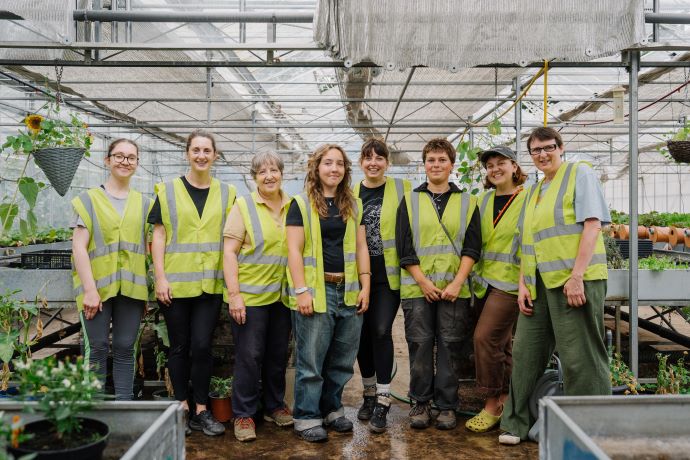
We find value in abandoned spaces (such as the Norton Nursery), in the spare time and skills people offer through volunteering, and in many other overlooked areas.
Another crucial element is the universal nature of food – we all eat. And food is not just about nutrition. Sharing food and being social over food is a fundamental part of being human. That’s why it’s such a powerful tool to (re)build communities.
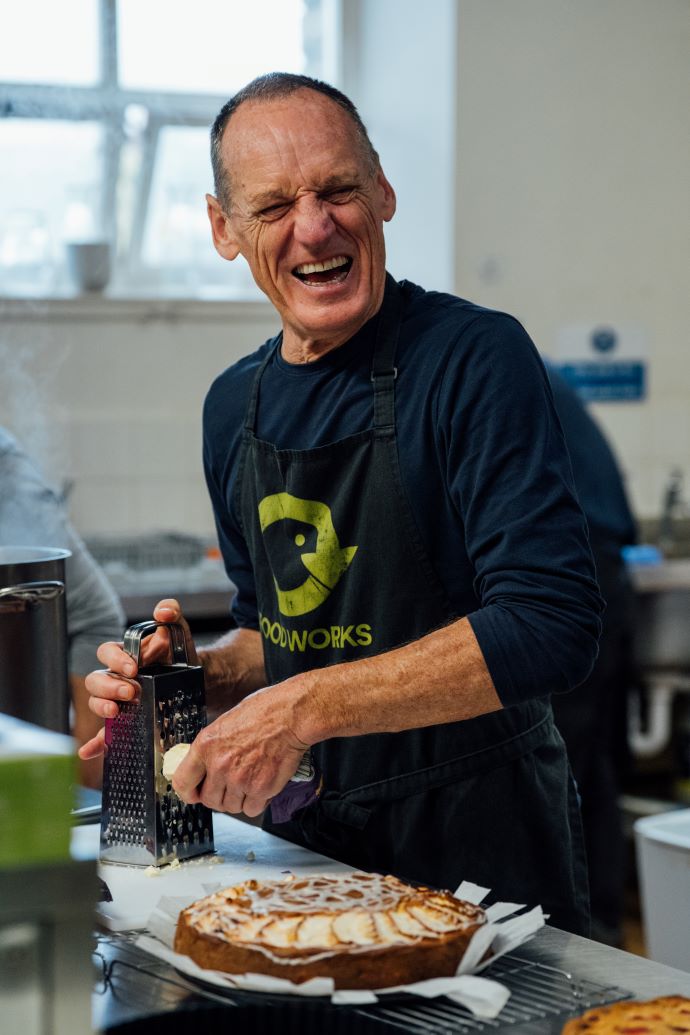
You offer volunteering opportunities and team days for businesses – what does that typically involve, and what kind of response have you had from corporate partners so far?
We’ve always had lots of requests from teams wanting to get involved with our mission, and it’s been great to finally make space for that this year.
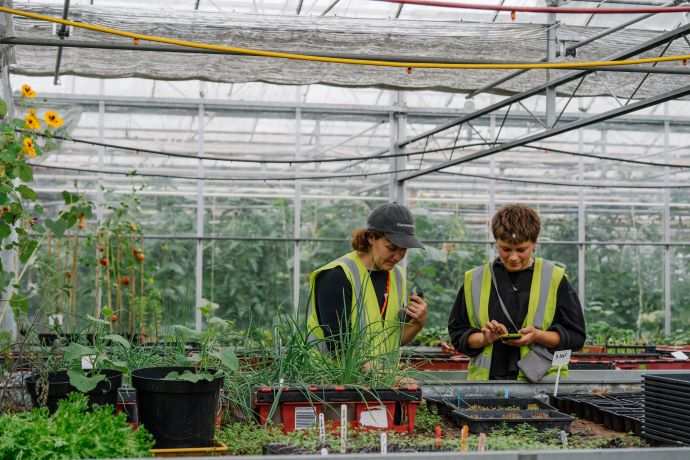
Several teams have joined us in different ways – some have taken part in batch cookery sessions to make large quantities of our community ready meals, while others have helped dig new beds and plant crops at our plant nursery.
It’s been really positive to engage with this whole new range of supporters, and we’ve already had teams coming back for seconds – and even thirds – so it clearly resonates.
What are the main ways businesses can get involved with Food Works – and what kind of support are you currently looking for in terms of sponsorship or partnership?
We’re always happy to work with businesses to find sponsorship opportunities that are meaningful to them. That said, there are a few areas where we’d love to make a bigger impact and which are especially easy to support:
School food growing – we’re on a mission to ensure every school has the opportunity to grow food with their pupils and parents. We can support any school in the region from just £250 per year. For some schools, that’s still a stretch – so businesses can sponsor one (or more) and we’ll deliver that support at no cost to them.
Holiday meals for kids - we provide free meals for children during every school holiday. A meal costs us around £2, so providing a hot meal throughout the full 13 weeks of school holidays costs about £150 per child per year.
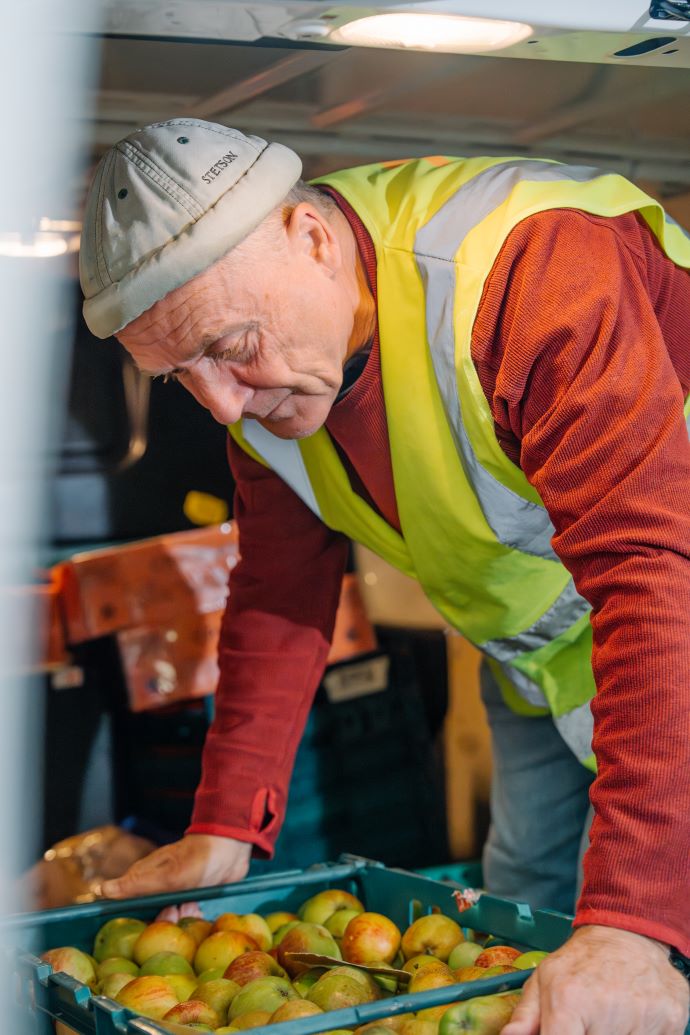
Electric vehicle sponsorship – our three electric vans collect food from across the region. Together, they help us save 500 tonnes of food from waste, provide the equivalent of one million meals, and prevent over 1,000 tonnes of carbon from entering the atmosphere.
Sponsoring a van costs £250 per month. If a business can commit to a year, we’ll brand the van to promote their support as we travel around the city.
Are there particular sectors or types of organisations you’re keen to work with at the moment?
We’re always keen to work with organisations in the food sector, particularly those that want to collaborate on redistributing or upcycling food. But ultimately, we want to work with everyone. Everyone eats – and everyone should have the opportunity to be part of a better food system.
What are your biggest priorities as we head into 2026 – and what does growth looklike for Food Works in the next few years?
We have two major priorities for the coming years:
Growing food – every neighbourhood in Sheffield and the wider region should have access to growing and eating nature-friendly food. We want to work with schools, community groups, allotmenteers and gardeners to help turn Sheffield into a city of growers.
Skills and workshops - we’re developing a range of workshops to help people reconnect with food – whether through cooking or growing – so that everyone can enjoy their food more, make better choices for their health, and reduce their environmental impact.
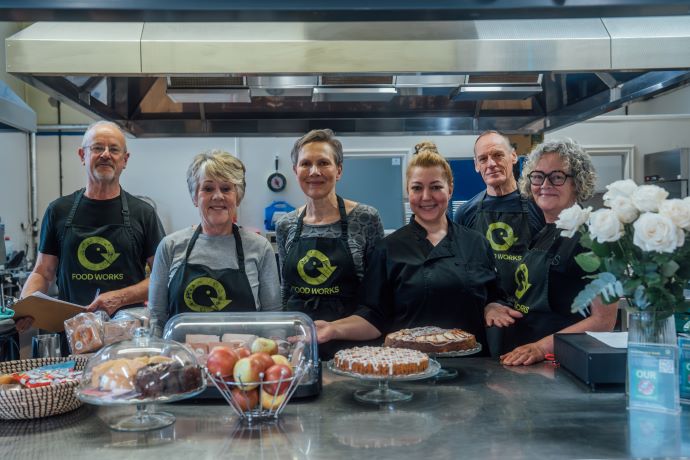
How can local businesses play a meaningful role in that journey – not just financially, but in terms of collaboration and shared purpose?
There’s a huge amount to do – and to learn – when it comes to growing food. The Norton Nursery still needs a great deal of skilled input: plumbing, better irrigation, rainwater capture and solar power are all on the list. Every growing site we support, whether directly or in partnership, will need help building beds and infrastructure.
We’re looking for skills, labour and advice – and also for partners with land they’d like to use, or that we can help them put to use.
On a completely different note, we’re also exploring how we could better use IT. Labelling meals is currently a very manual task. If we can automate some of that – or find ways to use tools like AI more effectively – it would make a significant difference.
For more on Food Works and how to get involved, visit: www.thefoodworks.org