
"If you want thriving communities with good cafés, pubs and places people actually want to spend time, the system has to support that.”, says Frazer Habershon, founder of Sheffield’s Frazer’s Coffee Roasters.
Running an independent hospitality business has never been easy, especially in the current climate. But for Frazer, the closure of his second venue was not the result of falling demand, poor planning or a lack of local support. Instead, he says, it came down to a system of business rates that left them facing an impossible financial shock.
“It takes a lot to really wind me up,” he tells unLTD. “I’m generally a glass-half-full kind of person. The journey is the fun bit in hospitality – there are always going to be challenges.” Yet the situation that ultimately forced the venue to close still leaves him deeply frustrated – not only for his own business, but for the wider hospitality sector.
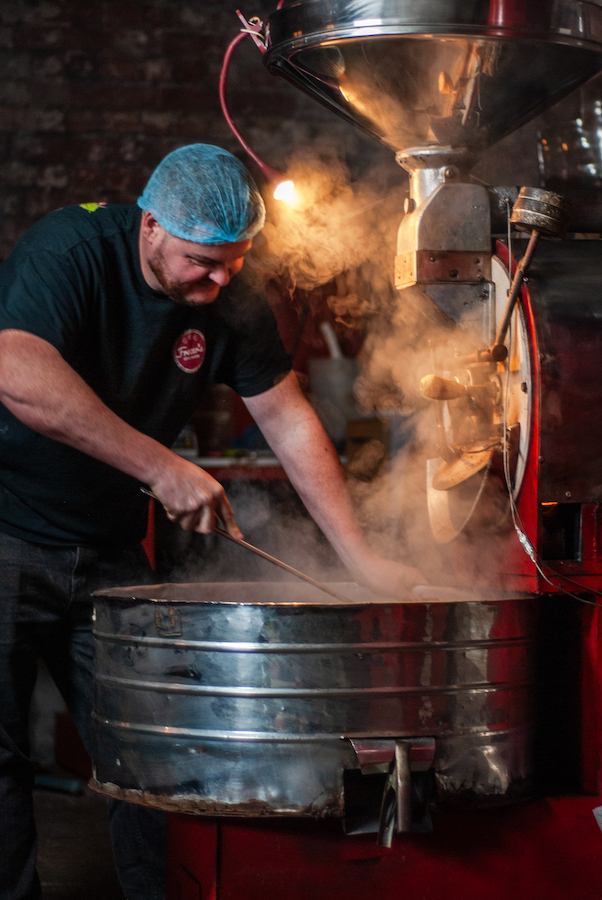
Their Ecclesfield site opened as a natural next step for the growing Sheffield coffee brand. With the city centre cafe-roastery and manufacturing side of the business performing well, Frazer began looking for a second retail location that wouldn’t conflict with places he already supplied with coffee. A vacant unit in north Sheffield was the perfect fit.
The building itself – a former bank – offered an interesting opportunity. With multiple windows across the frontage, he realised the layout could be adapted into a drive-thru concept. After a full refurbishment and a structured training programme for a newly recruited local team, they opened with ten staff and strong early momentum.

“The response was fantastic and trade was really positive. Everything was going swimmingly.”
At the time of opening, the property had a rateable value of around £15,000 – a figure the business had accounted for when planning the site. However, while reviewing the details of the valuation, Frazer noticed something that did not quite add up. Parts of the building included in the assessment – including the old bank vault – were spaces the business simply could not use.

Seeking clarity rather than confrontation, he eventually submitted a request to the Valuation Office Agency (VOA) for the property to be reassessed.
“We were only using about half of the internal space,” he explains. “You can’t put people in a vault. The idea was simply to make sure the property was being charged correctly.”
Inspectors visited the site, measured the building, took photographs, and the process appeared quite routine. There was a confidence the reassessment would result in a small reduction in the rateable value.
Instead, several months later, he received an email informing him that the valuation had been increased dramatically – to £49,250 – and that the change would be backdated to when the business first moved into the premises.
“There was no explanation, just an email saying the rateable value had gone up and it was being backdated.”
Because local authorities collect business rates based on VOA valuations, Sheffield City Council was required to pursue payment based on the revised figure. The backdating meant the drive-thru suddenly faced a bill of around £27,000 that needed to be paid within two months.
“If you don’t pay it, it goes to court and a bailiff order follows,” he explains. “That’s just how the system works. The council has to collect it.”
An appeal process was launched immediately, supported by local councillors, the area’s MP and the building’s landlord. But the system requires businesses to pay the disputed amount while the challenge is ongoing – something that placed the business under immediate financial pressure.
By that point, the site had been trading successfully for around ten months. Yet the sudden financial demand left Frazer facing a decision that many independent operators will recognise: whether to continue fighting a costly battle, or cut losses and protect the wider business.
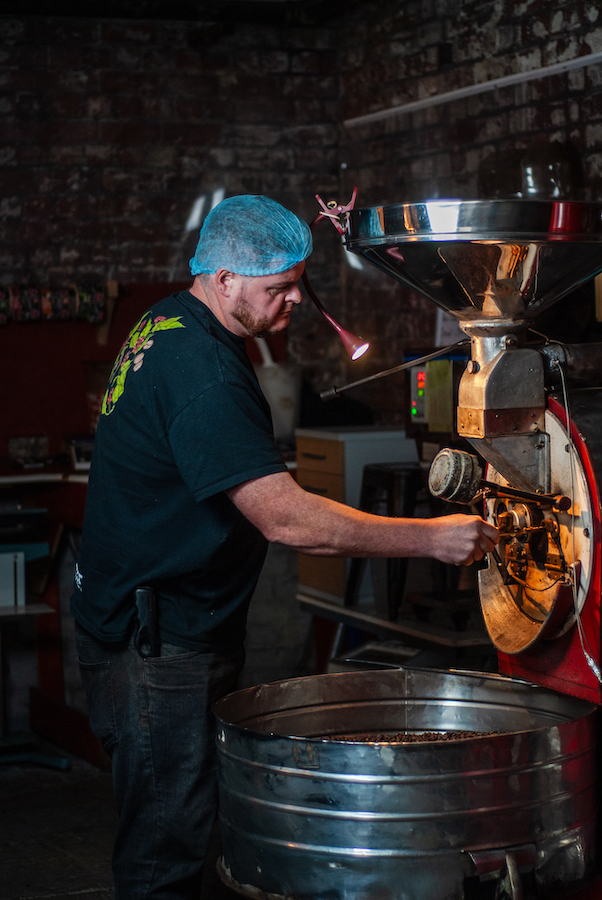
In December, he made the difficult decision to begin closing the site.
“You’ve got staff who have put blood, sweat and tears into the business every day,” he says, clearly still emotionally affected by the ordeal. “And it’s not because trade isn’t there. It’s because something lands out of nowhere and suddenly the numbers don’t work.”
The closure also brought wider financial implications. The business had signed a five-year lease, invested heavily in renovating the property and fitted it out specifically for the drive-thru concept.
“The hardest part is the knock-on effect. You’ve got the lease, the investment in the building, the equipment. There’s a lot tied up in making something like that work.”
Despite the setback, the core business and original site remains strong. The roastery continues to supply cafés across the region and the brand retains a loyal following.
“We’re not going anywhere,” he assures. “We’re a functioning business. We employ people, we pay our taxes and we’ve always had incredible support from Sheffield.”
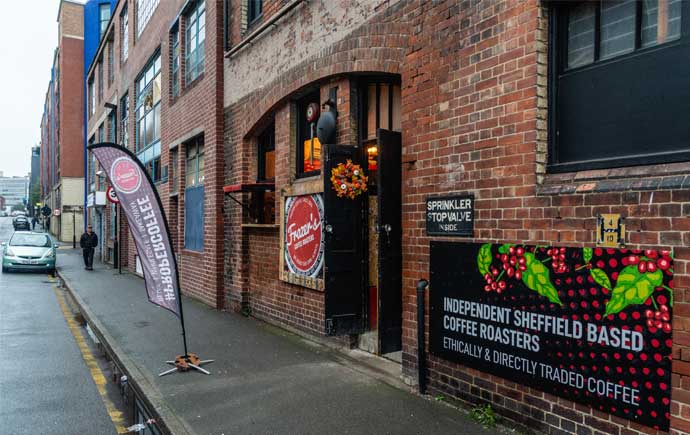
His frustration lies less with local authorities – which he says have been supportive throughout – and more with the structure of the national business rates system. Because valuations can be reassessed and backdated by up to three years, businesses can suddenly face liabilities they never anticipated when planning their operations.
“If you’re running a business properly, you forecast everything. Rent, wages, overheads – you build your plan around those numbers. Then someone can come along and say actually it’s three times that, and you’ve got two months to find the money.”
For him, one relatively simple safeguard could help prevent similar situations happening elsewhere. If rateable values increase beyond a certain threshold – for example 15% – he believes there should be an automatic internal review before the change is enforced.
“The damage it can do to a business is huge. There should be a trigger point where someone double-checks that decision before it lands.”
More broadly, Frazer worries about the long-term impact on high streets and local communities. Hospitality businesses, he argues, provide far more than just food and drink. They create employment, bring people into town centres and help shape the character of neighbourhoods.
“If you want communities with good cafés, pubs and places people actually want to spend time, the system has to support that,” he argues.
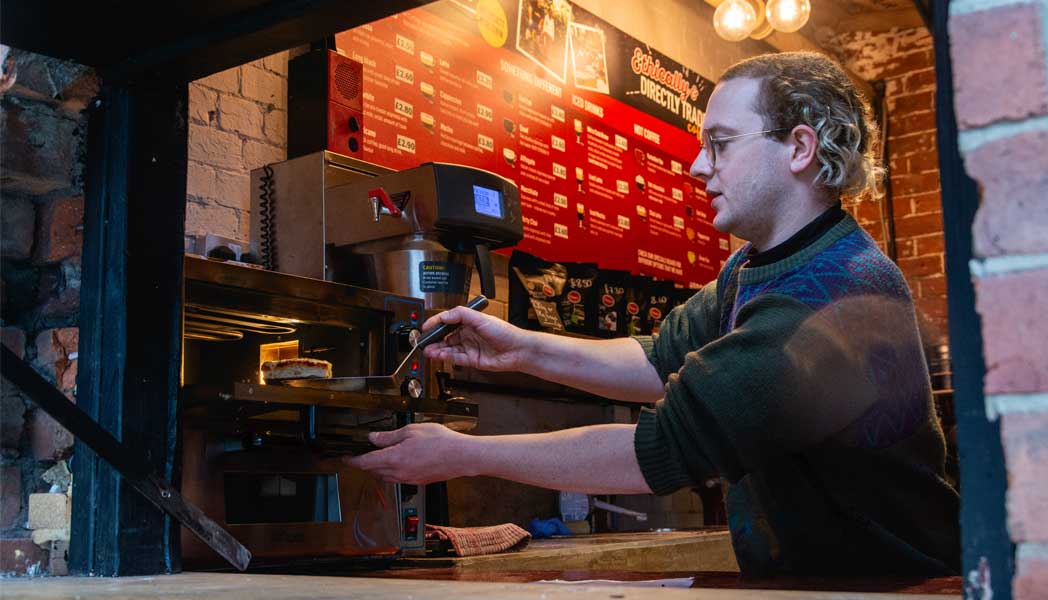
And while supporting local businesses will always matter, Frazer believes the conversation now needs to move beyond simply encouraging people to spend money.
“This isn’t a call for people to come and buy a coffee. That’s never been the problem. Sheffield has always supported us.”
Instead, he believes meaningful change will only come through pressure at a national level.
“If people want thriving high streets, they need to raise these issues with their MPs. Without significant policy change, more independents will disappear – and that won’t be because people didn’t care. It’ll be because the system made it impossible.”