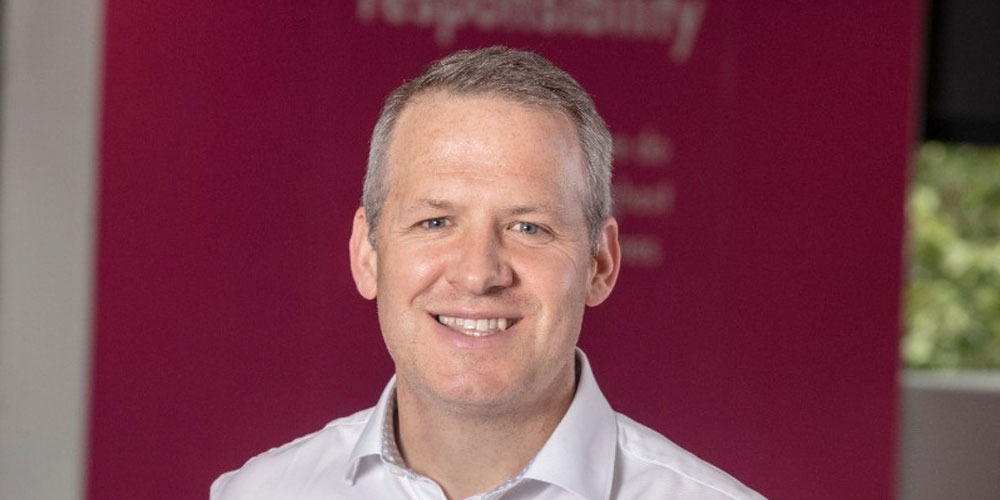
As Andy Burnham’s ‘Manchesterism’ agenda puts devolution and place-based growth firmly in focus, Matt Smith CBE, CEO of Key Fund, argues that social investment, smarter procurement and greater backing for social enterprises could help local authorities make devolved funding go further and build stronger local economies.
What would a ‘Manchesterism’-style approach mean across the North?
One of the main things is the devolution of power which will allow places to take control of their own destiny – often the solutions places need is within them. The second thing is good growth. We hope the new Government will have a refreshed focus on growth that drives positive outcomes, not just growth at any cost. It's about creating opportunities, jobs and outcomes that add value and enhance places.
Can place-based growth be delivered without stronger partnerships between combined authorities and social investors?
It could happen, but it would be a lot harder. Combined authorities need to use all the tools they have available to support good growth. Not just for growth, but also for efficiency of time and resource. Social investment should be seen as a valuable resource. It is also worth considering what the public sector is doing more broadly: Who is it buying from? Can we create more opportunities for SMEs as well as social enterprises? And can we encourage the private sector to think more carefully about how it buys, sells, and contributes to places?
How can social investors help combined authorities reach communities that traditional funding programmes often struggle to engage?

Communities in Yorkshire and the North have faced challenges for a long time. Less money circulates here than in other places, and traditional commercial models don't always work. That's where social enterprises can really make a difference. They're already embedded within communities and owned by local people – if we create the conditions for them to thrive, they can do more to aid good growth.
What role can partnerships between combined authorities and social investors play in strengthening growth and getting more from devolved funding?
Devolved funding is a huge opportunity, but combined authorities face challenging choices because there's much more to do than money available. To make resources go further, we must support social enterprises to build sustainable business models rather than relying solely on grants.
Grants can be vital for getting ideas off the ground, but repayable finance helps organisations grow for the long term. At Key Fund, we're a social enterprise that's been set up to enable the development of other successful social enterprises and with over 25 years of expertise, we know what can make or break an initiative. With the knowledge already there, combined authorities can use outlets like us to strengthen their social enterprises, their business models and create lasting impact.
Real change takes time, but by backing organisations with sustainable futures, we can help communities thrive beyond the next funding cycle.
What would success look like if combined authorities across the North made greater use of social investment, and what needs to change to make that happen?
Success would be seeing combined authorities across the region recognise social enterprises as part of the solution, especially when designing services and delivering impact. Social investment can help organisations grow and deliver, but it only works where there are sustainable trading models.
That's why enabling social enterprises to trade more would be a game changer. The more organisations that are trading, the more they will need social investment, helping to drive growth by creating market opportunities. Government, local authorities and the wider public and private sectors all have a role to play by creating more opportunities for social enterprises to win contracts, grow their income, and deliver lasting impact in their communities.