
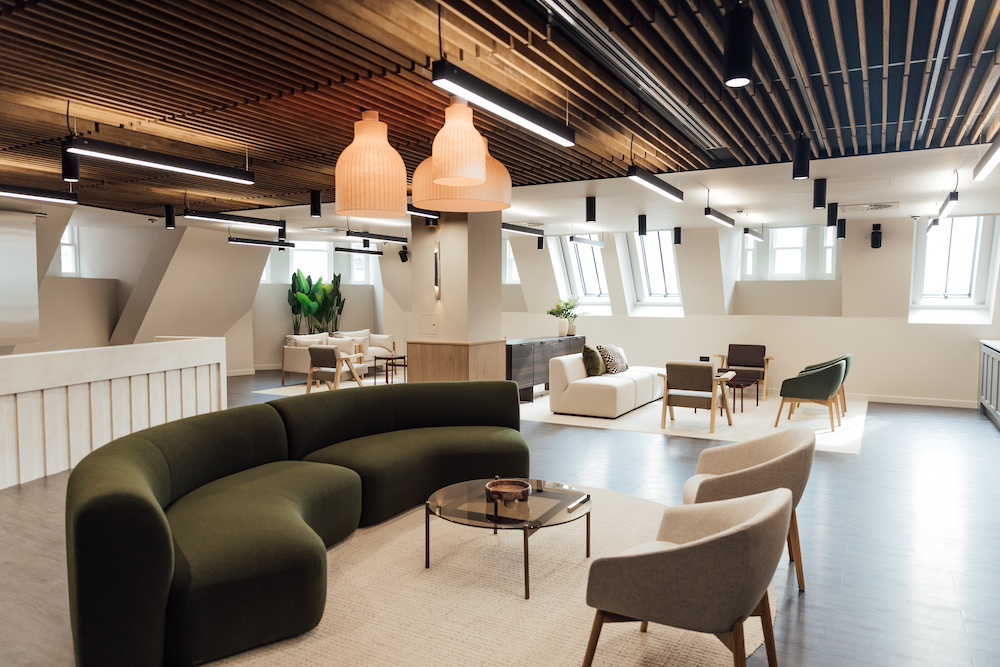
Taylor Emmet’s new Sheffield office opened last month, bringing a fresh approach to working life into a historic city centre building. We take a closer look at the thinking behind the move.
For a law firm with around 150 years of history, finding a new home means considering how the space can reflect its heritage while supporting its future. At Taylor Emmet’s new offices in the Isaacs Building, that balance runs through everything from the architecture to the places where colleagues stop for a coffee.
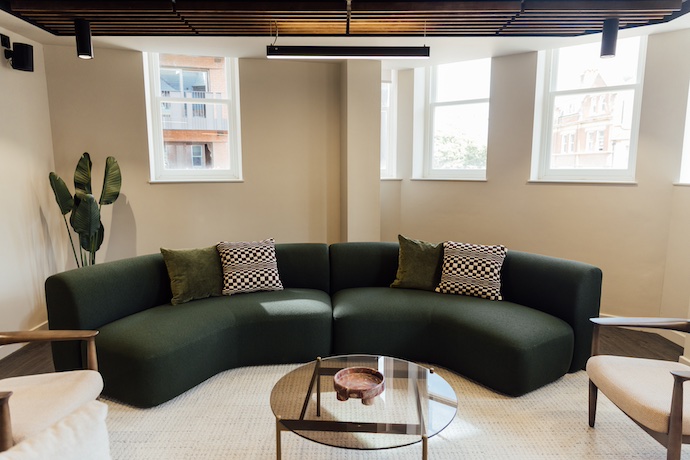
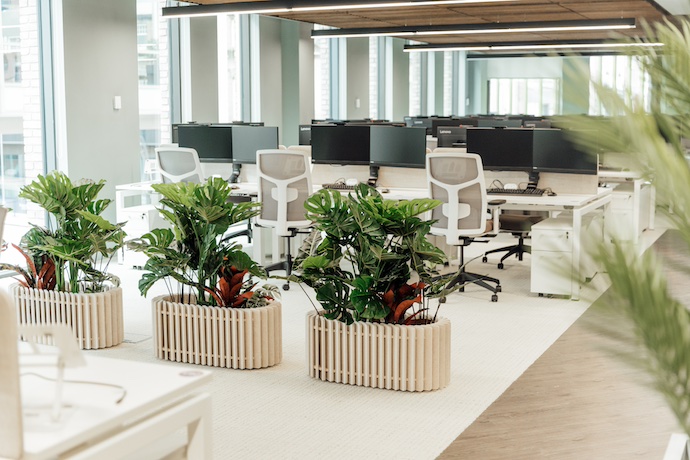
Opened last month, the 14,885 sq ft workspace provides room for 150 desks and 16 meeting rooms. It also reduces the firm’s overall office footprint by 7,040 sq ft, making more efficient use of space while supporting a flexible approach to working.
The setting brings its own story. Built between 1904 and 1905 by wallpaper merchant David Isaacs, the seven-storey Edwardian building retains its distinctive brick and terracotta façade as part of Sheffield’s Heart of the City redevelopment.
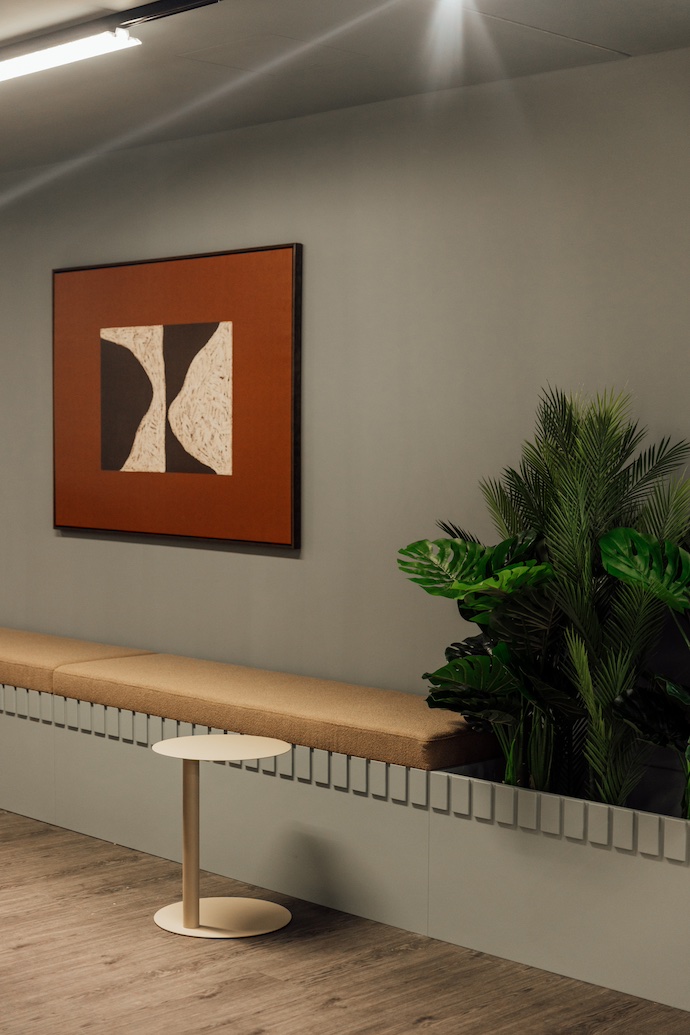
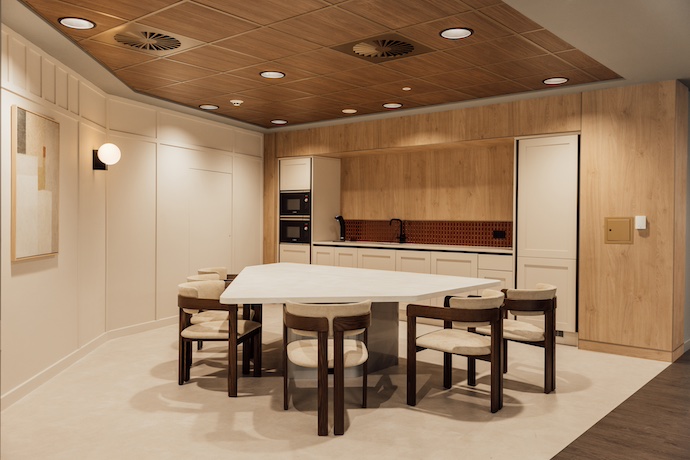
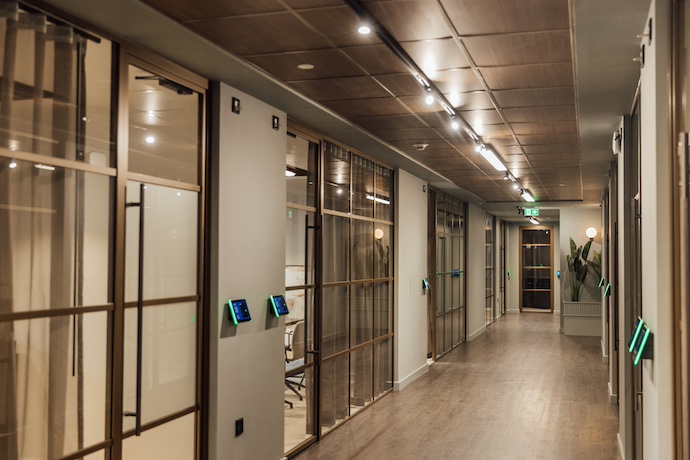
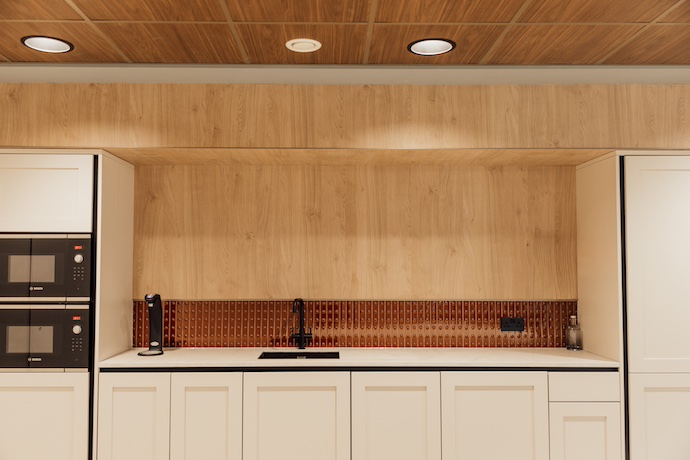
Inside, natural wood, dark timber and soft furnishings create a warm, contemporary feel, with plants, large windows and skylights adding greenery and natural light. Open-plan desks sit alongside informal seating and breakout spaces, giving staff different settings for focused work or catching up with colleagues.


A REASON TO COME TOGETHER
For chief executive Steve Hinshelwood, the move represents confidence in Sheffield and Taylor Emmet’s continued growth. He spoke to unLTD about why the office needed a clear purpose.
What prompted the move to the Isaacs Building?
This move has been around 18 to 20 months in the making. Finding the right location was important, but the bigger consideration was finding a workplace that supports the business we are today – and the business we want to become.
We are an established Sheffield firm with a history stretching back around 150 years, but we also have an increasingly regional and national outlook. Being in the heart of the city reflects that.
What made the building the right fit?
The Isaacs Building brings together heritage and modern working space. There is something particularly fitting about that for a business like ours. We wanted to respect the history of the building while creating an environment that works for a modern professional services firm.
It gives us a city centre presence that reflects our ambitions while bringing together our own heritage with a modern approach to working.
How do you create an office people want to come into?
I don’t think you can solve that simply by telling people they need to be in the office. You have to give them a reason to want to be there.
For us, that means creating an environment where people can collaborate, learn from each other and build relationships. Some of the most valuable conversations aren’t the ones that appear in a diary. They happen when people from different teams cross paths, grab a coffee or share an idea.
We have seen through our other office developments that spaces encouraging that interaction help teams collaborate more effectively and develop stronger relationships across the business. Culture doesn’t happen by accident.
How did the client experience shape the space?
Professional services businesses are built on relationships. Technology means we can conduct a meeting from almost anywhere, but there is still real value in sitting down with a client face to face, particularly when discussing something important.
We wanted spaces that accommodate different conversations – from formal meetings to informal discussions, group sessions and meetings with referral partners. The aim was somewhere welcoming and professional, but also flexible.
What should businesses ask themselves about their workplaces?
The more important question is: what is the office actually there to achieve?
It needs to support collaboration, help build culture and facilitate client relationships. It also needs to reflect the organisation’s identity and ambitions, and make people feel that coming together adds something they can’t get working remotely.
How will you measure the success of the move?
The real measure won’t be how the building looks. It will be what happens inside it.
If our people feel engaged, connected and proud to work here, and our clients feel it is somewhere they want to spend time with us, we will have achieved what we set out to do.
Rather than asking whether the office is still relevant, businesses should be asking: how can we make it relevant?
To find out more about Taylor Emmet and its services, visit tayloremmet.co.uk.