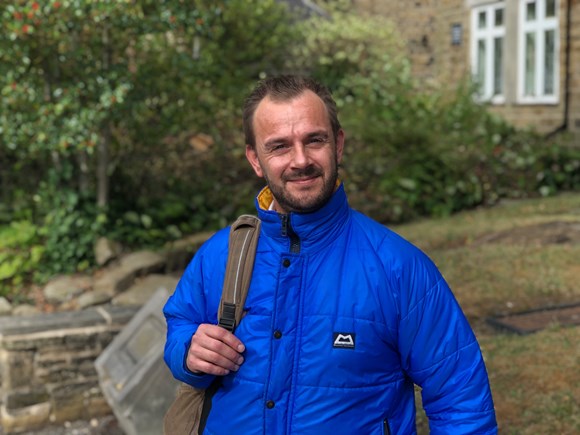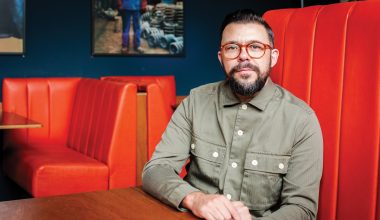
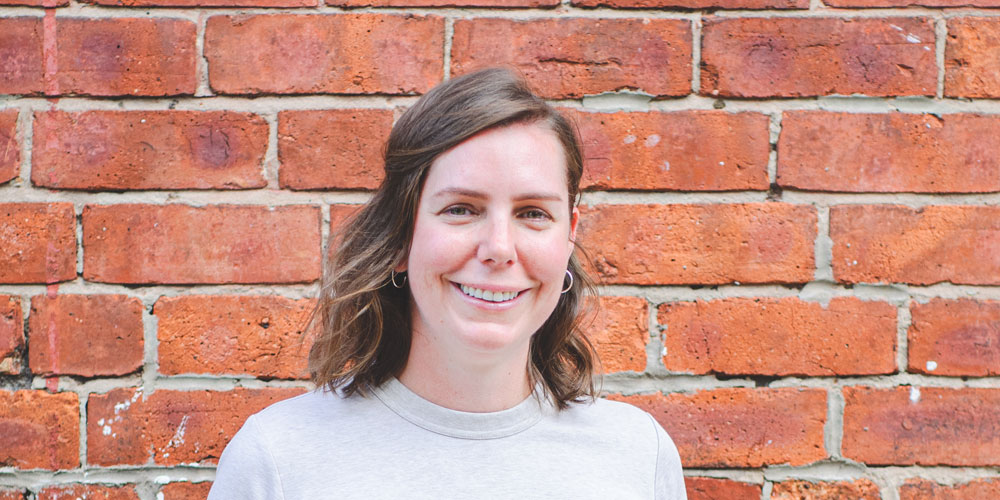
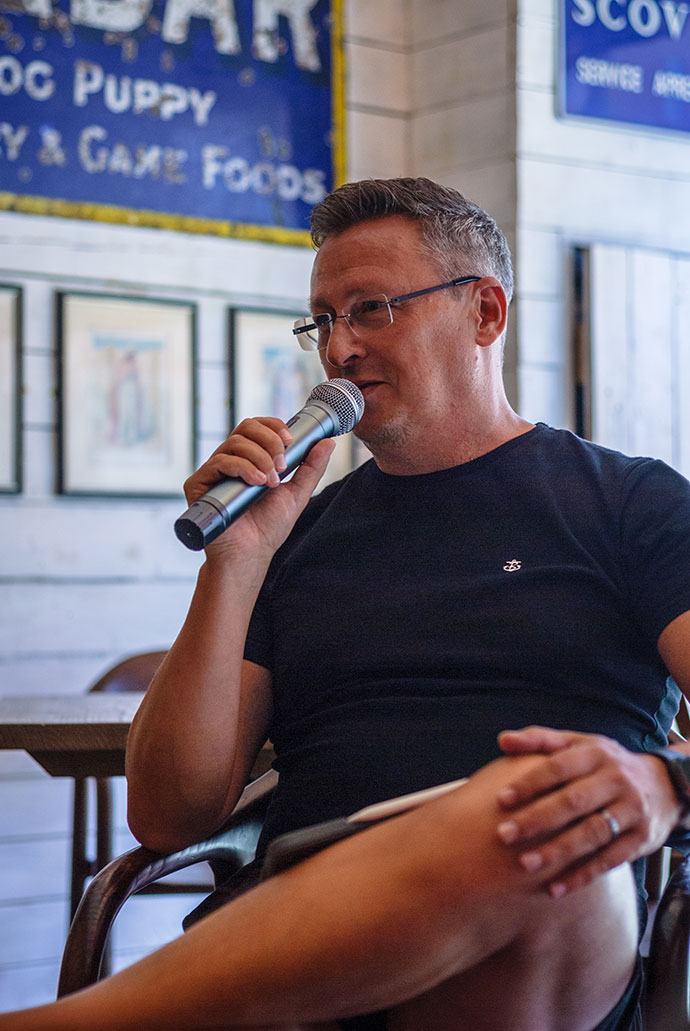
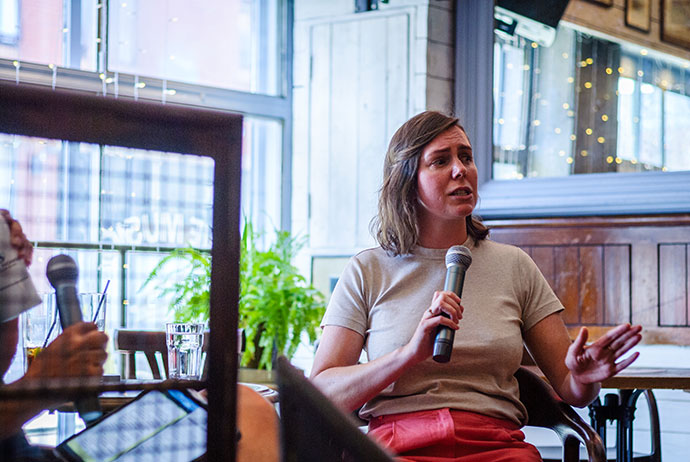
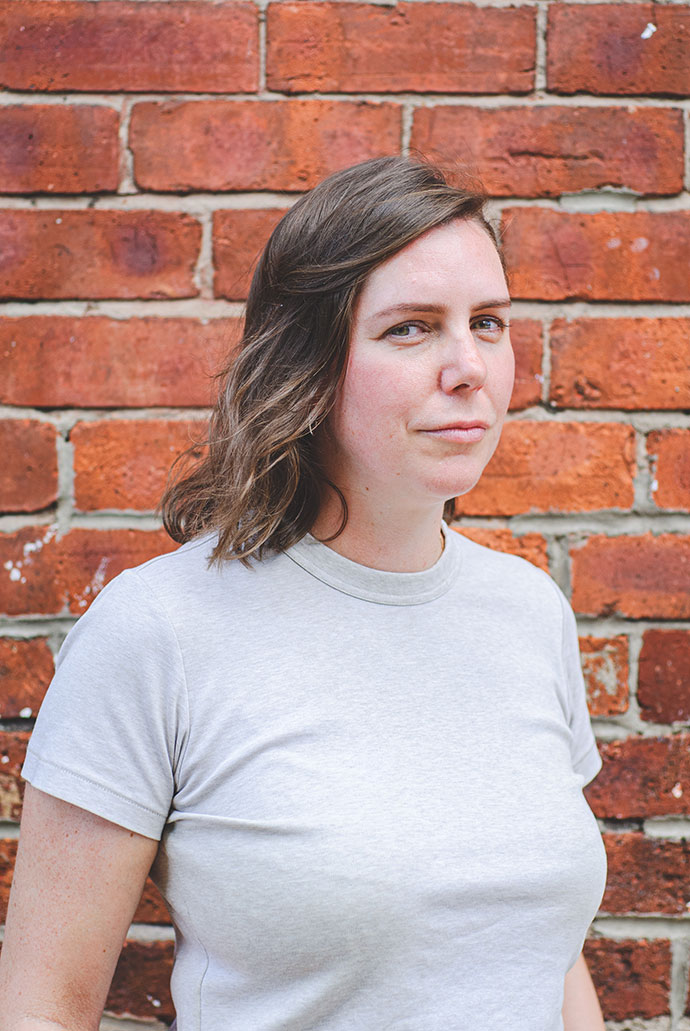
The latest episode of The Inside Track was recorded live at The Forum, where Russ Thompson sat down with Nicola Towse, founder and CEO of Sheffield tech startup Risqly.
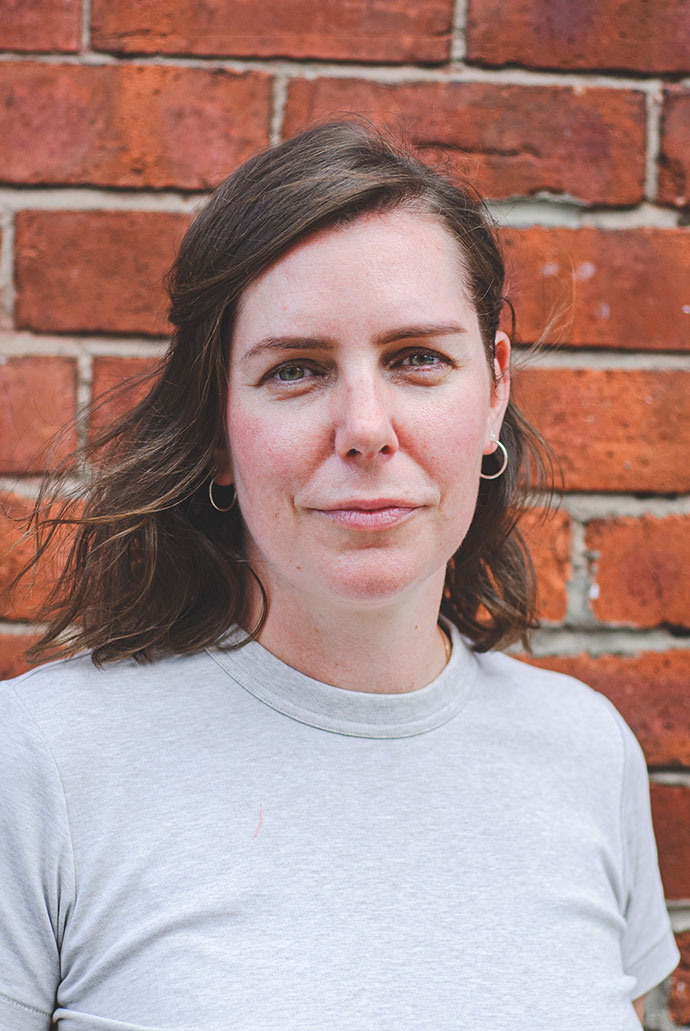
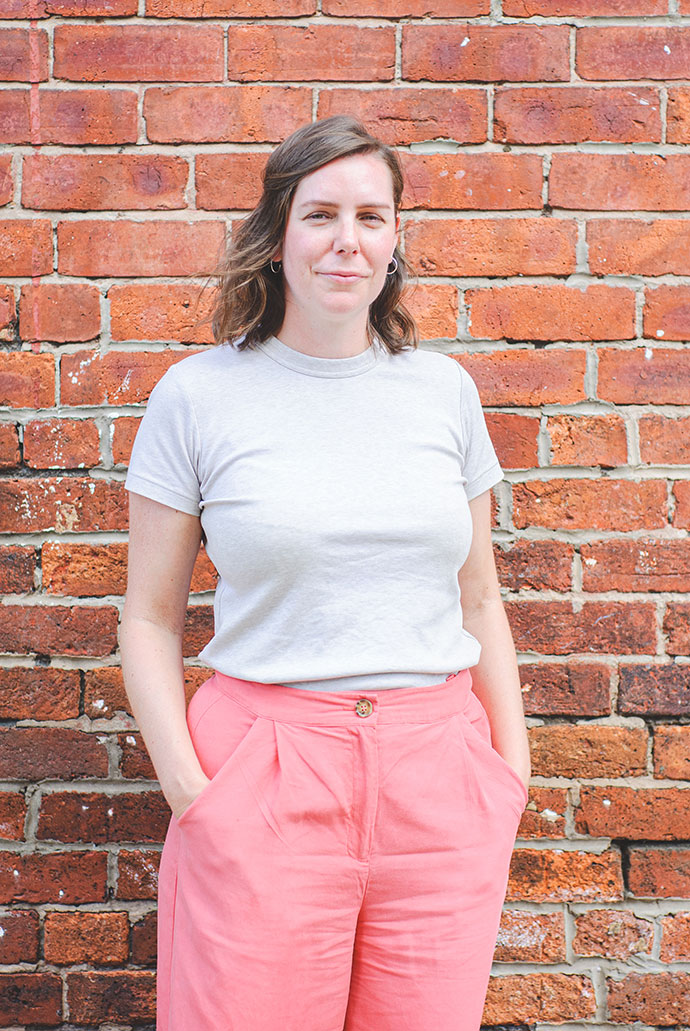
A founder on Sheffield Tech Parks' Cooper Project and a member of TECH SY's FoundHERy cohort, Nicola is building a business designed to help organisations spot customer problems before they become significant issues. Away from the startup world, she's also training as a death doula, an experience that has shaped her views on communication and resilience.
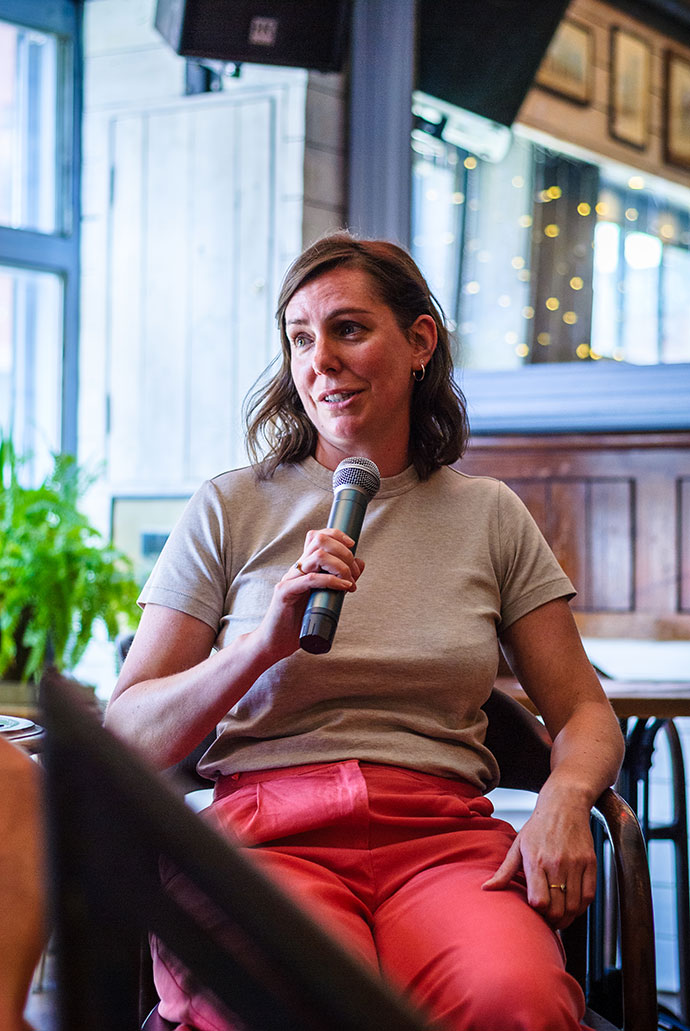
Here's the conversation as it happened, covering everything from travelling the world and finding her way back to Sheffield, to building a tech startup, supporting people at the end of life, and why tackling difficult conversations early can make all the difference.
Nicola, welcome to The Inside Track. Tell us about yourself. What’s your story? What has brought you to where you are today?
I’m from Sheffield and grew up in Stradbroke, although most people don’t know where that is, so I usually just say Handsworth. I went to Sheffield Hallam University, studied History and, when I was 21, decided I didn’t really want a “proper” job, so I went travelling. I told my family I'd go away for a year. That one year turned into six and a half years, with six years spent living in Australia, where I ended up running a Great Barrier Reef company.
Eventually I came back to the UK. Unfortunately, there aren’t many Great Barrier Reefs in Handsworth! You can probably go snorkelling at Rother Valley if you really want to, but it’s not quite the same.
When I came back, I worked for Sheffield Hallam University where, interestingly, I met my husband, although we didn't actually date while we worked together. In fact, we were just friends at the time!
After that I joined Procter & Gamble, where I spent ten years, eventually becoming a Senior Strategy Planning Manager.
Last year, whether it was turning 40 or simply asking myself some bigger life questions, I realised I was happy but not fulfilled in my role. Around the same time, two things happened. Firstly, I decided I wanted to train as a death doula and enrolled on the course. Secondly, I found out my role at Procter & Gamble was being made redundant.
Around that time, I decided it was finally time to start a technology business. That’s really how I ended up where I am today.
You’ve already mentioned Australia, becoming a death doula and launching a tech company. There are so many different parts to your story. One question I ask everyone is about those “sliding doors” moments in life. I think everybody has at least one. Looking at your journey, you’ve probably got several. Is there one that really stands out?
There are quite a few, but the biggest one for me was coming back from Australia. I never expected to settle back in the UK. I thought I was coming home for about three months before deciding where else to live.
I took a temporary job, really enjoyed it, and they kept extending my contract. I spent time looking at opportunities in London and even considered moving to the Middle East, but nothing quite felt right.
I’m a big believer in trusting your instincts and following what feels right. If I’d made a different decision then, I wouldn’t have met my husband and I wouldn’t have started the business. Looking back, that really was a huge sliding doors moment.
So what actually brought you back?
My family, mainly. I grew up with my mum, who was a single parent, and my nan played a huge part in bringing me up.
One of my cousins came to stay with me in Australia for three months. It was after she left that I suddenly felt this real pull to come home. I’m so grateful I listened to that feeling because it gave me precious time with my family.
I was able to travel with my mum, our relationship changed as we both got older, and I was able to care for my nan towards the end of her life. Those are memories I wouldn’t swap for anything.
You mentioned becoming a death doula. Was caring for your nan part of what inspired that?
Absolutely. Within about two years I experienced six deaths around me. Some were close family and some weren’t, but each one had an impact. When my nan was diagnosed with terminal cancer I went to therapy because I found it incredibly difficult. I felt guilty when I wasn’t with her, but heartbroken when I was.
Therapy helped me learn how to be the best granddaughter I could be. It meant I could support her properly, even helping to plan her funeral, something my mum and aunt found too difficult emotionally.
Although she had a very difficult death, I now see it as one of the greatest lessons she ever gave me. It made me realise how much support people need at the end of life and how often they don’t receive it.
For anyone who doesn’t know, what is a death doula?
It’s a non-medical role where you’re there to support someone who is dying and the people around them. That support can be practical, emotional and spiritual.
It’s about understanding what matters to that individual. Have they got a will? Do they have a lasting power of attorney? Have they had the conversations they want to have?
Sometimes it’s simply being an independent person they can talk to about things they don’t feel comfortable discussing with family.
It’s also about helping people think about how they want to die. Death has become very medicalised and often happens in hospital, away from home. We ask questions like: what would make you feel comfortable? What sounds or smells would you like around you? What legacy do you want to leave? Legacy sounds like a huge word, but it could simply be leaving letters, a photo album or recordings for loved ones.
It sounds like emotional intelligence plays a huge part in that role.
It definitely does. You have to be able to read the room and understand not only the person who is dying but everyone around them.
Some of that can be developed, but for me it started very young. My mum was diagnosed with cancer when I was eight, and she still has cancer today. Thankfully it's not terminal, but from being a child I became one of her carers. From a young age I learned to read situations, understand how she was feeling and respond accordingly.
That must have been a huge responsibility.
It was, but when something has always been part of your life it becomes normal. It was just the two of us, so you get on with it.
Because of that, I probably became more of the parent at times. I joke that I have a 63-year-old child.
It’s interesting because, on the surface, a death doula and the CEO of a technology company seem like two completely different worlds. But are there common threads?
Definitely. As CEO of Risqly, I spend a lot of time understanding customers, listening carefully and adapting quickly. That’s exactly the same when supporting someone at the end of life. You have to listen, understand what they need and respond.
The common themes throughout my life are people, communication and care.
Community also seems to be incredibly important to you.
It really is. I’ve always volunteered and been involved in community projects.
One of the things I support is Dignity in Dying, helping people understand the choices available to them at the end of life. I also volunteer with SCCCC’s Good Neighbour Scheme, because I genuinely believe communities become stronger when people help one another.
One thing I’ve noticed about carers is they’re often brilliant at looking after everyone else but not themselves. How do you look after yourself?
Honestly? I don’t always get it right.
Being outside is incredibly important to me. Walking, hiking and simply being in nature helps me reset.
At the end of last year, I took a month for myself and went hiking in New Zealand. I’d gone from redundancy straight into starting two completely new careers and I needed to reconnect with myself. Being somewhere so vast reminded me that life isn’t all about me, even though today I’m sat on stage talking about myself!
Let’s talk about Risqly. Lots of people know what a CRM is, but you’re trying to solve a slightly different problem.
My co-founder had worked in software for years and kept seeing the same issue. Businesses were using lots of different sys tems, subscriptions and spreadsheets. Their customer health data was fragmented across all of them, and no one had a clear, unified picture of what was happening.
People were drowning in information but couldn’t actually use it to make better decisions.
That's what Risqly is designed to solve - we pull CRM, billing and product usage data into one place and turn it into a single customer health score, so CS and RevOps teams can see which accounts are at risk before they churn.
There’s almost a human cost to not having that clarity.
Exactly. We’ve been working with businesses that are growing quickly, but leadership doesn’t always have a clear view of what’s happening in sales. Investors want answers, sales teams become frustrated and nobody has a complete picture.
Ultimately, we’re trying to help people make better decisions with better information.
You’ve also been heavily involved with Sheffield’s technology ecosystem.
I’ve been really fortunate.
Soon after leaving my job, I joined the Cooper Project at Sheffield Technology Parks. They provide mentoring, workshops, introductions and support that’s invaluable when you’re starting a business.
I’ve also joined TechSY’s Female Founders Accelerator, which has been fantastic. It’s about helping women build confidence, develop their businesses and support each other.
There are still relatively few women in technology, so building that network is really important.
You’ve also become an ambassador for a number of initiatives. Tell us about that.
Mostly because I’m incredibly curious!
I love finding out what people are doing and then connecting them with other people who might help.
Sometimes being an ambassador isn’t about standing on stage. It’s simply about remembering opportunities and introducing the right people when you’re in the right room.
Helping somebody else doesn’t reduce my opportunities. If anything, it creates more opportunities for everyone.
For me, thing I think your story demonstrates is embracing change. Lots of people find change difficult, but you actually seem to thrive on it.
I actually enjoy change. I don’t like standing still.
I think I’m kinder to myself when I’m learning something new because I don’t expect perfection. If I’ve been doing something for years, I can be quite critical of myself, but when I’m learning I accept that mistakes are part of the process.
Life has involved a lot of change, so I think I’ve become comfortable with uncertainty.
COVID was difficult because I’m naturally extroverted and get energy from people. During that time I spent a lot of time learning the piano. I wasn’t very good, but it gave me something positive to focus on.
Looking back over the last couple of years, what are you most proud of?
Starting the business, without question.
Someone asked me recently how happy I am now compared with being employed, and honestly this is the happiest I’ve ever been.
Being made redundant turned out to be one of the best things that ever happened to me. People assumed I’d be devastated after ten years with the company, but my reaction was, “You’ve just paid me to follow my dream.”
That redundancy gave me the opportunity to retrain, start Risqly and completely change my life.
Looking ahead, what excites you most?
Building something meaningful.
We’re still at that exciting stage where we’re testing ideas, learning quickly and asking, “What could this become?”
Five years from now I’d love Risqly to be making a real difference, but what excites me just as much are the people I haven’t met yet, the conversations I’ll have and the opportunities that don’t even exist today.
We always finish with the same question. If you could create one rule that everybody in the world had to follow, what would it be?
I'd stop people watching videos on their phones while walking down the street! If you're not looking up, your phone should audibly 'boo' you until you do - so you're forced to look where you're going instead of your screen.
Find out more at https://risqly.com.