Few figures in British politics have become as closely associated with the North as Andy Burnham. After an undeniably fruitful stint as Mayor of Greater Manchester, where he built a reputation for championing devolution, public transport reform and securing investment, he is now on the brink of entering Downing Street.
At the time of writing, Burnham has secured the backing of 322 Labour MPs in the first round of leadership nominations, leaving him just one supporter short of the point at which it would become mathematically impossible for a rival to enter the contest. With no other candidate expected to stand, he looks set to be confirmed as Labour leader next week before becoming prime minister on 20 July.
His arrival would represent more than a change of leadership. For many, it signals the strongest indication yet that the political and economic focus of government could shift beyond London and the Southeast. Burnham has long argued that cities and regions outside the capital deserve greater powers, and his record in Greater Manchester suggests he will bring that perspective to the highest office.
What remains less clear is exactly how that philosophy will translate into national government. Beyond broad commitments to regional growth and economic renewal, many of the details of Burnham's programme have yet to emerge. What kind of economic agenda is likely to define his premiership? Which policies could have the greatest impact on businesses across South Yorkshire? And what are local business leaders hoping to see from a government led by the self-styled "King of the North"? In this feature, we explore the potential direction of travel and ask voices from across the region for their verdict.

TOM WOLFENDEN, CEO SHEFFIELD TECHNOLOGY PARKS
The prospect of Andy Burnham becoming Prime Minister should give Sheffield and the wider North some confidence.
“Manchesterism” may be the slogan, but the idea behind it matters more: stronger local powers. Decisions made closer to the places they affect. Northern cities working together rather than being pitched against one another.

For a few years, people have talked about the emerging 'Northern Triangle' of Manchester, Leeds and Sheffield. Taken together we have real scale in these cities. There are major universities, strong business bases, deep industrial expertise and a population that compares with much larger conurbations elsewhere.
But even within that triangle, Sheffield has a far lower GVA per hectare than Manchester or Leeds. Those local imbalances matter. A northern growth strategy can't just mean backing the places already moving fastest. It also needs to help cities like Sheffield turn their strengths in research, advanced manufacturing, technology and innovation into more jobs, more investment and higher productivity.
In saying this, I don’t want to slow down progress elsewhere. It is about giving people across the North confidence that their potential is recognised, and backing up the restless northern instinct to get things done with proper commitments.
That means better connections between our cities, more meaningful devolution and long-term investment rather than short funding rounds and recycled announcements.
And bluntly it means money. Lots of it. Because the whole country benefits when the North is able to grow.

SARA PATEL, EMPLOYMENT LAWYER, IRWIN MITCHELL SOLICITORS
As South Yorkshire looks ahead to a new Prime Minister, what local businesses are crying out for isn't political point-scoring. It's certainty. Businesses can adapt to change, but they need to know what's coming next so they can focus on growth, creating jobs and investing in the economy.
From an employment law perspective, it's important that workers' rights remain high on the agenda. Most employers I work with want to do the right thing by their people. The challenge is making sure any reforms are practical and proportionate, particularly for the SMEs that make up the backbone of our local economy.
Across Sheffield and South Yorkshire, we're home to some world-class manufacturers, engineers and innovative businesses. They operate in competitive markets and need the flexibility to respond quickly to changing demands. New laws should support growth and good jobs, not create unnecessary complexity or discourage employers from taking on staff.
I'd also like to see the new government focus on skills, workforce wellbeing and helping employers develop local talent. We have incredible strengths here, and with the right support, there's a real opportunity to help businesses thrive.
Above all, the government should work with businesses rather than simply regulate them. The most effective employment laws are those that protect workers while remaining practical for employers to implement. If the new PM can strike that balance, there's every reason to be optimistic. South Yorkshire has a strong business community, a highly skilled workforce and a proud history of innovation. With the right leadership and a clear plan for growth, our region has every opportunity to build on its strengths and continue attracting investment and creating opportunities.
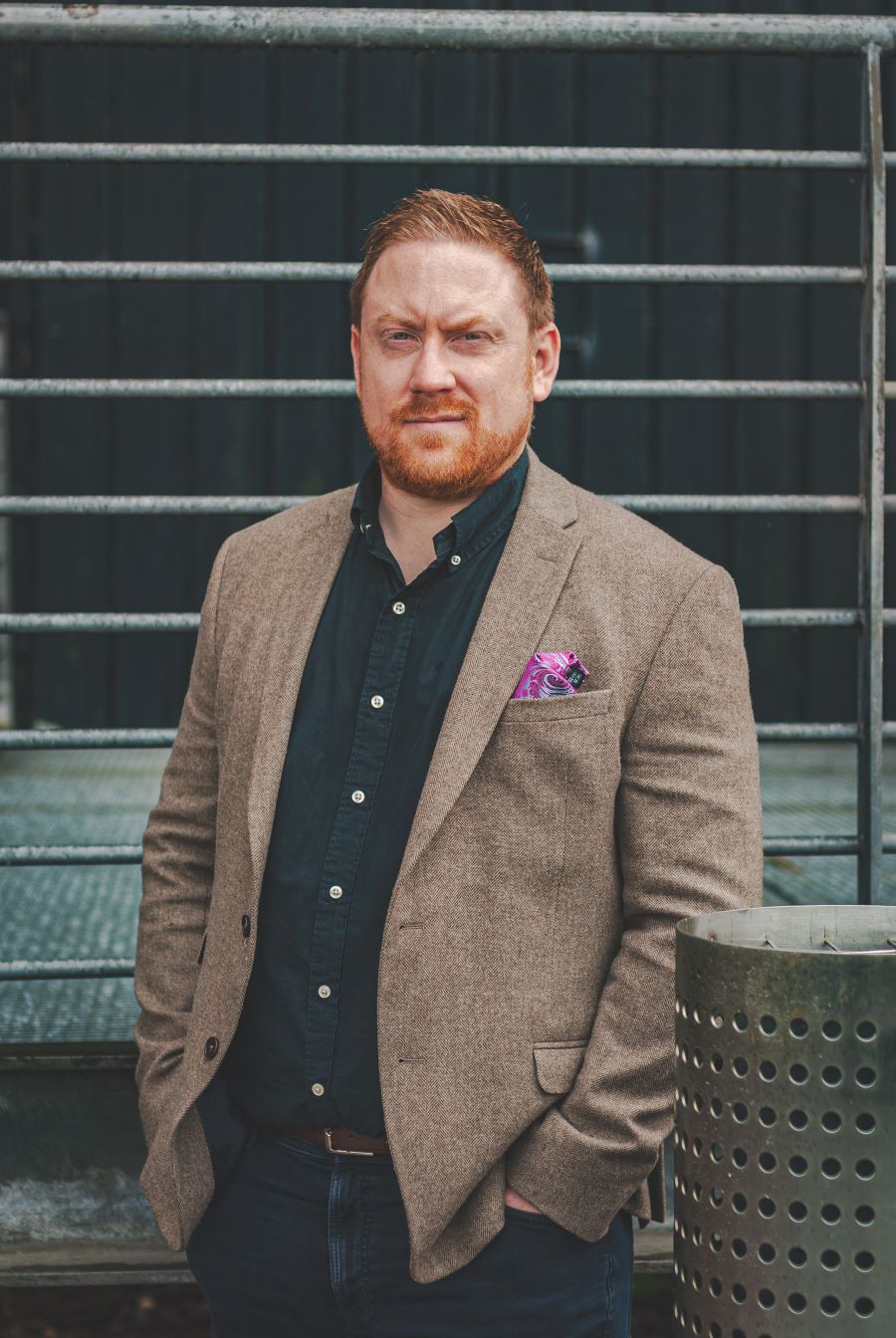
PETE SHILLITO, FOUNDER, SHILLITO GROUP AND SHILLITO EXECUTIVE SEARCH
I think Andy Burnham is coming into what is a very difficult job. He can’t really move too far from the Labour Manifesto as only a very small amount of the country voted for him and he wasn’t an MP when Labour won the election.
I’d like to see a new prime minister do something to address the flatlining business confidence across the UK, which is close to falling back to record low numbers.
We need a pro-business prime minister who sees the challenges facing companies across the UK and can offer solutions to some of the biggest issues.
Employment has stalled, job numbers are falling month-on-month and the business case for employing new staff, including apprentices, has been weakened.
Over the last two years, the government mantra has been all about growth, but those leading businesses feel they have been hampered at every turn.
Whether that be from increased energy costs, the implementation of the Employee Rights Bill, tax raises or the new steel tariffs coming into effect this month.
Business shouldn’t be a dirty word and everyone agrees that growth is good for the country, so I’d love to see those running businesses being given a bit of assistance to unlock the spending, provide the employment – and the growth – that the country desperately needs.
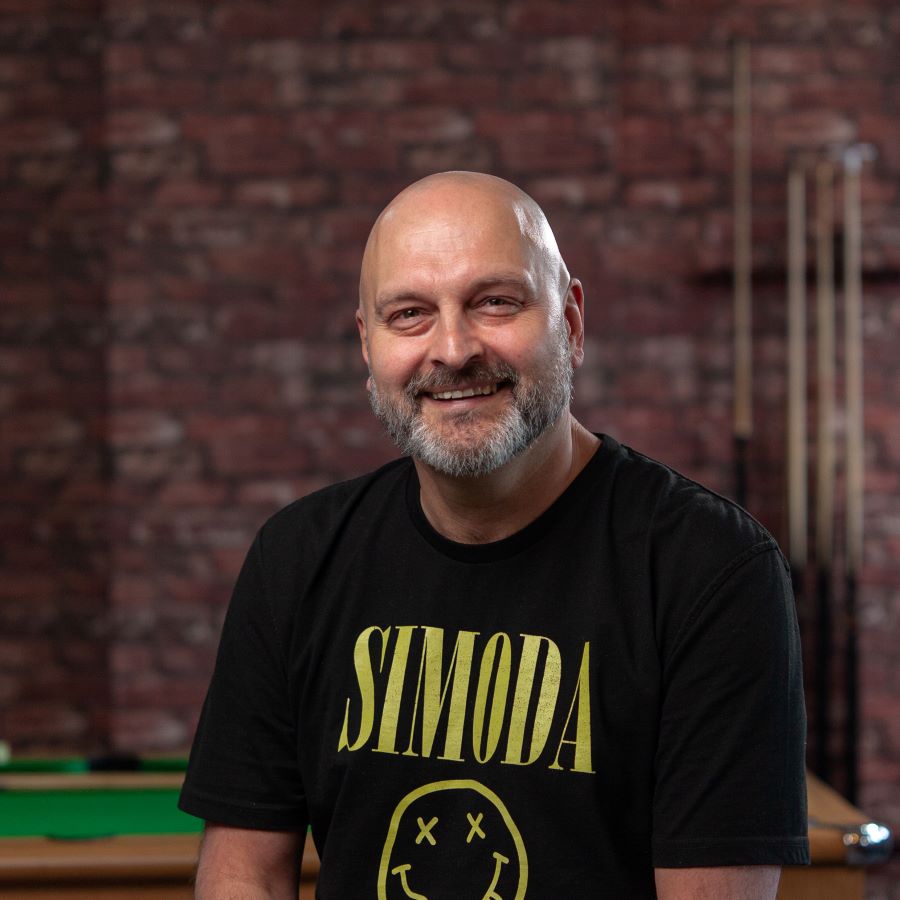
DANIEL BUMBY, MANAGING DIRECTOR, SIMODA
The UK is entering a period where leadership matters more than politics. Businesses across the country are dealing with rapid change, economic uncertainty, skills shortages and the biggest technology shift we've seen in a generation through AI. Whoever leads the country next has an opportunity to help create confidence and clarity at a time when many organisations are looking for both.
From my perspective, I don't think businesses are asking for handouts or quick fixes. What they want is stability, a clear direction of travel and the confidence to invest. The UK, and especially South Yorkshire, has incredible talent, innovation and entrepreneurial spirit.
I'd like to see a PM focused on productivity, skills and technology adoption. If we want to improve living standards and compete globally, we need to help embrace digital transformation, remove barriers to growth and create an environment where investment is encouraged. AI and automation have the potential to unlock significant economic value, particularly for SMEs that make up the backbone of our economy.
For the technology sector, the priority should be helping organisations move beyond simply buying technology and towards genuinely using it to achieve better outcomes. Technology should improve productivity, customer experience and profitability, not just add cost and complexity.
Ultimately, the UK's success won't come from political promises alone. It will come from creating the conditions for businesses to innovate, invest and grow.
However, every new prime minister comes in with promises they ultimately can't keep.
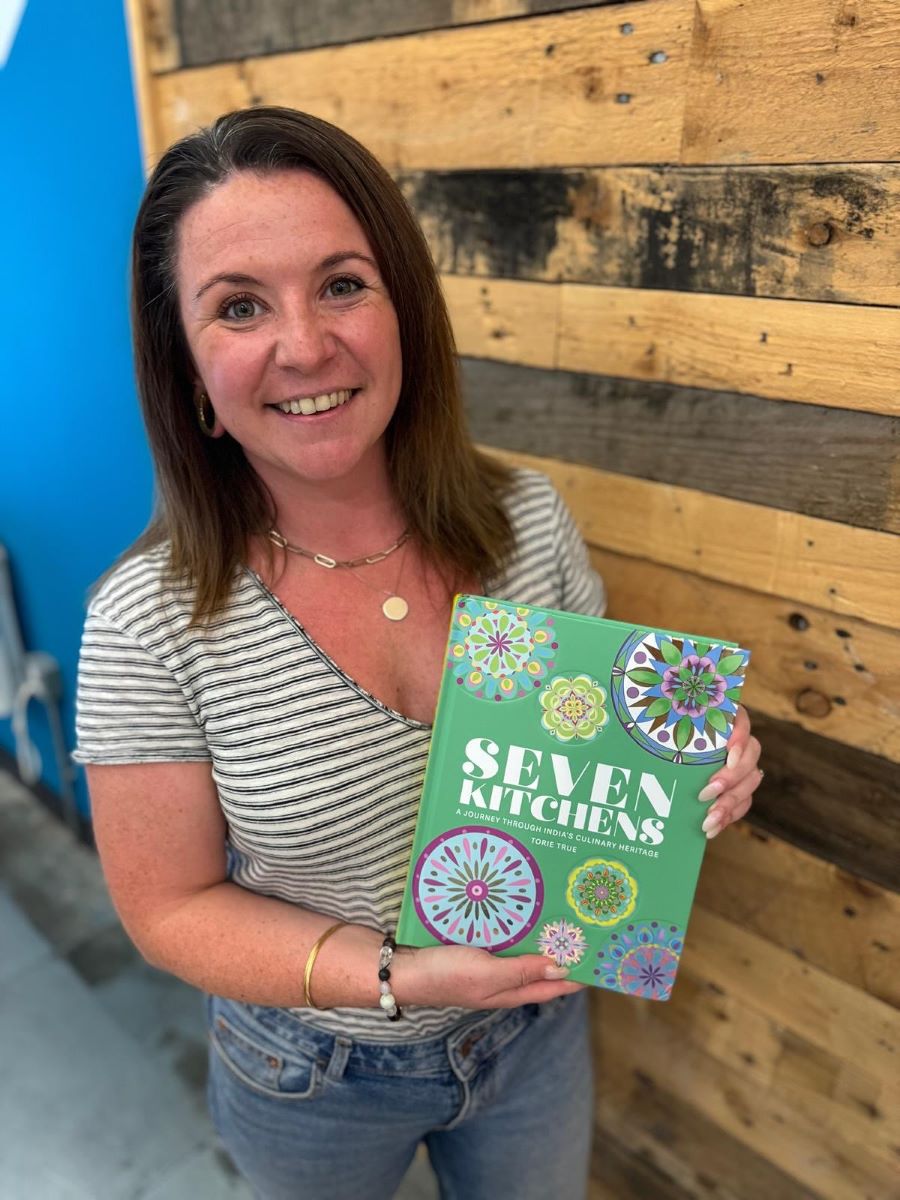
EMMA TOOGOOD-WORTHAM, PUBLISHING AND RETAIL MANAGER, MEZE PUBLISHING
I'm really excited to see a fellow Northerner in No 10. It's encouraging to hear Andy Burnham talking about shifting more political focus to the North. While a lot of the discussion may be Manchester-centric, I'm hopeful that the benefits will extend to places like Sheffield too, which can only be a positive businesses across the region.
From a publishing perspective, one of the biggest challenges we've faced since Brexit has been shipping books overseas. Our titles are available worldwide and, before Brexit, sending books to Europe was relatively straightforward. Now, whether we're sending a single book to a customer or larger consignments to warehouses, we're dealing with import VAT, customs charges and a significant amount of additional paperwork.
One area I'd love to see addressed is the simplification of trading arrangements with Europe. If Burnham could push for more streamlined agreements for UK businesses exporting goods, it would make a real difference. Reducing bureaucracy and making it easier to trade with European wholesalers and retailers would benefit businesses across many sectors.
We've had to learn an entirely new set of rules in a very short space of time. Every country has slightly different requirements, and the straightforward process we once had no longer exists. Anything that simplifies exporting and cuts unnecessary admin would be hugely welcomed.
Beyond that, I share the hopes of many for tackling the cost of living and making everyday life more affordable. It'll be interesting to see what the future holds, but I'm pleased to see a Northerner in charge and hope we see positive change for our region.
LUKE JAMES, TAX DIRECTOR, GRAVITATE
You’d think the UK was used to fiscal whiplash by now, with multiple budgets, shifting thresholds and the lingering effects of pandemic-era debt. It has all felt quite chaotic.
Tax professionals will be hopeful that Andy Burnham’s arrival brings positive, proactive change. Not necessarily lower taxes, but smarter ones.
It’s been so long since we had genuine stability that we’ve almost forgotten what it feels like. The South Yorkshire business community isn’t asking for handouts, just a fair opportunity to plan for long-term growth. When capital gains tax treatment can change overnight, or R&D relief rules shift repeatedly, the cost goes beyond the financial. Problems become systemic and operational.
The fiscal devolution conversation is exciting in theory. For local businesses, the most meaningful change would be genuine rate-setting powers for mayors, allowing regions to set their own rates rather than simply redistributing Westminster’s decisions. Done well, this creates real skin in the game. Done badly, it risks a postcode lottery favouring already well-resourced regions.
What concerns me is the rumoured alignment of CGT rates with income tax combined with proposals to remove the market value uplift on death.
Currently, inherited assets are reset to probate value for CGT purposes. Remove that, and beneficiaries would bear the deceased’s original cost instead, resulting in a vastly higher CGT bill on eventual sale, further compounded by any rate rise. For some families and business owners, this could be severe.
Above all, I’d like a PM who treats the tax system as infrastructure, not theatre. Tax should be our most powerful tool for building the stable economy that businesses and individuals deserve.

ANDREW LOFTHOUSE, THE NORTHERN WINE GUY AND B:FRIEND AMBASSADOR
The momentum is certainly with Andy Burnham, and through his initial conversations he appears keen to establish a new precedent by leading a government based in the North.
My concern, however, is that anyone taking office mid-term means doing so under an existing party manifesto. Coupled with tight public finances and the obvious constraints on changing direction halfway through a parliamentary term, I remain somewhat sceptical about how much meaningful change can realistically be delivered.
On the one hand, it's encouraging that the North has a stronger voice in government, led by someone who understands the region's challenges and opportunities. On the other hand, without having been elected on a manifesto of his own, it does feel slightly anticlimactic.
The hospitality sector, for example, needs meaningful reform, particularly around VAT, to help businesses facing continued financial pressure. The third sector, including charities and not-for-profit organisations, also requires greater government support, especially given the pressures on the NHS and the vital role these organisations play in supporting communities that might otherwise fall through the cracks.
Overall, I'm pleased to see Burnham in the hot seat. Whether he can deliver the scale of change many people are hoping for remains to be seen. For now, the jury is still very much out.
MARK SHIPLEY, MANAGING DIRECTOR, FENTI
As a marketing agency, we work across a wide range of sectors, from leisure and construction to manufacturing and healthcare. That gives us a first-hand view of how the wider economy influences the decisions businesses make every day.
When companies are optimistic about the future, they invest in new websites, advertising, recruitment and expansion. When confidence falls, those plans are often put on hold. Marketing is frequently one of the first budgets to be reduced, not because businesses question its value, but because they need to keep an eye on spending.
The past 18 months have been challenging for many SMEs, particularly with rising employment costs and increases in National Insurance. While we recognise the pressures facing government, measures that ease the burden on businesses enable them to reinvest and contribute to the economy.
Burnham's ambition to strengthen the North is encouraging. Organisations across South Yorkshire face different challenges from those in London, so giving leaders more influence over policies affecting their local economies would be a positive step.
We're also pleased to see hospitality recognised as a priority. Many of our clients operate in the sector, and measures such as reducing business rates for pubs and venues could make a big difference.
We'd like to see a government that gives businesses the stability and confidence to invest for the future. When companies are able to move forward with certainty, they create jobs, support local supply chains and strengthen communities. That's good for individual businesses, agencies like ours and the wider economy.