
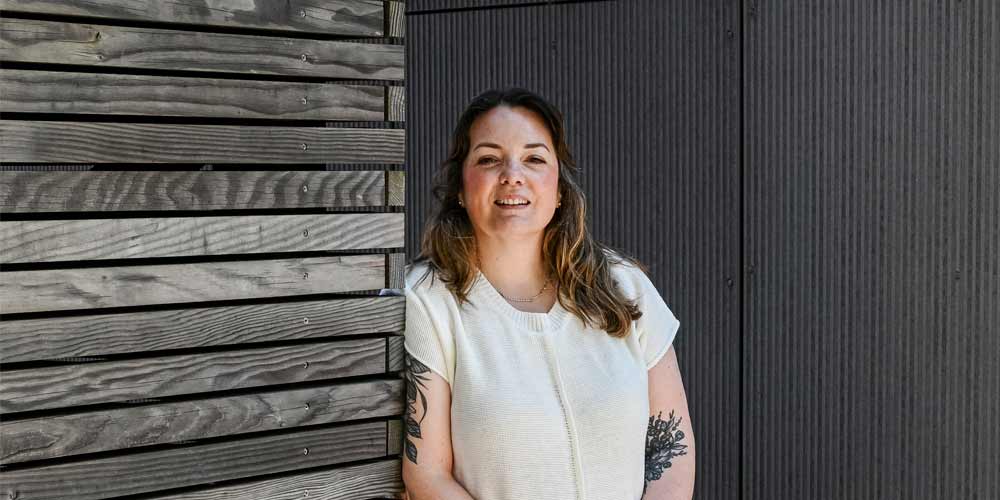
Growing a business usually means adding people. But without the right thought behind who those people are, how they are managed and what keeps them engaged, growth can quickly become another problem for an already stretched founder. The People Keeper founder Maritsa Inglessis talks to unLTD about escaping the founder bottleneck, why retention is rarely just about money and what businesses can learn from a part-time jungle DJ.
For many founders, the business they end up running bears surprisingly little resemblance to the one they imagined starting. The freedom that came with being their own boss gradually disappears, working hours creep upwards and recruitment becomes something done hurriedly between client meetings and deadlines. Somewhere along the way, weekend activities with loved ones becomes another opportunity to mentally run through Monday morning’s problems.
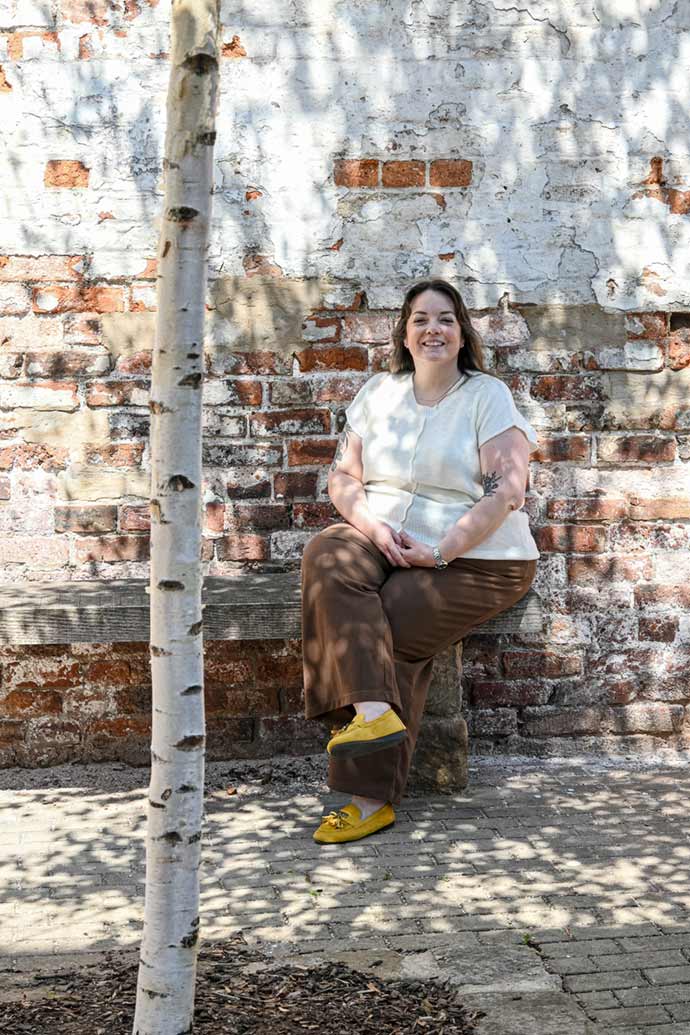
It is a pattern Maritsa Inglessis has encountered repeatedly through The People Keeper, the people operations consultancy she founded in December 2023.
“I’ve had people say to me, ‘Look, I get to spend time with my family on a Sunday, but I’m not really there. I’m in the business,’” she tells unLTD over a Teams call.
Her clients are typically owner-led businesses with anything from no employees at all to teams of around 50. What links them is less their sector or size than the feeling that something is preventing them from getting where they want to go.

“They’re trying to grow, but they don’t know what that growth looks like,” she explains. “They’ll have a revenue target in their mind, but when it comes to who they’ll need and the team they’ll need to build to deliver that revenue target, they don’t know.”
The result can be a founder wearing so many hats they are no longer entirely sure which ones they should be wearing. When demand increases, the obvious response is to recruit, but Maritsa says that urgency can take precedence over considering exactly what the business needs.
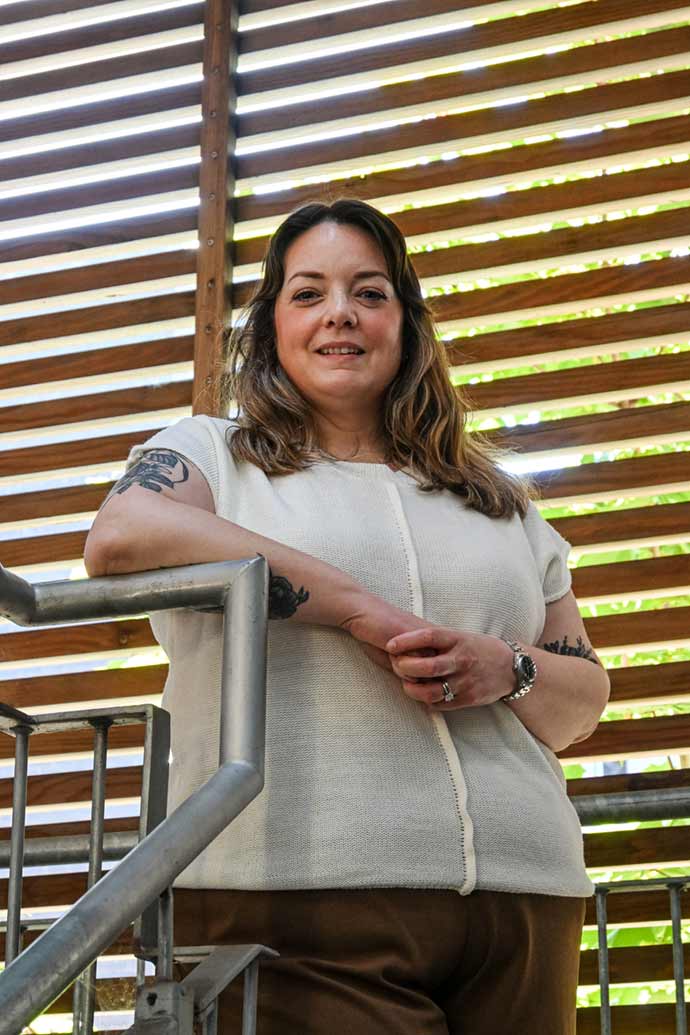
“You just bring people in because you need the numbers, but then it’s done without thought. What you end up with is a team that isn’t really cohesive and isn’t working towards the same goal.”
Other businesses arrive at The People Keeper with a different symptom: the revolving door. People join, stay for a while and leave, forcing the business to spend time and money replacing them, only for the cycle to begin again. At the other end of the scale are founders preparing to employ somebody for the first time, or those who have successfully built teams but have never had much support in learning how to manage them.
Maritsa knows the latter situation particularly well after a career spent in HR, including interim roles and experience inside large corporate organisations. She has seen technically gifted people progress into management without necessarily being given the tools to deal with the very different demands of leading a team.
“Owners and founders often come from a corporate environment, and what happens in those is that people are promoted on technical skill because they’re really technically competent. What tends to fall by the wayside is the support on how to manage and lead people.
“When they have to move from that role of founder, where they’re the technical expert and they’ve done everything, into leading a team, they sometimes don’t know how to make that shift.”

Despite that background, Maritsa avoids describing herself as an HR consultant, partly because of the baggage she feels has become attached to the profession. HR, she argues, is too often associated with compliance, disciplinary procedures and what she calls the “stick approach”, when looking after employees and running a commercially successful business need not be opposing objectives.
“You can do the right thing by your employees and get commercial value from that. It’s the age-old thing: if you look after your people, they’ll look after you.
“When your people are enjoying themselves, they’re skipping into work on a Monday and they haven’t got the Sunday scaries, that’s actually a really positive thing for you as an owner.”
Contracts, policies and compliant recruitment processes are still part of the picture, particularly for young businesses taking on employees for the first time. Depending on the client, The People Keeper can put those foundations in place, create recruitment processes, train managers and provide coaching, but the starting point is understanding what the founder is actually trying to achieve and then working backwards to establish the team needed to make it possible.

Maritsa is not a recruiter and does not source candidates. Her role is to help the business work out who it actually needs before the vacancy goes anywhere near a jobs board. Rather than beginning with “I think I need an administrator”, she asks why the founder has reached that conclusion: “What needs doing? How should the job be done? What behaviours does the role require? Does somebody need to work independently from home, deal confidently with customers or influence colleagues across a team?”
Once those questions have been answered, the job description and advert can be built around something more substantial than a vague sense that the business needs another pair of hands. Maritsa then helps employers think through the interview itself, including what they need to ask, how answers will be assessed and whether a practical task would give a better indication of somebody’s ability to do the job. The intention is to retain room for human judgement while giving employers something more objective than “they seemed OK” on which to base the decision.
The same thinking extends into retention. One of the assumptions Maritsa is particularly keen to challenge is that people primarily leave jobs because another employer has offered them more money.
“One of the myths I like debunking about staff retention is that it’s not about money. A lot of people come to me and say, ‘They left for a better offer.’ I help them be that better offer, so they don’t even need to start looking in the first place.
“A lot of it is around that feeling of uncertainty – not knowing how I contribute, not knowing if I’m doing a good enough job, not knowing what else is available for me. The money thing doesn’t even come into it, really.”
Creating an environment where people can have open conversations and trust that what they say will be heard is therefore an important part of her work. When a business has developed a revolving door, she will look for the cause rather than immediately reaching for another perk or pay rise. Staff data might reveal that the problem is concentrated in one department, around a particular role or within a certain management structure; workshops and one-to-one conversations can then help uncover what is happening behind the numbers.
One business Maritsa worked with around two and a half years ago provides a particularly stark example of how those people problems can feed directly into the finances. The company had two directors and four employees but had experienced four resignations during the previous year.
“I did some numbers and it was basically costing them between £50,000 and £75,000 in a year, just through that revolving door.”

The People Keeper worked with the company for three months and, as far as she is aware, nobody has left in the two and a half years since.
“So I’ve saved them about £150,000 at least. The ROI is well over 1,000 per cent.”
The work also helped address the issue that had initially prompted one of the directors to contact her: he wanted to step back from the company but could not see how to do it. With some of the underlying issues resolved, he has since been able to become less involved in its day-to-day running, something that ties into another recurring problem among the founders Maritsa meets.
As a business develops organically, its owner has usually been responsible for almost everything at some stage. Even after marketing, delivery, finance or administration have been handed to other people, letting go can prove surprisingly difficult, particularly when the founder has spent years being the person with the final say.
“Because it’s their baby, they might feel that they know better or struggle to let go. If they do let go, sometimes they don’t do it very well and they still keep checking.”
Delegation in those circumstances become about more than distributing a list of jobs. Maritsa encourages founders to examine what they are reluctant to hand over, what they fear might happen if they do and how those risks could be managed. Often, the owner has never been taught how to delegate or manage effectively in the first place, even though the business has reached a stage where its ability to grow depends on them doing both.

None of this, she stresses, requires a growing SME to turn itself into a miniature corporate bureaucracy. Her years working within large organisations have shown her useful examples of management training, communication and established good practice, but they have also given her a healthy dislike of doing things simply because a process says they should be done.
“Growth doesn’t necessarily mean turning into a corporate. It just means doing some things that will help you and your team work better, do better work and have fun while doing it.”
Some of the habits of bigger businesses can still translate well into smaller organisations, particularly around management training and communication. Maritsa recounts how she has seen large companies do a good job of helping employees understand how their individual work connects with the wider organisation, whether through something as practical as clearly explaining a commission scheme or by recognising successes and reporting back after asking employees for their views.
“Some of the bigger corporates I’ve been at do the communication piece quite well. It’s about making people feel part of something bigger.”

For a smaller company, the challenge is to take what works and strip away what does not, rather than importing corporate structures wholesale. Maritsa’s own route to establishing The People Keeper has involved a fair amount of adaptation too, with a career and personal life that have taken her between the UK and Greece before eventually bringing her to this part of the country.
The People Keeper initially focused heavily on retention, an area Maritsa saw as presenting a significant and often underestimated cost to employers, before its remit evolved to encompass the wider people challenges that tend to accompany growth. The idea of keeping good people, however, has remained central to the business.
After five and a half years in Greece, Maritsa and her husband began thinking seriously about returning to the UK. A Christmas spent missing the friends and relatives they could have had around the table brought the distance home, and after selling an investment property they began looking for somewhere they could buy without taking on a mortgage. With much of the south-east too expensive, their search eventually brought them to Bolsover.
It was not an area either had lived in before, but the move has proved an unexpectedly natural fit.
“We feel very lucky. We’ve both moved around the UK quite a bit prior to moving to Greece, but we feel most at home here, which is weird because we’ve never lived in the area.”
Her life outside work also sits some distance from the conventional image of HR. You might find her DJing a jungle set at the weekends, with musical tastes that run from classical and jazz through to drum and bass and hardcore. Asked whether any of that informs her approach to business, Maritsa returns to the problem of founders trying to do everything themselves.
“You need to be a conductor and not try and play every instrument yourself in that orchestra.”
The DJing analogy goes a little further. Putting together a set means creating a journey for the people listening, knowing how to build it and thinking about the experience as a whole rather than treating every track in isolation. There’s a parallel with the experience she wants to create for her clients and, in turn, the experience their employees have inside the business.
Maritsa takes a similarly measured approach to her own ambitions for The People Keeper. Despite advising ambitious companies on growth, she has no desire to build a large consultancy simply for the sake of it. She expects there may come a point when she needs support, but the direct relationship she has with founders and their teams is something she wants to retain.
Many founders go into business looking for greater freedom, whether that means control over their time, their finances or both. By the time they speak to Maritsa, they can find themselves with less freedom than they had when they were employed.
“I started my business because I wanted more freedom. For some founders that’s more control over their time, for others it’s financial freedom, often it’s both.
“But by the time they come to me, the business they built to give them that freedom has actually started taking it away. They’re working more, carrying too much themselves and can’t step away.
“My job is to help them get that enjoyment and freedom back through their people.”
Ultimately, that means making sure the ambitions of the business and the people required to deliver them are considered together, rather than waiting until growth has already created problems.
“If you run a business and you know where you want to take it, but you don’t have the team you need to get there, come and talk to me.”
www.linkedin.com/in/maritsai/
maritsa@thepeoplekeeper.com
(+44) 07532 771822