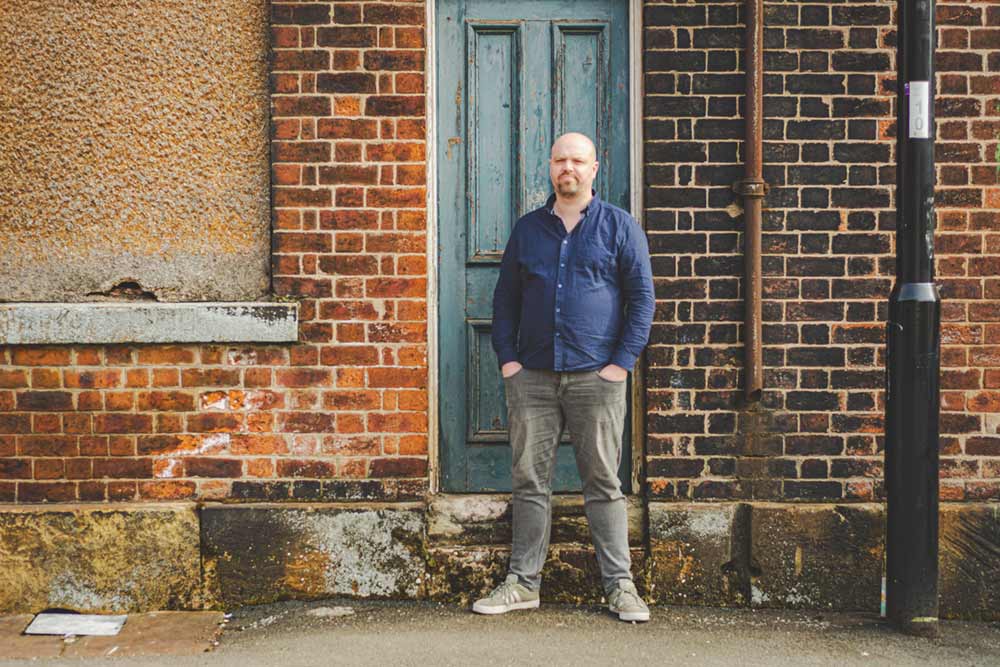
For many business owners, finding more hours in the day can feel like an impossible task. But what if the answer lies in making the systems you already use work harder? We spoke to Mark Rawson, founder of Seven Hills Creative, about how simple automations can cut admin, improve processes and give business owners valuable time back – without the need for huge budgets or daunting technology.
For me, the biggest benefit of better systems and automation is simple: time. Particularly in a smaller business, where owners and their teams are often juggling countless different jobs, even small improvements can make a significant difference.
And you don’t need to know anything about AI, automation or the technology behind it to get started. I’d rather begin by talking about your business and the things that frustrate you.
First of all, let’s start with the jobs you hate doing
When I speak to business owners about automation, I don’t expect them to understand the technology. That’s my job.
Instead, I’ll ask: what are the jobs you come in every morning and dread seeing on your list? What takes up more time than it should? What are you still working on late at night because you couldn’t get to it during the day?

It could be something incredibly simple. An enquiry arrives through your website and somebody manually copies those details into your CRM. We can automate that. Perhaps you regularly research prospective customers before deciding whether they’re a good fit. Technology and, where appropriate, AI can do much of that groundwork before presenting the information for you to check.
We recently created a system where an online enquiry automatically enters a CRM before an AI agent researches the company, assesses its requirements against the services our client provides and produces a report. The client still checks and verifies the output, but something that could have taken two or three hours can now take five or ten minutes.

Small savings become big savings
People sometimes look at an automation and say: “But that only saves me five minutes.”
The important thing is how often you save those five minutes. Save five minutes on five tasks each day and you’ve gained around 25 minutes. Across a month, that can equate to roughly a working day. Multiply that across several members of staff and suddenly those little improvements become significant. That’s the compound effect of automation.
More importantly, think about what you can do with that time. You could concentrate on customers, develop the business, pursue new opportunities or simply get through the working day without taking another pile of admin home.
Technology should create space in your business, not make your life more complicated.
It doesn’t have to be AI
There’s a tendency at the moment to lump automation and AI together. They’re not the same thing.
I’m a big advocate for AI when it’s used properly, but plenty of the systems we create don’t need it at all. Sometimes you simply need two pieces of software to communicate with each other, removing a repetitive manual task in between.
Where AI is useful, it can take on some of the dull, time-consuming work such as research and data analysis. Businesses shouldn’t be looking at the things they enjoy doing and asking how AI can replace them. Start with the things you don’t want to do.
There are legitimate concerns too, particularly around data. You shouldn’t simply put confidential customer or company information into an AI platform without understanding what happens to it. Part of our role is helping businesses understand what technology to use, where AI is appropriate and how to introduce it responsibly.

You don’t need a huge budget
Another misconception is that improving your systems means commissioning an enormous bespoke IT project.
Sometimes a business does want transformational change and we’ll work with them over a number of months. But another company might only need us for a day or two to identify and implement a few straightforward improvements.
Where good existing software does the job, we’ll use it. There’s no point building an expensive bespoke system simply for the sake of it.
Our first step is usually an audit. I’ll come into the business, understand how you currently work and identify where time and money could be saved. It isn’t about judging the way you do things. Often, businesses have been doing something the same way for years because nobody has had the time to stop and ask whether there’s an easier option.
You don’t have to bring the business to a halt either. I can sit alongside your team, watch how you work, ask questions when I need to and then go away and develop recommendations.
Build a business that works without you
Better systems can also make a business more resilient. If every process exists only in the business owner’s head, what happens when they’re unavailable?
Putting proper systems and processes in place means the business can continue to function without relying so heavily on individuals. It can even make the company more attractive if you eventually want to sell it. There’s a big difference between telling a buyer, “This is how I personally run everything” and being able to hand them clear processes they can pick up and follow.
Ultimately, you don’t have to revolutionise your business overnight. In many cases, small, manageable improvements are better.
If we sit down for a coffee and I can find a few changes that save you several hours every month, that’s worthwhile. At the other end of the scale, we might uncover opportunities that fundamentally change the way your business operates.
Either way, the aim is the same: make technology work for you, give you back some time and let you concentrate on the parts of running your business that actually matter.
Contact Seven Hills Creative at sevenhillscreative.co.uk to arrange an exploratory chat about your current systems, processes and opportunities for automation.