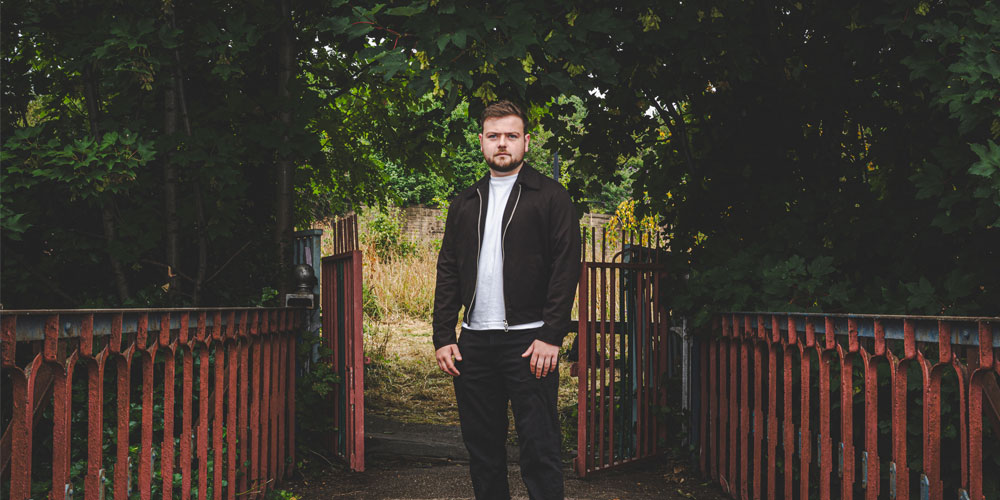
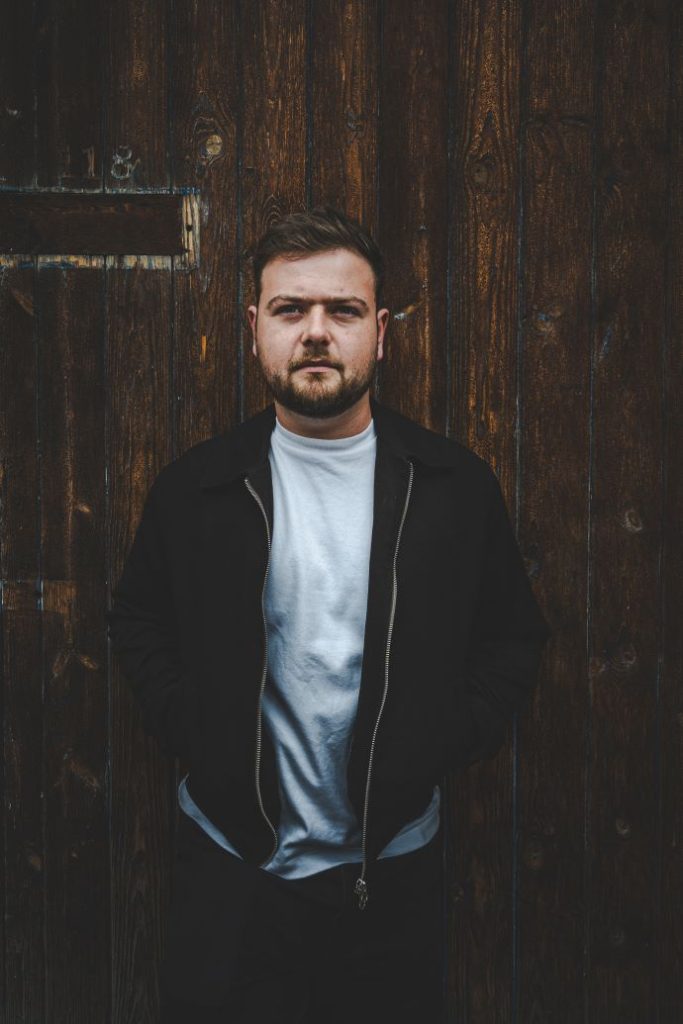
David Savereux was just 21 when he took over Corporation, the storied Sheffield nightclub where he had started out behind the bar. Five years after first joining the Milton Street institution, unLTD hears how the young entrepreneur is busy building a growing hospitality portfolio spanning live music, events, production, drinks and unique venues with plenty of heart.
When David Savereux arrived in Sheffield to study finance and investment banking at Sheffield Hallam University, buying one of the city’s best-known nightclubs was not necessarily part of the plan. It was during the Covid pandemic, for one thing, and the hospitality industry he would eventually enter was largely shut down. When venues began reopening, he took a bar job at Corporation, the Milton Street venue that has been a fixture of Sheffield’s alternative music scene for decades. From there, things moved quickly. He progressed through the business to become a manager before the previous owner decided the time was right to move on. David completed an owner leveraged buyout and, at 21, found himself in charge of a building with 25 years of history where he had started behind the bar less than two years earlier.
“It’s just snowballed from there, really,” David says – and ‘snowballed’ is possibly putting it mildly given the progress since. Today, Corporation sits at the heart of Nivek Group, through which he has been steadily building interests across hospitality, events, production and drinks. His route into the industry is unusual, but his finance background goes some way to explaining the speed of his progression. While David clearly has a deep affection for Corporation – or Corp, as practically everyone in Sheffield knows it – he’s a self-professed numbers person, something that helps bring a level-headed approach to the decisions that come with running the venue. “I think sometimes people in the music industry like music before they like business. Sometimes that can cloud your judgement. Whereas the view from me is more of a business-led, numbers-focused, practical angle.”
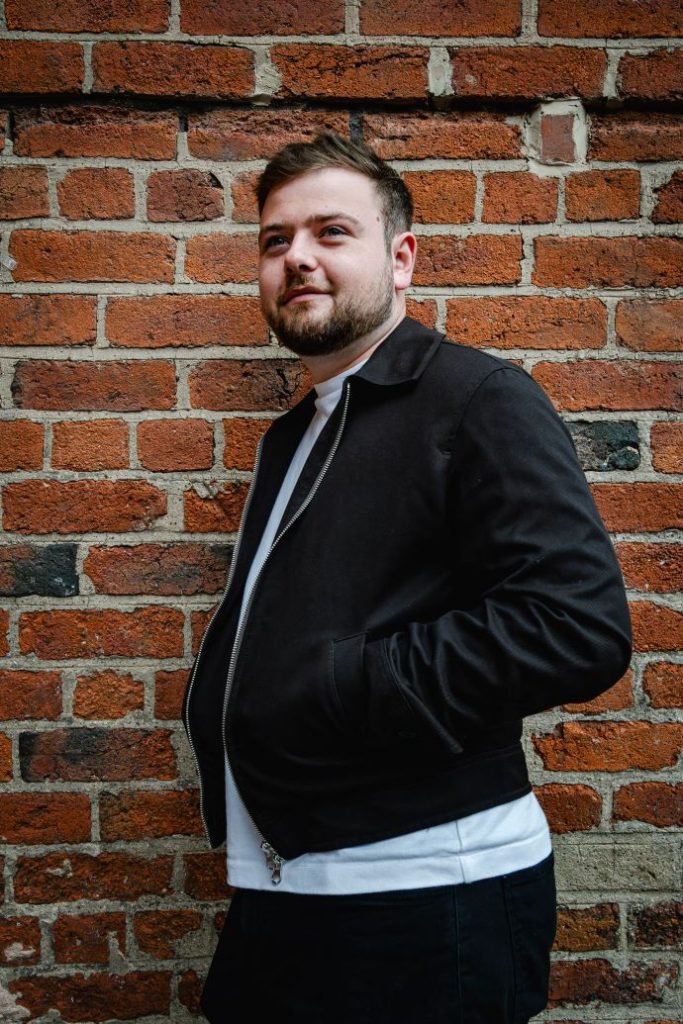
However, that does not mean he underestimates what he inherited. Corporation has a longstanding identity that would be difficult to manufacture from scratch, built through decades of club nights, gigs, sticky floors and those famously potent coloured pints. “There is simply nothing like it in Sheffield, or further afield, and you could not recreate Corp even if you tried,” he says. Taking responsibility for an operation of its size, however, brought a fairly brutal education in the less glamorous side of nightlife. VAT, employer national insurance, licensing and legal requirements all suddenly became steep learning curves, and he credits the previous owner with helping him through the transition by remaining involved for a period after the sale.
It also taught him how little of running a nightclub actually takes place while the doors are open. “We might be open for five hours, but there are so many hours of prep work that will have gone into that event,” he explains, adding that putting on a night as a promoter is one thing; taking responsibility for the physical infrastructure, staff, licensing, production and safety of the venue is quite another. Five years after first joining Corp, his working week has broadened considerably and continues to shift as Nivek Group grows.
In Sheffield, the three most visible parts of the portfolio are Corporation, neighbouring events space Trafalgar Warehouse and The Albion on London Road. David recently took over the latter alongside local beer aficionado and Pints of Sheffield founder Joe Rugg, refurbishing the pub following its time as a Stancill Brewery tap. There was a clear business case for taking it on – “the numbers stacked up” – but he was equally drawn to the potential of the pub and the area it resides in.

“I think London Road could be a lot better than it is from a drinking experience point of view,” he says. “The goal is to bring more people to the area for socialising. It’s not just going to benefit us – I want it to benefit all of the businesses along that road and really improve footfall.”
With its proximity to Bramall Lane, football trade will inevitably form an important part of The Albion’s customer base on Saturdays, but David wants to broaden its appeal throughout the week, using the group’s marketing experience to bring a wider audience to what he describes as a “real hidden gem”. It is also a useful addition to a portfolio deliberately being built around businesses that can support one another.
“The best way to beat downturns in terms of net margins is to vertically integrate,” he explains. “With the pub, for example, the fact that we now buy more beer than we did previously has reduced our beer cost by probably 15% across all of the venues on draught. You get more buying power and more scale.”
The same principle applies elsewhere in Nivek. Corporation’s production operation services the group’s own sites while also hiring equipment and expertise externally, meaning assets needed for its venues can generate revenue when used elsewhere. A larger events portfolio creates a bigger pool of staff and resources, while a national promotions arm means a club night or event does not necessarily have to remain a Sheffield-only proposition and can instead be taken to seven or eight cities.
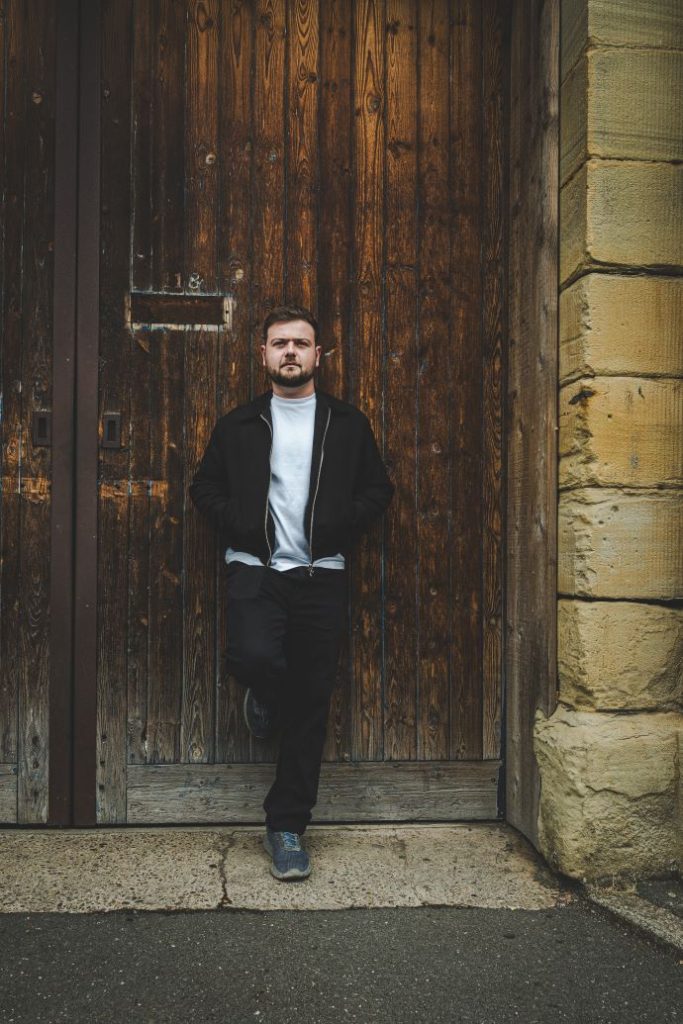
There is a drinks business in the mix too. They have recently become part-owners of Treb, a Newcastle-based canned drink brand developed around the city’s ‘trebles’ bars. The concept has an obvious crossover with Corporation and its own infamous coloured ‘Corp Pints’, leading to limited-edition versions based around its blue, red and green drinks. Treb is currently focused on high-volume venues, with longer-term ambitions to move into retail. For David, it is another example of what he describes as “eating the supply chain up” rather than allowing some of the group’s largest areas of expenditure to sit entirely outside the business.
“If I look at where our biggest expenditure is at the moment, apart from staff, it’s stock. We’re probably spending £800,000 a year on stock. If we then had a wholesaler, that’s £800,000 of business that could go into a business we operate.” Across Nivek, he estimates there are now seven or eight distinct income streams. That diversity matters in an industry where trade can fluctuate sharply through the year, particularly for nightclubs during the quieter summer months. “Having the revenue coming in elsewhere in the group across a year just balances out your profit and loss, especially from a cashflow point of view.”
It is a savvy approach to an industry that has spent the past few years confronting rising costs, closures and repeated questions about the future of the traditional night out. David does not dismiss those challenges, but his experience at Corporation does not quite match the suggestion that younger audiences have simply stopped going clubbing.
“The student standard club night numbers are very strong. We’re seeing growth in that,” he says. “I was at a meeting recently in Liverpool, chatting to people from students’ unions around the country, and they’re also seeing a decent amount of nightlife growth. It’s different to what you see in the media.”
What is changing is the kind of night people want. At Corp, experience-led events have become increasingly important, with individual nights requiring a stronger identity than simply opening the doors, putting a DJ on and selling drinks. “You’re effectively running an event rather than just a club night,” he says. “It’s a different brand, a different spin on things, more of a bespoke offering.”
His longer-term view is that the distinction between nightclub, events venue and general social space will continue to blur. “I think the next version will be a space that is socialising first,” he says. Alcohol will remain part of the offer, but alongside better non-alcoholic choices and programming designed to make a venue useful to a much wider range of people. “Basically, you could run an event there at nine o’clock in the morning, like a coffee morning, and you could also run a rave there at three o’clock in the morning.”
There is a commercial reality behind that thinking. With the turnover now required to sustain a city-centre venue, David argues that operators need to get more use from buildings that might traditionally sit empty for much of the day. His eventual ambition for Corporation is to have the site in use around the clock, whether that means hosting educational sessions during the daytime, live music in the evening or a club night into the early hours.
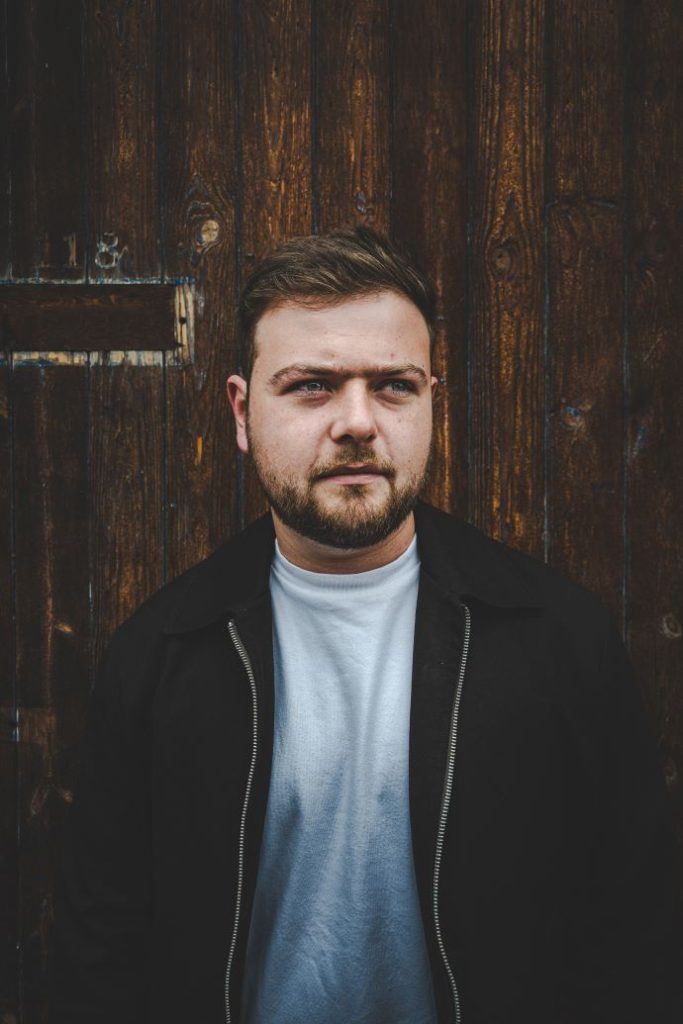
That does not mean turning a much-loved brand into something unrecognisable. He is conscious of the balance involved in modernising a venue with a well-established identity and says it has taken several years to make changes gradually. “You want to update things, keep it fresh, but you don’t want to kill anything off at the same time. There’s a heritage here that we’re proud of.” This summer will see further investment in the building’s infrastructure, including the conversion of one room into another grassroots live music space. The aim is to keep overheads low enough that emerging and touring bands can afford to put on shows while still having access to professional-grade equipment.
“A lot of the problem that you have with touring bands, or for local bands, is that it’s too expensive for them to book a space and put on a show,” he says. “With this new space, artists can make money on it, we can make money on it, and that’s because of the way the space is set up. To be able to add another room where we can get as many bands in as possible and really showcase grassroots music is super important to us.”
That wider ecosystem is something he sees as important to the city’s cultural health. David is involved with the Sheffield Independent Venues Association (SIVA), a network through which grassroots venues share knowledge, equipment and support. Sometimes that collaboration is as simple as another venue stepping in when an amplifier or microphone breaks; at other times it means sharing advice around noise, licensing or the resources available to operators.
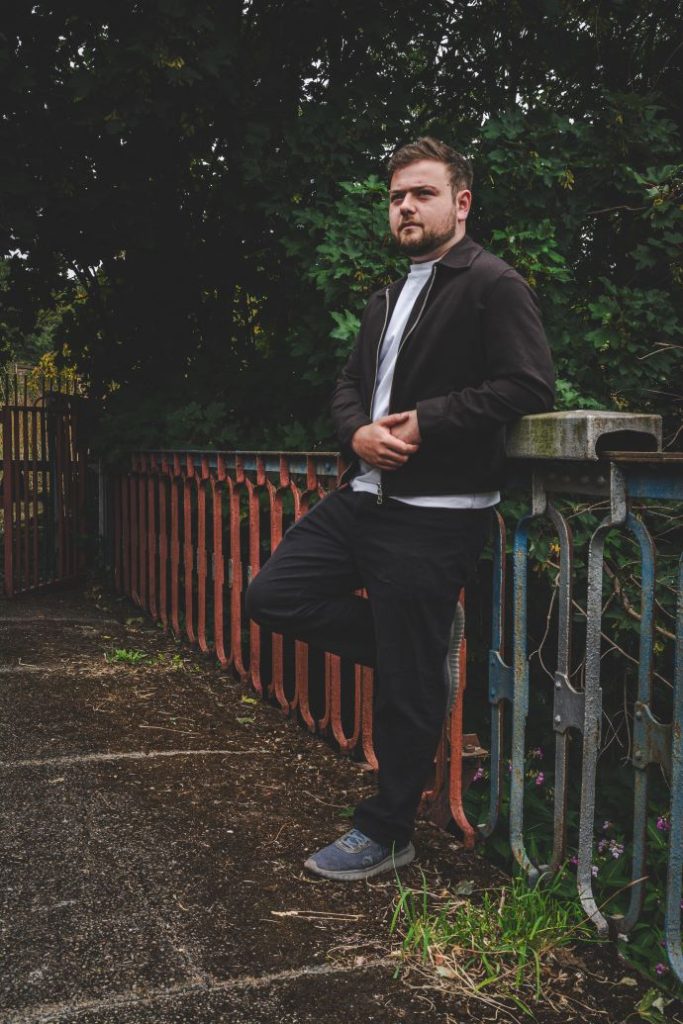
In terms of governmental support, David backs measures such as a VAT reduction for hospitality, particularly for smaller, single-site independents without the buying power of a growing group. Yet there is an interesting distinction between his perspective and that of operators who remember the industry before Covid: he does not have a more prosperous period against which to compare the current market. “I’ve never known anything different because I joined the industry after Covid,” he says. “I know people who were in the game before would have seen how it was. Whereas for me, I’ve never known anything else – it’s always been a bit of a fight.”
That timing coincided with a difficult period in his life. David’s father, Kevin, died in 2022, shortly before the opportunity arose to take over Corporation. He spent several weeks with his mum before returning to Sheffield, where the club’s previous owner asked whether he wanted to buy the business. “I was just kind of looking for something at that point,” he says. “I didn’t mind university, but I always wanted something more. And then I thought, ‘Yeah, let’s do it.’” The name Nivek is Kevin backwards, giving the group that has subsequently grown around Corporation a quiet connection to his father.
What began as “a huge opportunity” now has a much more defined direction. There are targets for further growth and the infrastructure required to support it, although he is wary of acquiring businesses simply to increase the size of the portfolio. “I am young and I am hungry, but there’s no point jumping on things without it adding value. Every venue we add to the portfolio, or any other business we add, it has to be a good deal and right for what we want to achieve.”
There are more of those deals under consideration, including currently undisclosed projects in Sheffield that he believes could have a significant cultural impact on the city. The broader ambition is clear: to use Nivek’s growing scale to increase Sheffield’s hospitality offer while building a business capable of absorbing some of the pressures currently facing the sector.
If there’s one thing our conversation reinforces, it’s that David Savereux is not one to idly let an opportunity pass by. The 24-year-old’s journey from bar staff to business owner in such a short space of time is perhaps best reflected in a piece of advice he is known to give to those working around him: “This job is whatever you make of it. If you want to do more, work towards that and the opportunities will come.”
As such, you can bet it won’t be long before you hear about Nivek Group making its next move, adding another string to its considerable bow and something exciting for the region’s hospitality scene.