

Flexible working is back in the spotlight. While employees have had the right to request flexible working from day one since 2024, the Employment Rights Bill has reignited conversations around family-friendly workplaces and what good employment practices should look like.
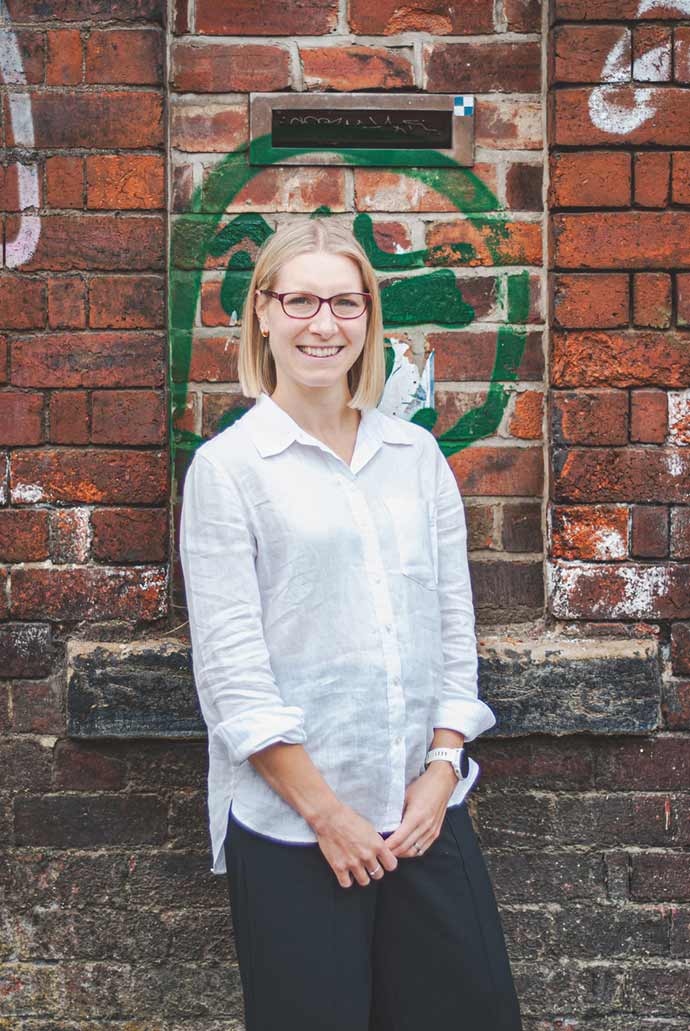
But beyond legislation and policy, what does flexibility really mean in practice? As businesses continue to compete for talent in a challenging market, retaining experienced people has never been more important. We caught up with Anna Hunt, Associate Director at Inc Consulting. Anna is a working mum to one, with another little one on the way, so understands first-hand the realities of balancing a busy career with family life.
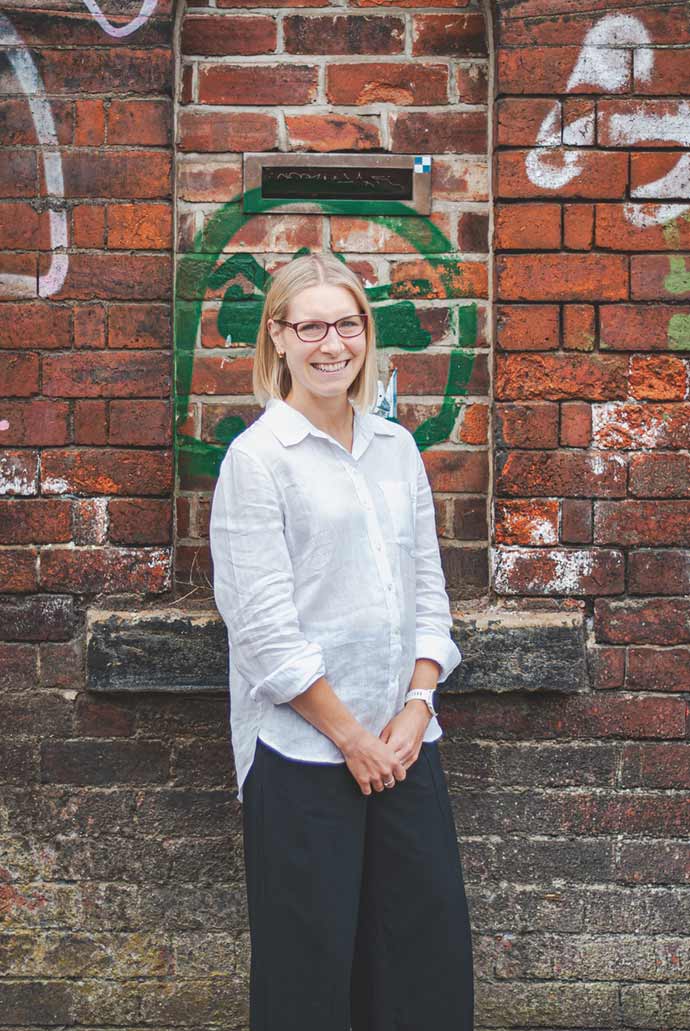
Whilst Anna's experience is through the lens of parenthood, flexibility isn't just a conversation for working parents. Whether it's caring for elderly relatives, attending appointments, supporting loved ones or simply balancing the demands of everyday life, employees increasingly value employers who recognise that people have lives outside of work.
Speaking from both personal experience and the hundreds of conversations she has with candidates and employers, Anna shares why flexibility is about far more than working from home – and why creating a supportive culture doesn't always require a huge HR budget.
As a working parent, has becoming a mum changed the conversations you have with candidates?
Absolutely. Becoming a mother has given me a completely different perspective when speaking with candidates. I have a much greater appreciation of the reality of being a working parent – the challenges, but also the rewards – and I understand that those experiences are different for everyone.
I've always tried to take a consultative, people-first approach, but becoming a parent has reinforced that work is only one part of someone's life. That doesn't mean it comes second. People can still be ambitious and want to progress their careers whilst juggling family life; it's tough, but absolutely doable within the right role, environment and team.
I now ask different questions to understand what really matters to someone, whether that's flexibility, career progression, supportive leadership, location, culture or a combination of things. Ultimately, recruitment is about understanding people and finding opportunities that genuinely fit their lives, not just their CVs.
What does flexible working actually look like in today's workplace?
Flexible working means different things to different people. It's certainly not a one-size-fits-all approach, and I think that's where some employers get it wrong.
For working parents, particularly those returning from maternity or paternity leave, small adjustments can make a huge difference. That could be slightly different start and finish times, working from home on certain days, or flexibility around nursery drop-offs.
But flexibility isn't just about parents. Life looks different for everyone, whether that's caring responsibilities, health appointments or simply finding a better work-life balance. Changes to hours, core hours instead of fixed hours, compressed hours, staggered start and finish times, or flexibility around appointments can all help attract and retain great people.
I don't think flexible working has necessarily become an expectation, but people's expectations have changed and having some degree of flexibility is much more important to many employees.
The best employers don't make assumptions when someone asks for flexibility. They ask, "What does flexible working look like for you?" Once you understand what someone needs and why, you can often find relatively small adjustments that have a significant impact.

Are childcare challenges really the main reason working parents leave?
I don't think childcare is usually the main reason. It can be the catalyst, but in my experience, it's often a combination of feeling unsupported, a lack of communication and policies that are too rigid to accommodate changing circumstances.
I speak to parents who return from maternity or shared parental leave feeling like they're no longer part of the conversation, or that they're expected to slot straight back into exactly the same way of working without any discussion about what they need.
They don't want special treatment. They want to feel listened to, understood and supported.
I’ve worked with many parents who would rather stay with an employer they know and enjoy than move, but they need the business to meet them halfway. Retention often comes down to communication – the businesses that keep their people are the ones that listen before someone reaches breaking point, rather than waiting until they've already decided to leave.
Is flexibility actually about trust and culture rather than policy?
Absolutely. Policies are important and provide consistency, but they don't create a flexible workplace on their own. I've seen businesses with almost identical policies where the employee experience is completely different because of the culture and, in particular, the managers leading the teams.
For me, it comes down to trust. The best managers focus on outcomes rather than presenteeism. They're interested in whether someone is delivering, adding value and doing a good job, rather than exactly where they're sitting or what time they logged on.
When people feel trusted, they're also more likely to be honest when life becomes challenging. They feel comfortable having those conversations early rather than struggling in silence.

What can employers, particularly SMEs, actually do to support their people?
One of the biggest advantages smaller businesses have is that they can often move much quicker than larger organisations. They may have fewer layers of approval and can make sensible changes to support individuals.
From my own experience, I feel incredibly fortunate to have returned to an employer that has always been open, honest and understanding about what it's like to be a working parent. I've been able to return part-time and have flexibility around my hours and where I work. My expectations and targets were also adapted to reflect my new working pattern.
Returning to work was daunting and my confidence had taken a knock. Knowing I wasn't expected to pick up exactly where I'd left off made a huge difference and gave me the confidence to settle back in.
As a business, we've also introduced a nine-day fortnight, giving people the opportunity to work reactively, or not at all, every other Friday depending on workload. It's a simple idea, but having that extra time for life admin, appointments or simply switching off has had a really positive impact on morale and wellbeing.
That's the important thing: supporting your people doesn't always have to cost money. Often, it's about trust, communication and practical adjustments.
If an SME owner could make one change on Monday morning, I'd simply say: start a conversation. Ask your people what they need rather than assuming you already know. Not every business can offer everything, and that's okay. Be honest about what is and isn't possible, and explore alternatives together.
What's the biggest misconception about flexible working you'd like employers to challenge?
I'd challenge two.
The first is that flexible working is only for working parents. Whilst it's incredibly important for parents, most of us will need some form of flexibility at different points in our lives. It could be caring for an elderly relative, dealing with a health issue, supporting a partner or family member, navigating bereavement or simply managing the demands of everyday life.
The second is that flexible working means working less. In my experience, that's rarely the case. It's about working differently and giving people the opportunity to work in a way that allows them to perform at their best.
Ultimately, supporting people isn't about ticking a box or having the best policy on paper. It's about creating a workplace where people genuinely choose to stay because they feel valued, trusted and treated as individuals.
Inclusive Consulting are a Sheffield-based recruitment and talent consultancy connecting talented people with businesses across Yorkshire, the Midlands and beyond. Find out more at incconsulting.co.uk.


