When Natalia Welch first arrived in Sheffield, she didn’t have a business plan to hand. In fact, she didn’t even speak much English. What she did have, though, was a story – and an entrepreneurial spark that would eventually lead her to launch not one, but two food brands now trading internationally.
Natalia is the founder of Pura Panela, the UK’s first dedicated brand bringing Colombian panela – a type of traditional, unrefined cane sugar – to market. It's a business born of deep cultural connection and a flash of insight in the most unexpected of places.
“I moved to the UK in 2010. Back in Colombia, my career was in law – I worked in the criminal courts, and I was a qualified lawyer,” Natalia tells me. “But I couldn’t see myself doing that forever – waking up at 8am every day, going to the same court. I saw people getting old in the job, and I didn’t want that for me.”
That realisation prompted a bold decision to leave. Natalia began exploring options to learn English abroad – considering Canada and the US before discovering an opportunity in South Yorkshire.
“The University of Sheffield had a partnership with an agency in Colombia offering 50% off English tuition for Colombians. And it wasn’t just in a language school – it was through the university itself. That really appealed to me. I thought: I’ll have access to a proper library, maybe sit in on criminal law lectures… So I came – even though I had never heard of Sheffield before in my life!”
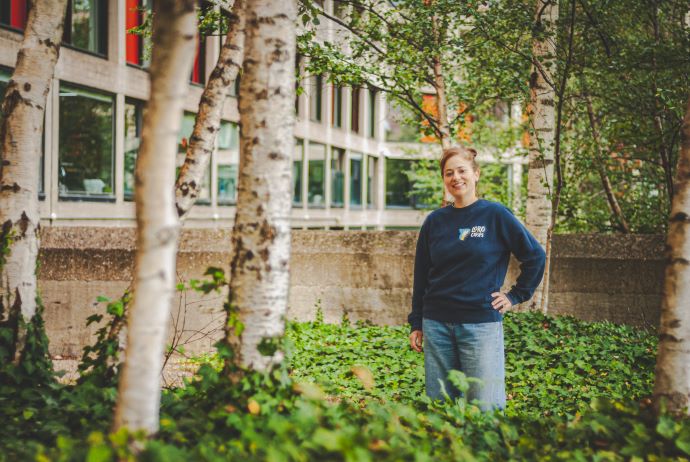
Natalia arrived with just hardly any money in her pocket, one month of pre-booked accommodation and a determination to make things work. She worked as a waitress while studying English and quickly noticed the ambitions of those around her.
“All the other students were going on to do master’s degrees – so I thought, I need to do one too. I didn’t have the money, but I found a scholarship for people with entrepreneurial stories. It offered to pay for half of the tuition fees, and I just told them my story.”
That story included a childhood helping her parents in their clothing shop, selling homemade bakes at school and even running a small ice cream business from home as a child. “People would knock on the door asking for ice cream,” she laughs. “We basically took over the family freezer.”
Natalia won the scholarship and stayed in Sheffield to complete a master’s in international criminology. “It had nothing to do with business,” she admits, “and sometimes I regret that. But there was a lot of support from the university encouraging people to set up their own business – signs everywhere saying be an entrepreneur, start your own company. That stuck with me.”
Then came the moment that changed everything. “One day, I went to the Eden Project in Cornwall. They had a section representing South America – and I saw Colombia. And right there was a display about panela. It made me miss home, and suddenly I saw it differently.”
Panela is a natural, unrefined sugar made by boiling and dehydrating sugar cane juice. It’s a staple in Colombian homes – but until that moment, Natalia had never seen it as a product with commercial potential.
“I had grown up with it – you’d have coffee with panela, bake with it, use it every day. But seeing it presented in this beautiful way, explaining how it’s made by hand and packed with natural minerals… I just thought: this is amazing.”
That was her lightbulb moment. She recalls with a laugh: “I remember saying to my partner’s dad – I’ve had the best business idea! I’m going to bring panela to the UK. And he just looked at me and said, ‘What’s for lunch? I still joke with him about that today.’”
Unperturbed, Natalia took her idea straight to the University of Sheffield’s enterprise team. “They were great – really helped me think about the practicalities. There was a business ideas competition at the time – if you won, you got £1,000. I entered and won.”
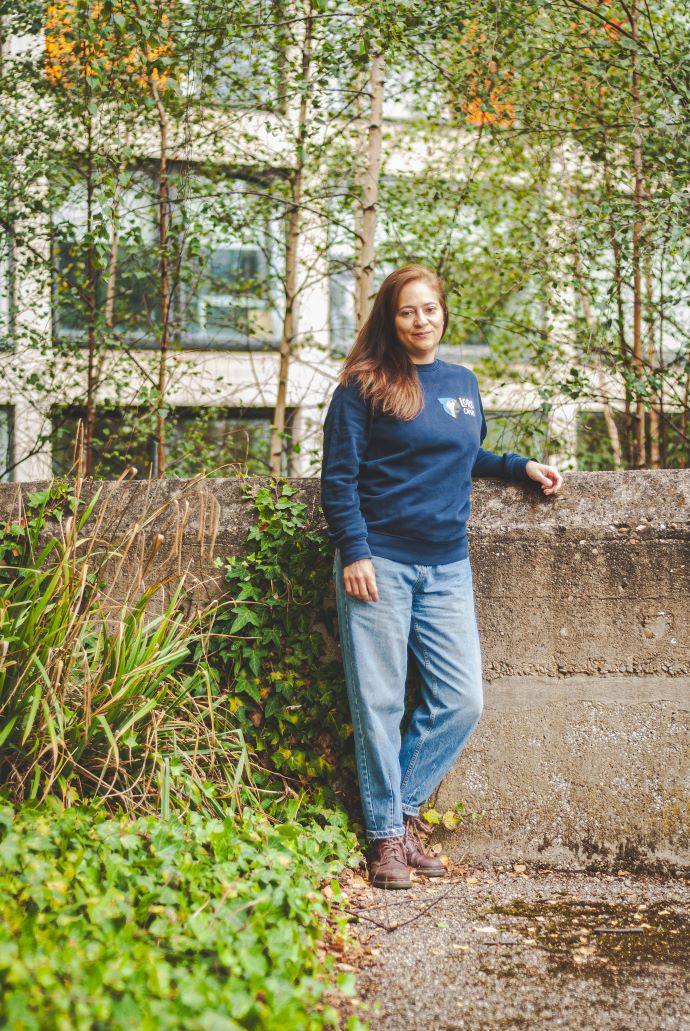
That early validation gave her the confidence to start. “I used the money to buy some panela from a supplier in London, then repackaged it myself. My husband’s cousin helped me design the logo – we’ve kept the hummingbird ever since. My first big customer was the university itself – they ordered 200 samples for an awards event. I now also supply to the Eden Project, which feels fitting as that's where the idea for the business came from.”
From there, Pura Panela grew steadily. Natalia began selling at local markets, baking cakes to show people how to use the product. “People kept asking to buy the cakes! I had to say, 'no – you have to buy the sugar and bake them yourself!'”
She moved from market stalls to wholesale supply – and now imports around 40 tonnes of panela to the UK every year. “I’ve had all sorts of challenges – learning to import, shipping full containers, packaging, logistics – but it’s grown into something really special.”
While sales in Sheffield are growing, most of Natalia’s customers are further afield. “London’s been a big market – a lot of coffee shops, bakers, chefs. The biggest growth recently has been in the alcohol sector – I’ve sold a full container of liquid panela to DropWorks, a rum distillery, and I’ve done collaborations with breweries. There’s a stout coming out in November – it’s called 'PANELA', a Colombian coffee porter made with Thornbridge Brewery.”
So. the big question: what exactly makes panela so special?
“It’s not refined – it’s the juice of the sugar cane, dehydrated. So it keeps the minerals, vitamins, and has no additives or chemicals. Refined sugar is 99.9% sucrose, but panela also has fructose and glucose – so your body absorbs it differently. The energy release is more balanced. It’s amazing for cyclists – it’s what the Colombian champions use!”
But for Natalia, this business was always about more than sugar.
“I studied law because I believed in social justice. I wanted to do something positive for Colombia. And panela brings it all together – it’s a product made by over 350,000 people in Colombia. Supporting that economy, bringing that to the UK – it gives meaning to what I’m doing.”
It’s also about home. Despite arriving in Sheffield with no connections, Natalia felt an immediate affinity with the city. “I always say this and people don’t believe me – but when I got to Sheffield, I felt like I was home. It’s a big city that feels small – calm, friendly, safe. I loved it straight away.”
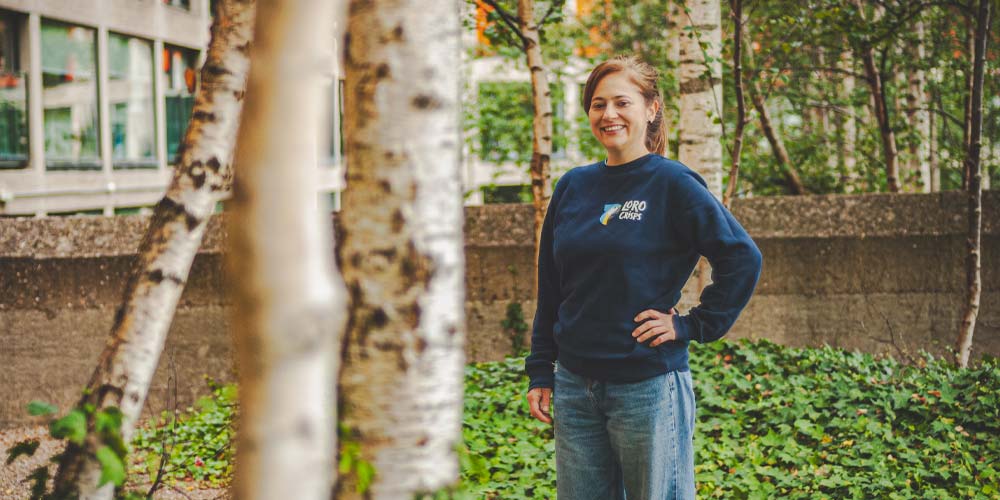
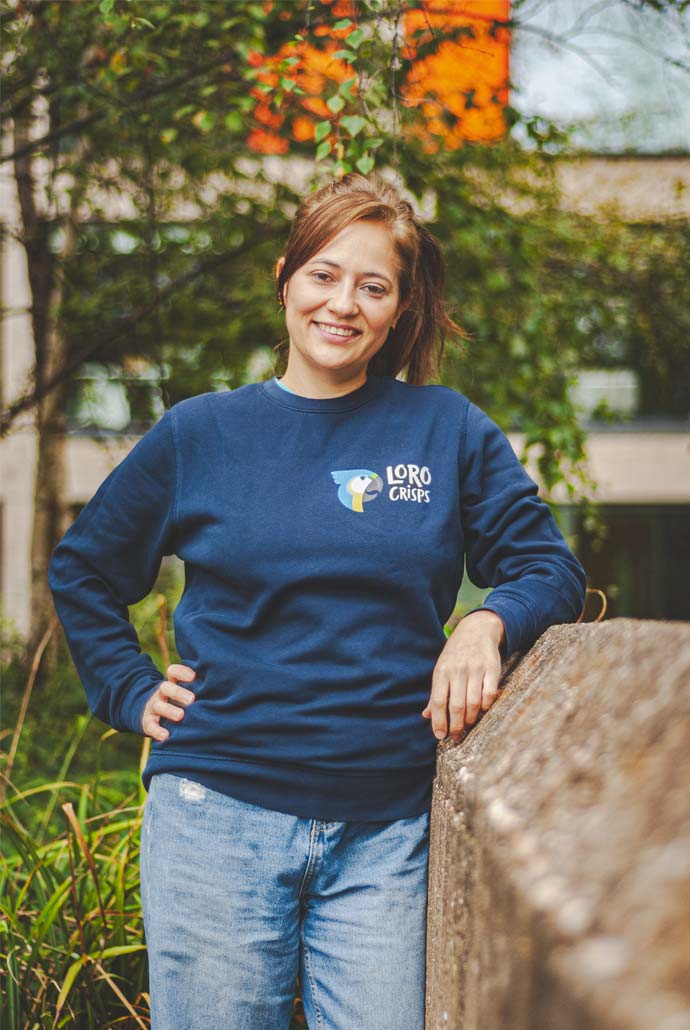
That love has become a life. Natalia is now a British citizen and is raising her son in Sheffield while continuing with fresh business ideas. Alongside Pura Panela, she’s co-founded Loro Crisps – a snack brand inspired by Colombian childhood favourites.
“Daniela [co-founder] and I both grew up loving plantain crisps – we used to bring bags back from Colombia to give to friends. So we thought, why not create our own? We’ve launched plantain crisps, and now we’re working on cassava crisps and possibly a Colombian coffee range too.”
What’s her advice for others looking to bring a piece of their culture to market?
“Validate, validate, validate. Don’t just ask your mum – she’ll always say it’s great. Test it. And if you’ve got something truly authentic, only you can bring that. Nobody can fake it. That authenticity is your power – it’s your story. If you believe in it, people will believe in you.”
For information on other lightbulb moments, head here.